Epic, Sega Bypass IP Norms for Fortnite Sonic Integration

Sega's iconic speedster, Sonic the Hedgehog, is reportedly the centerpiece of Fortnite's Chapter 7 Season 4 Battle Pass, but a critical detail reveals that the character integrated into Epic Games' colossal metaverse platform is not officially 'Sonic' in a traditional licensing sense. This strategic maneuver by Sega and Epic Games highlights an evolving landscape in digital intellectual property management and cross-platform content delivery.
Sega's Ingenious IP Strategy for Fortnite Chapter 7 Season 4
In a significant development for the gaming industry, Sega has reportedly deployed an innovative intellectual property (IP) strategy to feature a character unmistakably embodying Sonic the Hedgehog in Fortnite's Chapter 7 Season 4 Battle Pass. Despite the character's prominent role, sources indicate that this integration is not a conventional direct licensing agreement for the 'Sonic the Hedgehog' brand, but rather a 'clever workaround' that presents a legally distinct entity while leveraging the beloved character's visual identity.
This nuanced approach, while not fully detailed by either Epic Games or Sega, suggests a sophisticated navigation of digital rights management and character licensing in the era of expansive metaverse platforms. The implications extend beyond mere marketing, touching upon the technical execution of game assets, the legal boundaries of character likeness, and potential financial incentives for avoiding standard IP agreements.
The Technical & Legal Nuances of a 'Non-Sonic' Sonic
The core of this 'workaround' lies in the creation of a character asset that is visually and functionally identical to Sonic the Hedgehog, yet legally distinct. This could involve several technical and legal stratagems:
- Distinct Naming & Lore: The character may be introduced with a different name, such as 'Blue Blur Dash' or 'Fastest Hedgehog,' and potentially a unique, albeit parallel, in-game backstory that subtly separates it from the official Sonic canon. This allows Epic Games to feature a highly recognizable character without infringing on the registered trademarks and copyrights associated with 'Sonic the Hedgehog.'
- Asset Design & Metadata: From a technical standpoint, the character model, animations, and sound effects would be meticulously crafted to mirror Sonic's established look and feel. This includes his signature blue fur, red shoes, and spin attack animations. However, the internal metadata and asset tags within Fortnite's engine would likely classify this character under its legally distinct identity, rather than a direct 'Sonic' identifier. This level of detail in asset management is crucial for legal compliance.
- Platform-Specific Considerations: The specific mention of 'Android' in the context of this workaround hints at potential platform-specific licensing complexities. Mobile platforms often have unique content policies, revenue-sharing models, or regional IP restrictions that might make traditional, global licensing agreements more cumbersome or costly. By introducing a legally distinct character, Sega and Epic might be streamlining the approval process or optimizing financial terms for mobile distribution.
This strategy sets a fascinating precedent for how established IP holders might collaborate with metaverse platforms without fully ceding control or incurring the full costs associated with direct brand integration across all territories and platforms.
Implications for Digital IP and Cross-Platform Content
The 'non-Sonic' Sonic in Fortnite marks a significant evolution in digital intellectual property management. For developers and publishers, it opens a new avenue for leveraging beloved characters in new ecosystems without necessarily adhering to the rigid and often costly frameworks of traditional IP licensing. This could lead to:
- Increased Character Crossovers: If successful, this model could encourage more publishers to explore similar 'inspired by' or legally distinct integrations, leading to a richer variety of recognizable characters in games like Fortnite.
- IP Defense & Control: For IP holders like Sega, it allows them to maintain a tighter grip on their core brand while still benefiting from exposure on massive platforms. They can dictate the terms of the 'likeness' without fully licensing the trademarked name, potentially retaining more creative and financial control.
- Legal Precedent: The success and reception of this workaround could influence future legal interpretations of character likeness, parody, and brand recognition in digital spaces. It challenges the traditional understanding of what constitutes an 'official' character integration.
From a cybersecurity perspective, while not a direct breach, this method requires stringent internal controls to ensure that the legally distinct character's assets are not accidentally mislabeled or confused with official IP in a way that could lead to legal challenges. Asset management systems and internal compliance protocols would need to be robust to prevent any unintended IP infringements.
Market Reception and Future Outlook
The success of this strategy will ultimately hinge on player reception. If the character delivers the authentic 'Sonic' experience—speed, iconic moves, and recognizable aesthetics—players are likely to embrace it, regardless of the legal nomenclature. This method allows Epic to deliver highly desired content, while Sega gains immense visibility for its flagship character without the full overhead of a traditional, multi-platform licensing deal.
This 'clever workaround' is a testament to the ongoing innovation in how game companies approach content creation and IP collaboration in the burgeoning metaverse. It underscores a future where the lines between official licensing and clever design may become increasingly blurred, pushing the boundaries of what's possible in cross-game integrations. This development could pave the way for a new era of flexible and dynamic character appearances across various digital universes, all while carefully navigating the intricate web of intellectual property law.

Marcus is a veteran gaming journalist and digital security analyst with over 8 years of experience covering AAA game releases, esports infrastructure, and cybersecurity developments.
Related Stories in Gaming
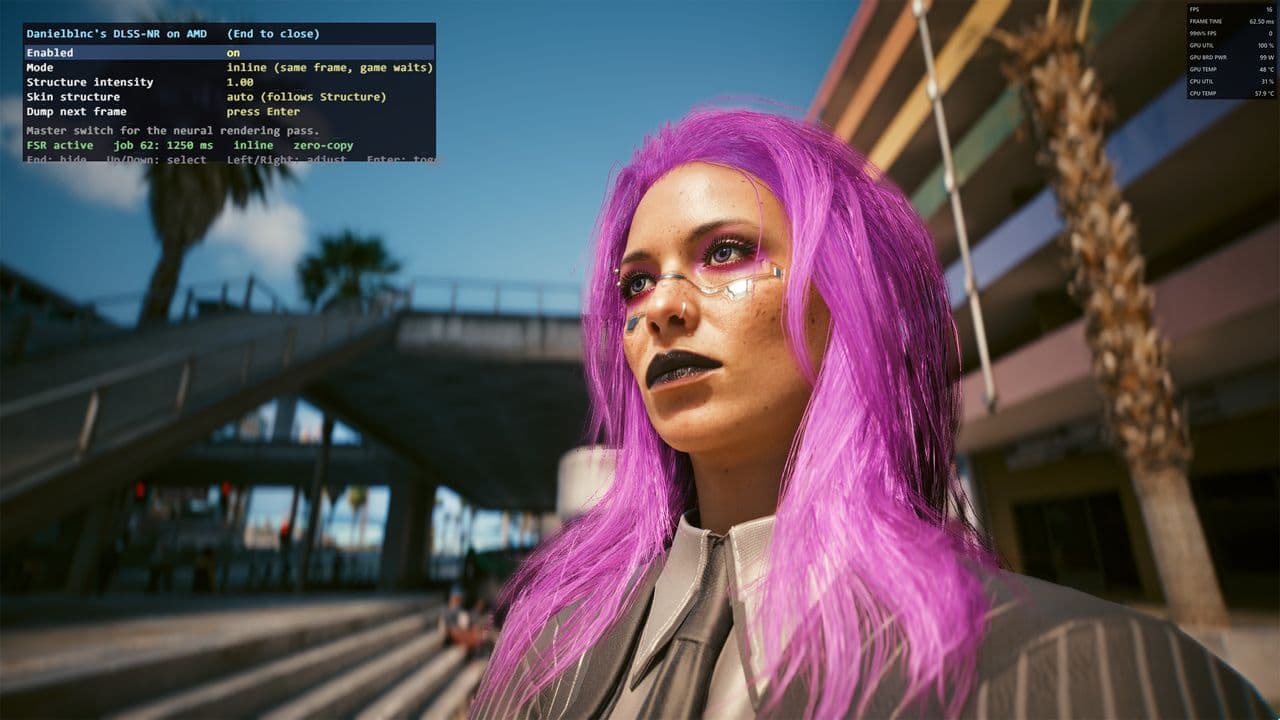
New Tool Injects Nvidia DLSS 5 Support Onto AMD Radeon GPUs
A third-party injection tool now enables Nvidia DLSS 5 Neural Rendering on non-Nvidia graphics hardware, allowing AMD Radeon RX 9070 XT users to run the proprietary pipeline at a severe performance cost.

Xbox Cloud Gaming Enforces Hard Monthly Time Limits This November
Microsoft has confirmed that hard monthly time caps will be applied to Xbox Cloud Gaming starting this November, requiring heavy users to purchase additional streaming hours.
CDPR Reaffirms Human-Led Development for The Witcher 4
CD Projekt Red has clarified its position on generative technology, confirming that The Witcher 4 and subsequent titles will remain predominantly human-led rather than reliant on automated game generation.