France Urges Citizens to Evacuate Mali Amid Rebel Attacks
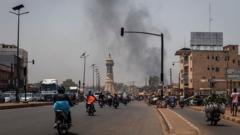
The Escalating Crisis in Mali
In a significant development reflecting the volatile security situation in West Africa's Sahel region, France has issued an urgent advisory for its citizens to depart Mali following a series of rebel attacks. This directive, announced on April 29, 2026, underscores the growing instability in the country, where armed groups have intensified their operations against government forces and foreign interests. The French government's warning comes as part of broader efforts to protect its nationals amid what officials describe as an unpredictable and dangerous environment.
The rebel attacks, primarily attributed to separatist and jihadist factions in northern Mali, have targeted key infrastructure and military outposts in recent weeks. These incidents have not only disrupted daily life but also raised concerns about the safety of expatriates. France, as a former colonial power with historical ties to Mali, maintains a significant presence in the country through diplomatic missions, aid programs, and security operations. The advisory explicitly urges French citizens to utilize commercial flights or other available means to exit the country, emphasizing that no additional evacuation assistance will be provided beyond standard consular services.
UK's Parallel Advisory and Regional Context
Adding to the international response, the United Kingdom has echoed France's concerns, advising its citizens in Mali to leave immediately and warning that those who choose to remain do so at their own risk. This coordinated stance highlights a shared perception among Western nations of the deteriorating conditions in Mali, where a fragile peace process has been undermined by ongoing insurgencies. The UK's Foreign, Commonwealth and Development Office stated that the security situation could deteriorate further without warning, potentially leading to travel disruptions, kidnappings, or violence against foreigners.
Mali's instability stems from a complex web of factors, including ethnic tensions, poverty, and the spillover effects of regional conflicts. Since the 2012 coup and subsequent military interventions, the country has grappled with insurgent groups linked to al-Qaeda and Islamic State affiliates. Despite international efforts, such as the UN's Minusma mission, which concluded in 2023, violence has persisted. In 2026, reports indicate that rebel activities have surged in the north and center of the country, with attacks on convoys and bases becoming more frequent. This has prompted not only travel advisories but also a reevaluation of foreign aid and military support from nations like France and the UK.
Implications for Citizen Safety and International Relations
The advisories from France and the UK signal potential ramifications for both individual safety and broader geopolitical dynamics. For citizens, the risks include direct exposure to violence, as rebel groups have a history of targeting Westerners for ransom or ideological reasons. Travel experts note that the lack of reliable transportation options could strand individuals, exacerbating the dangers. In response, some embassies have activated emergency protocols, including repatriation flights for vulnerable groups such as families with children or those with medical needs.
On the international stage, these events could strain relations between Mali's government and its Western allies. France, in particular, has been a key player in counterterrorism operations in the Sahel, but domestic pressures in France—such as public opinion against prolonged foreign engagements—may lead to a reduction in involvement. Similarly, the UK's advisory reflects its post-Brexit foreign policy priorities, focusing on protecting citizens while navigating alliances in a multipolar world. Analysts suggest that this situation might encourage greater regional cooperation among African nations, potentially drawing in actors like the Economic Community of West African States (ECOWAS) to stabilize Mali without heavy reliance on Western powers.
The broader implications extend to humanitarian efforts, as aid organizations operating in Mali face increased challenges. With foreign citizens evacuating, there could be a temporary dip in expertise and resources, further complicating responses to issues like food insecurity and displacement. Experts warn that without swift action, the conflict could escalate, affecting neighboring countries and contributing to a larger regional crisis in the Sahel.
Looking Ahead
As the situation unfolds, governments and international bodies are monitoring developments closely, with potential for diplomatic negotiations or enhanced security measures. The advisories from France and the UK serve as a stark reminder of the human cost of ongoing conflicts, urging a collective effort to address the root causes of instability in Mali. This event highlights the need for sustained international attention to prevent further escalation and protect civilian lives in the region.