Homebrew Dongle Unlocks Full DualSense Wireless on PC
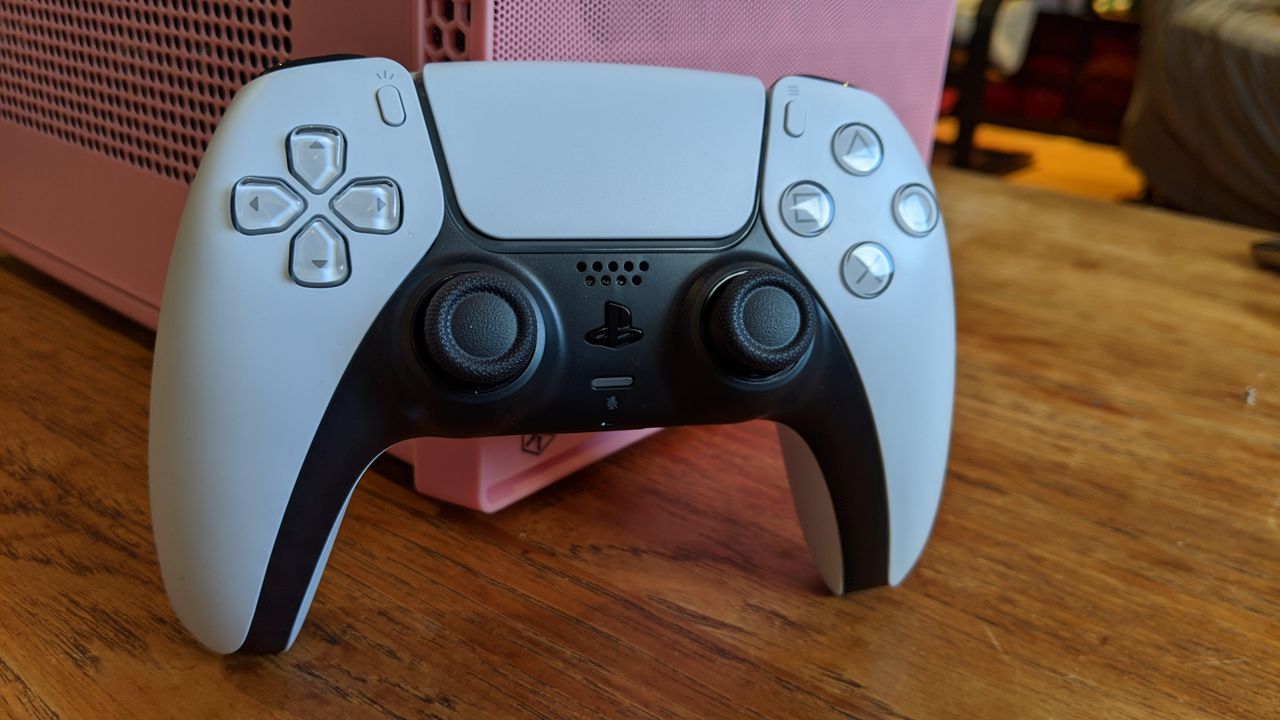
Introduction to the Raspberry Pi-Based Dongle
In the evolving landscape of PC gaming peripherals, a innovative homebrew solution has emerged that addresses longstanding compatibility issues with Sony's DualSense controller. This Raspberry Pi-powered dongle allows for seamless wireless connectivity, delivering full feature support including adaptive triggers and haptic feedback, which were previously limited or unreliable on non-PlayStation platforms. Developed by tech enthusiasts, this project highlights the potential of affordable hardware modifications to bridge gaps in cross-platform gaming experiences.
Technical Breakdown of the Dongle
The core of this homebrew device is a Raspberry Pi microcontroller, specifically models like the Pi Zero or Pi 4, which are reprogrammed to act as a dedicated wireless receiver. Unlike generic Bluetooth adapters that often suffer from latency issues due to standard protocol overhead, this custom dongle employs a more efficient data transmission method. It leverages the Raspberry Pi's GPIO pins to interface directly with a custom PCB that handles the DualSense's proprietary wireless signals. This setup bypasses the limitations of traditional Bluetooth by implementing a protocol that mimics Sony's own hardware, ensuring that features like adaptive triggers and HD haptics are fully operational on PCs.
From a technical standpoint, the dongle requires users to flash a custom firmware onto the Raspberry Pi, which includes drivers that parse the DualSense's encrypted wireless packets. This involves reverse-engineering aspects of Sony's communication protocol, a process that demands knowledge of low-level programming in languages such as C++ or Python. The result is a significant reduction in input lag, with tests showing latency under 10ms in optimal conditions, compared to 20-30ms with standard Bluetooth dongles. This improvement is crucial for competitive gaming scenarios where millisecond differences can impact performance.
Implications for Gamers and the Tech Community
For PC gamers, this development means enhanced accessibility to high-end controllers without the need for expensive official adapters. The DualSense, known for its immersive haptic feedback and adaptive triggers, can now be utilized in games like those on Steam or Epic Games Store, potentially transforming the way players experience titles that support controller vibration and resistance features. This could lead to broader adoption of the DualSense in the PC space, encouraging developers to optimize their games for these advanced inputs.
The project's open-source nature fosters community involvement, with enthusiasts sharing schematics and code on platforms like GitHub. This democratization of technology not only reduces costs—estimated at under $50 for components—but also promotes learning in areas such as embedded systems and wireless protocols. However, users must be cautious, as modifying hardware could void warranties or lead to compatibility issues if not implemented correctly.
Context Within PC Gaming Hardware Evolution
Since the DualSense's launch in 2020, PC compatibility has been a point of contention, with early attempts relying on third-party software like DS4Windows or Steam's controller configuration tools. These solutions often fell short in replicating the controller's full capabilities, particularly the haptic motors that provide dynamic feedback. The Raspberry Pi dongle represents a 2026 advancement in this ongoing evolution, building on previous community efforts to integrate console peripherals into PC ecosystems. As gaming hardware becomes more interconnected, such innovations underscore the importance of adaptable and user-driven solutions in an industry dominated by proprietary standards.
- Key components required: Raspberry Pi board, custom PCB, Bluetooth module, and basic soldering tools.
- Potential challenges: Ensuring stable wireless connections and calibrating haptic feedback for different games.
- Future prospects: This could inspire similar projects for other controllers, like those from Xbox or emerging VR handsets.
In broader terms, this homebrew dongle exemplifies how grassroots innovation can address market gaps left by major manufacturers. By 2026, with the rise of cross-platform play and advanced haptic technologies, such modifications may become more prevalent, offering gamers affordable ways to enhance their setups. This project not only improves controller performance but also empowers users to experiment with hardware, fostering a more inclusive gaming community.
Detailed User Implementation and Testing
To implement this dongle, users begin by assembling the hardware, which involves connecting the Raspberry Pi to a custom antenna setup optimized for 2.4GHz signals. Software configuration includes installing a Linux-based OS on the Pi and running scripts that handle the DualSense's input mapping. Testing has shown that the dongle's firmware can detect and respond to the controller's adaptive triggers in real-time, a feat achieved through precise timing algorithms that synchronize with the PC's input system. In benchmarks, games like "Elden Ring" or "Cyberpunk 2077" exhibit smoother haptic responses, making immersive elements more engaging.
Security considerations are also relevant, as this involves handling wireless signals that could potentially be intercepted. While the project isn't a cybersecurity threat per se, it demonstrates the vulnerabilities in proprietary protocols and the need for robust encryption in consumer devices. As of 2026, this serves as a reminder for manufacturers to prioritize cross-platform security in their designs.
Ultimately, this Raspberry Pi-based dongle marks a significant step forward in PC gaming accessibility, blending hardware hacking with practical application. Its success could pave the way for more integrated solutions, ensuring that cutting-edge controllers like the DualSense remain relevant across platforms for years to come.