Iran, Gulf Arab States Set for Talks Amid Widening Mideast Conflict
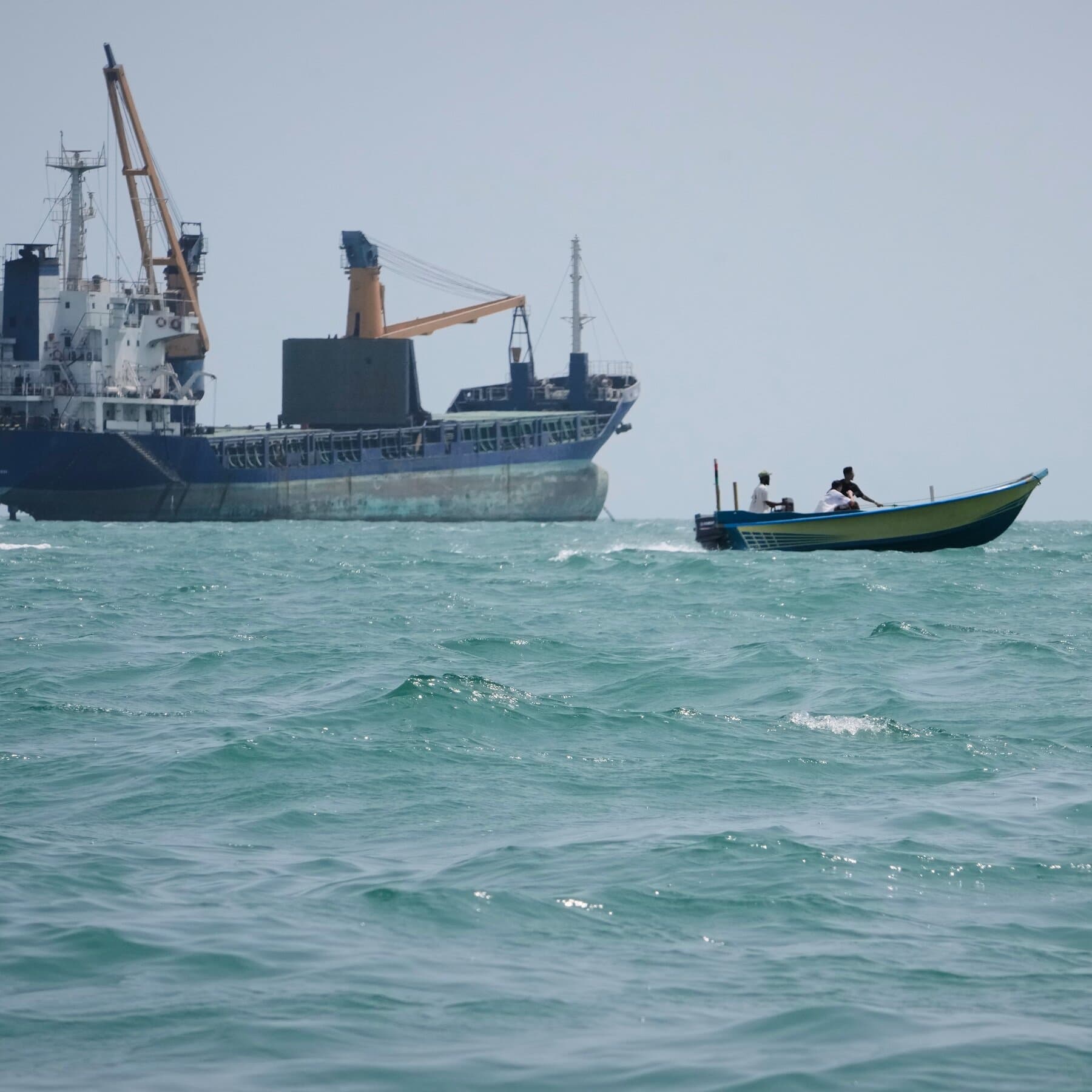
Iran is slated to engage in direct discussions with several Gulf Arab states tomorrow, September 14, 2026, as officials confirm the critical diplomatic effort unfolds amidst a significantly widening conflict across the Middle East. These imminent talks come at a pivotal moment, with diplomacy aimed at resolving the ongoing war with the United States having reached an impasse, and Iranian-allied forces making notable territorial gains in Yemen.
Regional Diplomacy Initiated Amid Deepening Crisis
In a significant development for regional stability, Iran and a consortium of Gulf Arab states are scheduled to commence high-level talks tomorrow, September 14, 2026. This diplomatic overture, confirmed by officials, marks a critical juncture as the broader Middle East conflict continues to escalate. The planned discussions emerge against a backdrop of stalled negotiations between Tehran and Washington regarding the protracted war, further complicated by recent advances made by Iranian-allied forces within Yemen.
The decision to convene these talks underscores a palpable urgency among regional actors to address the spiraling security environment. For several months, diplomatic channels aimed at de-escalating tensions and ultimately ending the conflict involving the United States have yielded little progress, leading to a precarious stalemate that has amplified regional anxieties. Simultaneously, the strategic landscape has been reshaped by the sustained momentum of Iranian-backed groups in Yemen, signaling a shift in the ongoing proxy contests that define much of the wider Mideast confrontation.
Context of Stalled U.S. Diplomacy and Yemeni Advances
The immediate impetus for these intra-regional talks can be largely attributed to two critical factors: the enduring deadlock in U.S.-Iran peace efforts and the escalating conflict in Yemen. Diplomacy to end the war with the United States has been characterized by a series of starts and stops, with fundamental disagreements over security guarantees, sanctions relief, and regional influence proving insurmountable. This persistent stalemate has left a vacuum, compelling regional powers to seek alternative avenues for managing the repercussions of the broader conflict.
Concurrently, the situation in Yemen has taken a decisive turn, with Iranian-allied forces reportedly consolidating their control over key strategic areas. These advances not only represent a significant military victory for Tehran's proxies but also pose a direct challenge to the security interests of several Gulf Arab nations, particularly Saudi Arabia and the United Arab Emirates. The expansion of Iranian influence on the Arabian Peninsula's southern flank has undoubtedly heightened concerns in Riyadh and Abu Dhabi, potentially driving their willingness to engage directly with Tehran, despite long-standing animosities.
Motivations for Engagement: A Calculated Risk for All Parties
The upcoming talks represent a calculated risk for both Iran and the Gulf Arab states involved. For Iran, engagement with its regional neighbors could serve multiple purposes:
- Projecting Regional Leadership: By initiating or agreeing to these talks, Iran can assert its role as a central player in regional security discussions, positioning itself as a party capable of direct engagement, even amidst international isolation from the U.S.
- De-escalation of Peripheral Conflicts: While the primary conflict with the U.S. remains unresolved, Tehran may seek to de-escalate tensions in other theaters, such as Yemen or Iraq, to reduce the overall burden of its regional commitments.
- Economic Considerations: Improved regional relations, even if limited, could potentially open pathways for trade or reduce the cost of maintaining its current regional posture.
For the Gulf Arab states, particularly those most directly affected by the widening conflict and the situation in Yemen, the motivations are equally compelling:
- Managing Regional Instability: Direct talks offer a channel to address immediate security threats, such as cross-border attacks or proxy conflicts, that have destabilized their borders and economies.
- Independent Diplomatic Track: With U.S. diplomacy stalled, Gulf states may be seeking to forge their own path to de-escalation, rather than waiting for a breakthrough in Washington-Tehran relations.
- Protecting Strategic Interests: The advances in Yemen underscore the need for Gulf states to proactively engage with Iran to protect their critical infrastructure and maritime routes.
Implications for the Broader Middle East and International Relations
The outcome of these talks, regardless of their immediate success, will have significant implications for the broader Middle East. A constructive dialogue could potentially pave the way for a reduction in regional proxy conflicts, offering a glimmer of hope for areas like Yemen, Iraq, and Syria that have borne the brunt of these wider geopolitical struggles. Conversely, a failure to make progress could further entrench regional divisions and exacerbate the existing conflicts, potentially leading to an even more volatile situation.
Internationally, these talks will be closely watched by global powers, including the United States, Russia, and China. For Washington, the engagement between Iran and Gulf Arab states could be viewed with a mix of apprehension and cautious optimism. While it might signal a desire for regional de-escalation that aligns with broader stability goals, it also highlights the diminishing influence of U.S.-led diplomatic efforts and the increasing willingness of regional actors to pursue independent foreign policy objectives. The discussions could also influence global energy markets and maritime security, given the strategic importance of the Persian Gulf region.
The impending discussions between Iran and Gulf Arab states represent a critical, albeit fragile, attempt to navigate the complex and increasingly dangerous landscape of the Middle East. With the war with the United States at an impasse and Iranian-allied forces consolidating gains in Yemen, the stakes for regional stability have rarely been higher, making tomorrow’s negotiations a pivotal moment for all parties involved.

Elena is an investigative journalist specializing in real-life crime dossiers, forensic mysteries, and high-profile global investigations with a focus on narrative truth.
Related Stories in World News

Buganda's Enduring Legacy: A Kingdom Within Uganda's Republic
Uganda's Buganda Kingdom continues to stand as a unique entity, maintaining its deep-rooted traditions and established institutions despite centuries of external pressures and internal changes. This resilience highlights its distinct position as a powerful cultural and historical force operating within the framework of a modern republic.
Houthi Projectile Strikes Jazan, Wounding Two and Damaging Mosque
A projectile launched by Yemen's Houthi rebels struck Saudi Arabia's southern Jazan region on Sunday, September 13, 2026, injuring two civilians and causing damage to a mosque, according to Saudi authorities. The Houthis, however, claimed responsibility for an attack they stated targeted a Saudi military base in Sharurah, a town located further east.

First Naval Battle Between Surface Drones Reported in Black Sea
The first reported naval battle between two unmanned surface vessels has taken place in the Black Sea, marking a new development in the use of maritime drones in warfare.