Israeli Strikes Kill 11 in Lebanon, Jeopardize Ceasefire
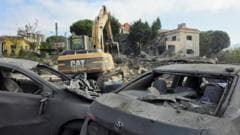
Israeli airstrikes targeting a southern Lebanese village have resulted in the deaths of 11 individuals, according to reports from Lebanese state media, an action that Beirut asserts places a recently brokered US ceasefire in severe jeopardy.
Israeli Strikes Threaten Fragile US-Brokered Ceasefire
Eleven people have been killed in Israeli strikes on a southern Lebanese village, Lebanese state media reported on Monday, September 7, 2026. These renewed attacks have drawn sharp condemnation from Beirut, which warns that the military actions critically undermine a United States-brokered ceasefire agreement intended to bring an end to the prolonged conflict between Israel and the armed group Hezbollah.
The incident marks a significant escalation and a severe test for the fragile calm that the ceasefire had sought to establish. While specific details regarding the targets or the immediate trigger for the strikes remain officially unconfirmed by independent sources, the Lebanese government's immediate reaction underscores the gravity of the situation and its potential to unravel months of painstaking diplomatic efforts.
Lebanese authorities have unequivocally stated that these latest strikes constitute a direct threat to the stability achieved under the US-brokered agreement. The ceasefire, which had been painstakingly negotiated, aimed to de-escalate tensions and prevent further bloodshed in a region long plagued by intermittent but often deadly clashes. For Lebanon, the loss of life and the violation of its sovereignty are not merely isolated incidents but direct challenges to the framework of peace that was painstakingly constructed.
The US-brokered ceasefire was designed to halt the ongoing hostilities between Israel and Hezbollah, an armed group with significant political and military influence in Lebanon. The agreement represented a crucial diplomatic triumph, providing a much-needed respite from a conflict that has exacted a heavy toll on civilian populations and infrastructure on both sides of the border. Its primary objective was to ensure a sustained cessation of hostilities, enabling stability and allowing for potential long-term conflict resolution.
Hezbollah, identified by the summary as the armed group at the heart of the conflict with Israel, has historically maintained a strong presence in southern Lebanon. The group's activities and Israel's responses have frequently led to cross-border confrontations, making the region one of the most volatile in the Middle East. The ceasefire was intended to manage and ultimately contain these dynamics, providing a pathway towards a more enduring peace.
The current Israeli strikes, as reported by Lebanese state media, directly challenge the efficacy and durability of this diplomatic achievement. For the United States, which invested considerable political capital in brokering the ceasefire, the incident presents an immediate and pressing foreign policy dilemma. The integrity of its mediation efforts and its ability to maintain regional stability now face a critical examination.
The immediate implications of these strikes are profound. There is an elevated risk of retaliatory action, which could plunge the region back into a cycle of violence that the ceasefire was specifically designed to prevent. The international community, and particularly the US, will likely face renewed pressure to intervene diplomatically to de-escalate the situation and salvage the ceasefire agreement before it completely collapses.
The situation underscores the inherent fragility of peace agreements in deeply entrenched conflicts. While the ceasefire provided a temporary cessation of overt hostilities, underlying tensions and strategic imperatives continue to pose significant challenges. The coming days will be crucial in determining whether the ceasefire can withstand this latest severe blow or if the region is destined to return to broader conflict. The international community watches closely as the fate of the US-brokered ceasefire hangs in the balance, following the tragic loss of life in southern Lebanon.

Elena is an investigative journalist specializing in real-life crime dossiers, forensic mysteries, and high-profile global investigations with a focus on narrative truth.
Related Stories in World News

AfD Leads Saxony-Anhalt Vote but Falls Short of Majority
Germany’s far-right Alternative for Germany is projected to finish first in Saxony-Anhalt, but its lack of a majority leaves it unable to govern the eastern state without support from other parties.

Dozens Feared Trapped After Delhi Hostel Collapse
A five-storey hostel in Delhi has reportedly collapsed, with as many as 50 individuals believed to have been inside the building at the time of the incident, sparking a massive rescue operation on Sunday, September 6, 2026.

Hungary Launches Probe to Recover Billions From Old Regime
Hungary's new prime minister has pledged to recover billions allegedly stolen or diverted under the previous administration as a new super authority prepares to begin its work.