Melie's Double Strike Sinks Ireland in Tense Thriller
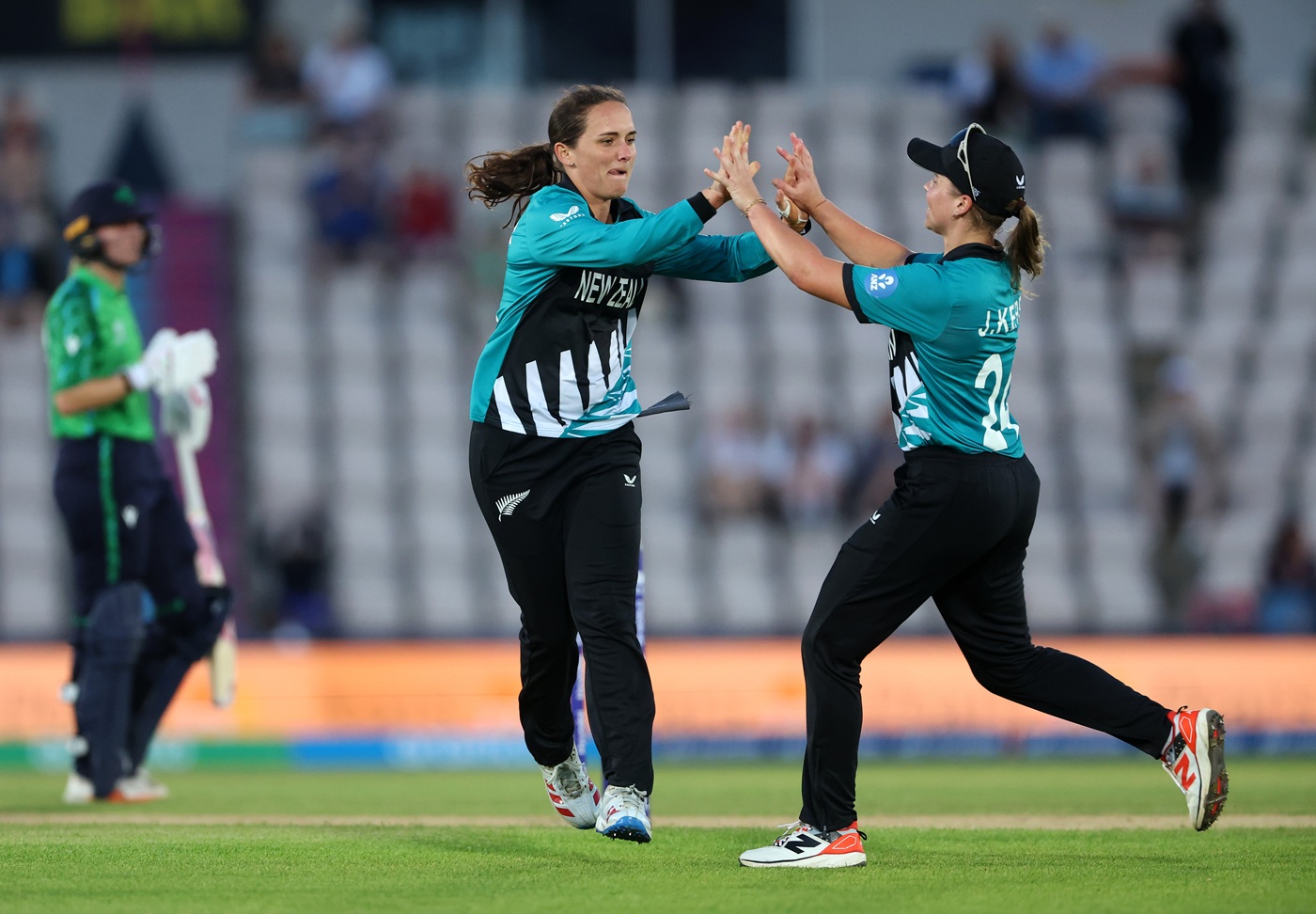
Ireland's Hopes Dashed by Late Collapse
In a contest that swung wildly between moments of brilliance and nail-biting tension, New Zealand emerged victorious against Ireland by a slender margin of four runs in a captivating Twenty20 International. The match, played out under the floodlights, saw Ireland's formidable opening partnership of Lewis and Prendergast lay a solid foundation with impressive half-centuries, only for their efforts to be undone by a dramatic late collapse orchestrated primarily by the astute bowling of New Zealand's spinner, Melie.
Chasing a target of 141, Ireland appeared to be cruising towards a comfortable win, having reached a commanding position of 116 for 1 at one stage. The synergy between Lewis and Prendergast was a masterclass in T20 batting, blending aggressive strokeplay with intelligent rotation of strike. Lewis, known for his power-hitting, unleashed a series of boundaries that thrilled the capacity crowd, while Prendergast played the perfect foil, finding gaps with precision and keeping the scoreboard ticking at a healthy rate. Their partnership had effectively negated New Zealand's earlier efforts with the bat, making the chase seem like a mere formality.
New Zealand's Resilient Total
Earlier in the day, New Zealand, after winning the toss and opting to bat first, had posted a competitive total of 140 for 7 from their allotted 20 overs. Their innings was anchored by a sensible knock from Finn Allen, who scored a brisk 38 off 27 balls, and a crucial middle-order contribution from Rachin Ravindra, who added 45 from 35 deliveries. Despite losing wickets at regular intervals, including some tight bowling from Ireland's seamers in the powerplay, New Zealand managed to accelerate in the death overs, pushing their total beyond what initially seemed possible on a slightly sluggish pitch. Key cameos from the likes of Glenn Phillips (18 off 10) ensured they had a defendable score, though 141 was certainly within Ireland's grasp.
The Lewis-Prendergast Blitz
Ireland's response began with an immediate statement of intent. Lewis and Prendergast launched a blistering attack on the New Zealand new-ball bowlers, quickly dispelling any notions of a difficult chase. Lewis brought up his fifty with a towering six over long-on, showcasing his immense hitting prowess, while Prendergast reached his own half-century shortly after, demonstrating a wider range of shots and an uncanny ability to find the boundary. Their partnership blossomed to over 100 runs, with the required run rate steadily declining. At the fall of Prendergast's wicket, caught at deep mid-wicket attempting another expansive shot, Ireland needed just 25 runs from 22 balls, with nine wickets in hand. The atmosphere in the stadium was electric, with Irish fans already sensing victory.
Melie's Game-Changing Over
The turning point, however, arrived with the introduction of Melie, New Zealand's wily spinner, into the attack for a crucial over in the 17th. With Ireland at 116 for 1 and Lewis still at the crease, seemingly unperturbed, the pressure was immense. Melie, however, thrives in such situations. His first delivery of the over saw a new batter, Harry Tector, attempt to sweep, only to misjudge the turn and be trapped plumb in front for a duck. The umpire's finger went up, sending a ripple of anxiety through the Irish dugout. Two balls later, the unthinkable happened. Melie, maintaining his line and length, deceived the well-set Lewis with a subtly flighted delivery that dipped just enough to find the edge, resulting in a sharp catch behind the stumps. Lewis departed for a magnificent 58, and suddenly, Ireland had lost two crucial wickets in the space of three deliveries, with the score now precariously poised at 116 for 3.
The Dramatic Climax
Melie's double strike completely altered the complexion of the game. What was once a comfortable stroll became a frantic scramble. The incoming batters struggled to cope with the mounting pressure and the sudden shift in momentum. New Zealand's fielders, buoyed by Melie's heroics, became sharper, and their bowlers found renewed rhythm. The required run rate began to creep up, and the boundaries, which had flowed so freely earlier, became elusive. Ireland's middle order, unable to replicate the calm authority of Lewis and Prendergast, succumbed to the pressure, losing three more wickets in quick succession to tight bowling from the likes of Lockie Ferguson and Trent Boult.
Heading into the final over, Ireland needed 10 runs for victory with two wickets in hand. The tension was palpable. New Zealand's captain entrusted the final six deliveries to a seasoned death bowler, who delivered a masterclass in nerve and precision. Despite a couple of desperate swings, Ireland could only manage five runs, ultimately falling short by four runs. The despair on the faces of the Irish players was evident, a stark contrast to the jubilant celebrations of the New Zealand team, who had pulled off a remarkable comeback. This thrilling encounter serves as a testament to the unpredictable nature of T20 cricket, where a single over can turn the tide and transform a seemingly hopeless situation into a memorable victory.
This article is based on factual reporting from:
www.cricinfo.com — Original Report ↗