Persona 4 Revival, Persona 6 Confirmed for Nintendo Switch 2
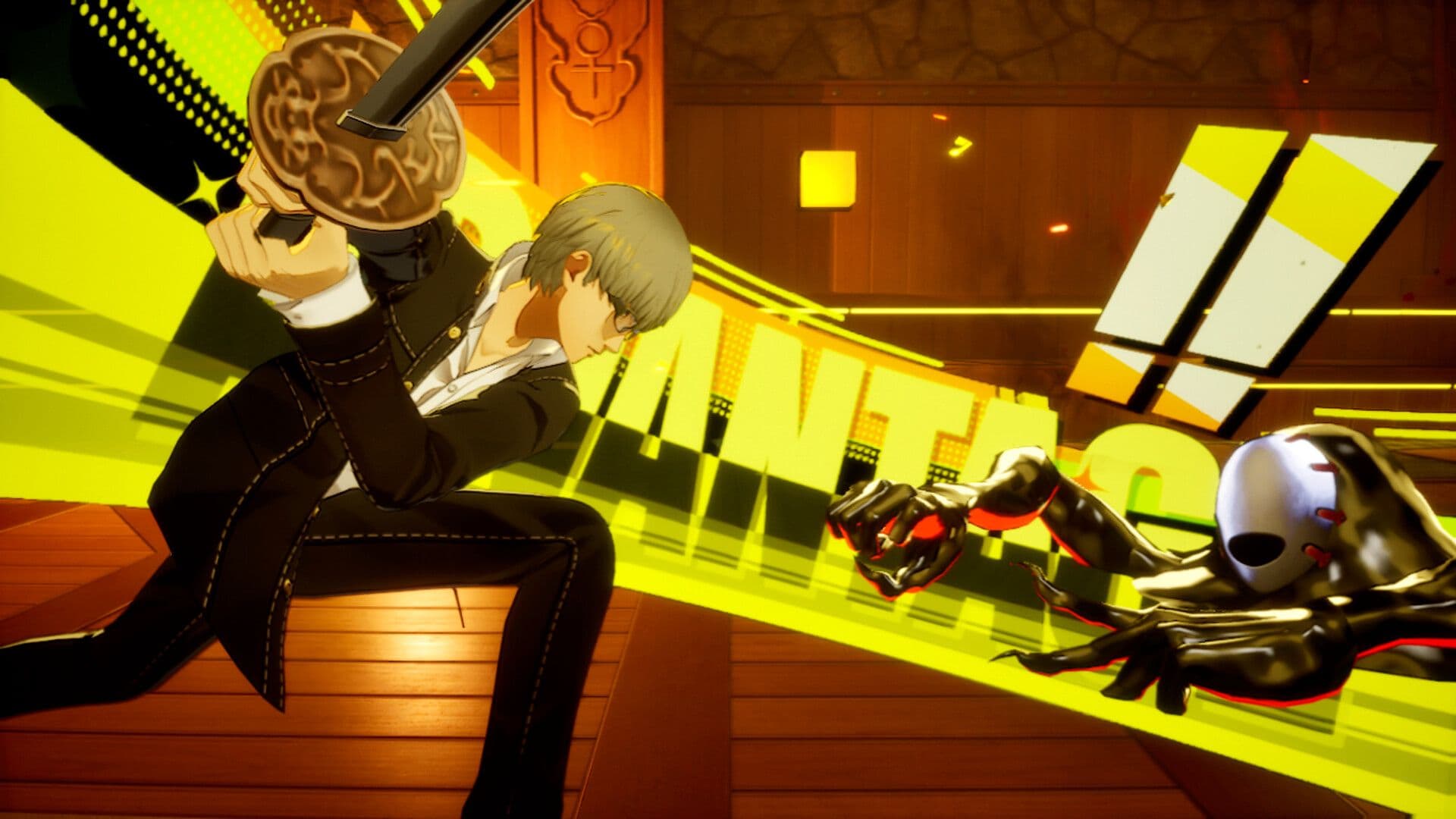
Nintendo officially confirmed today the development and upcoming release of Persona 4 Revival and Persona 6 for its next-generation console, the Nintendo Switch 2, during a highly anticipated Nintendo Direct presentation.
Nintendo Secures Major Atlus Titles for Switch 2 Launch Window
In a significant announcement for the gaming industry, Nintendo today unveiled that Atlus's highly anticipated Persona 6 and a reimagined Persona 4 Revival are officially slated for release on the Nintendo Switch 2. The confirmation came during a Nintendo Direct broadcast, signaling a strong commitment from third-party developers to Nintendo's next-generation hardware and positioning the Switch 2 as a formidable platform for critically acclaimed JRPG franchises.
The decision to bring both a flagship sequel and a 'revived' classic to the Switch 2 speaks volumes about Nintendo's strategy to attract a broad and dedicated player base early in the console's lifecycle. For Atlus and its parent company SEGA, this move represents a continued expansion of the Persona brand beyond its historical PlayStation exclusivity, leveraging the extensive reach and unique capabilities of the Switch 2.
Technical Implications: Leveraging Switch 2 Hardware for Next-Gen Persona
The announcement raises critical questions regarding the technical specifications and development approaches for these titles. As a next-generation console, the Nintendo Switch 2 is expected to feature substantially upgraded processing power, memory bandwidth, and graphical capabilities compared to its predecessor. For Persona 6, a title built from the ground up for modern hardware, this opens the door for significant advancements in visual fidelity, environmental complexity, and gameplay performance.
- Graphical Enhancements: Expect Persona 6 to push the boundaries of the series' distinctive art style with higher resolution textures, more detailed character models, advanced lighting techniques (potentially including ray tracing, depending on the Switch 2's GPU architecture), and more dynamic particle effects. The vibrant, stylized worlds of Persona could be rendered with unprecedented clarity and depth.
- Performance & Load Times: A more powerful CPU and faster storage solutions, likely an NVMe SSD, will dramatically reduce loading screens—a common pain point in large-scale RPGs. Players can anticipate smoother frame rates, even in visually dense areas or during complex combat sequences, contributing to a more fluid and immersive experience.
- Engine Utilization: Atlus's choice of game engine for Persona 6 will be crucial. While they have historically utilized a heavily customized proprietary engine, the demands of next-gen development might see them adopt or adapt a more widely used engine like Unreal Engine 5. Such a move could facilitate the integration of advanced rendering features like Lumen for global illumination and Nanite for virtualized geometry, allowing for incredibly detailed environments without prohibitive performance costs.
Persona 4 Revival: A Technical Deep Dive into Modernization
The 'Persona 4 Revival' is particularly intriguing. Unlike a mere remaster, a 'revival' often implies a more comprehensive overhaul, akin to a remake, rebuilding assets and potentially even gameplay mechanics from the ground up. This approach would allow Atlus to leverage the Switch 2's power to modernize a beloved classic in ways previously impossible.
- Visual Overhaul: Beyond simple resolution bumps, a revival could mean entirely new 3D models, environments, and cutscenes built to contemporary standards. This would bring Persona 4's iconic setting of Inaba and its memorable characters to life with the visual fidelity expected in 2026, while retaining the original's artistic integrity.
- Quality of Life Improvements: The enhanced hardware can support a myriad of quality-of-life improvements. Faster menu navigation, seamless transitions between exploration and combat, and potentially refined user interfaces that take advantage of higher screen resolutions are all possibilities.
- Audio Enhancements: With greater processing power, the game could support advanced audio spatialization and higher-fidelity sound design, enriching the atmospheric experience of the Midnight Channel and the daily life in Inaba.
The development process for a revival presents its own set of technical challenges, primarily balancing fidelity to the original source material with the expectations of a modern audience and the capabilities of new hardware. Ensuring that the essence of Persona 4 remains intact while delivering a technologically advanced experience will be paramount.
Strategic Market Impact and Future Outlook
For Nintendo, securing these high-profile Atlus titles early in the Switch 2's life cycle is a significant victory. The Persona series commands a dedicated fanbase, and its presence on the new console could be a key selling point, particularly in regions where JRPGs hold considerable market share. This move underscores Nintendo's commitment to supporting a diverse software library and fostering strong relationships with third-party publishers.
From Atlus's perspective, broadening the Persona franchise's platform availability to include the Switch 2 allows them to tap into a vast and eager audience. This strategy, previously observed with multi-platform releases of Persona 3 Reload and Persona 5 Royal, indicates a clear shift towards wider accessibility for their tentpole intellectual property. The technical prowess of the Switch 2 will ensure that these games are not just available, but are experienced in a manner befitting their esteemed reputation.
As the industry moves forward, the success of Persona 6 and Persona 4 Revival on the Nintendo Switch 2 will be closely watched, potentially influencing future multi-platform development strategies across the entire gaming landscape. The announcement marks a critical moment for both Nintendo and Atlus, setting a high bar for the technical and artistic ambition of upcoming titles on the new console.

Marcus is a veteran gaming journalist and digital security analyst with over 8 years of experience covering AAA game releases, esports infrastructure, and cybersecurity developments.
Related Stories in Gaming
CISA Flags Exploited N-able N-central RCE Flaw
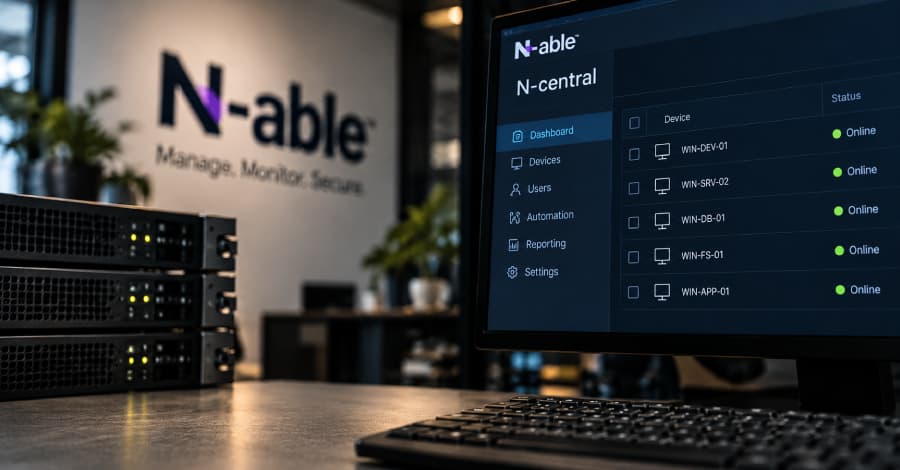
CISA has added CVE-2026-86218, a maximum-severity pre-authentication remote-code-execution flaw in N-able N-central, to its Known Exploited Vulnerabilities catalog, giving federal agencies until September 11 to apply fixes.

Editorial Policy: Primary Source Outside HourFeed.org Scope
This report details HourFeed.org's adherence to its strict editorial policy, explaining why the provided primary source, concerning a film director's drama, falls outside the mandated coverage pillars for cybersecurity, esports, and new game reveals.

Switch 2 EU Revision Teardown Reveals Smaller Battery, Heavier Chassis
A recent teardown of the updated Nintendo Switch 2 model, now shipping to comply with European Union regulations, has confirmed significant internal revisions, including a smaller battery capacity and a marginally increased console weight compared to its launch counterpart.