Premier League Club Risks European Spot Again
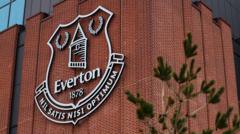
As the 2025-2026 Premier League season draws to a close, the specter of dual ownership issues threatens to disrupt the dreams of European competition for one of England's top clubs. Following Crystal Palace's high-profile case from the previous year, where they narrowly avoided sanctions, experts and fans alike are questioning whether history might repeat itself. This situation underscores the stringent UEFA rules designed to prevent conflicts of interest in football governance, potentially altering the landscape of European football participation.
The Crystal Palace Precedent
Last season, Crystal Palace found itself under scrutiny when dual ownership links between their majority shareholder and another club raised red flags with UEFA. The issue centered on the club's connections that could influence competitive integrity, leading to a tense standoff. Ultimately, Palace managed to retain their European spot through a series of divestitures and compliance measures, but the ordeal highlighted the vulnerabilities in the Premier League's ownership structures. In 2026, with the transfer window buzzing and qualification spots up for grabs, similar concerns have resurfaced, prompting UEFA to ramp up its investigations.
UEFA's regulations, particularly Article 5 of their Club Licensing and Financial Fair Play rules, prohibit any individual or entity from exerting control over more than one club in a way that could affect domestic or European competitions. This rule aims to ensure a level playing field, but as clubs expand their global portfolios, enforcement has become increasingly challenging. For Crystal Palace, the 2025 episode involved allegations of shared board members and financial ties to a club in another league, which UEFA deemed a potential breach.
Current Risks in 2026
Fast-forward to 2026, and whispers in football circles suggest that at least one Premier League team is grappling with comparable ownership dilemmas. While the BBC report stops short of naming names, sources indicate that a club currently vying for a Europa League or Champions League spot might be in the crosshairs. This development comes at a pivotal time, as the final matches of the season could determine qualification, with stakes including lucrative broadcasting deals and prestige on the line.
The implications extend beyond mere disqualification. If a club loses its European place, it could face financial repercussions, including lost revenue from matches and sponsorships, estimated to be in the tens of millions of pounds. Moreover, this could affect player morale and transfer negotiations, as top talents often prioritize clubs with continental exposure. In a league as competitive as the Premier League, such a penalty might even influence the domestic title race by altering team motivations and resources.
Broader Context and UEFA's Stance
UEFA has been tightening its grip on ownership rules in recent years, especially after high-profile cases involving clubs like Manchester City and AC Milan. The governing body emphasizes transparency and independence, requiring clubs to submit detailed ownership disclosures annually. In 2026, with the expansion of the Champions League format, the demand for slots has intensified, making adherence to these rules more critical than ever.
Experts argue that the Premier League's allure to global investors increases the risk of dual ownership conflicts. For instance, American and Middle Eastern consortiums often hold stakes in multiple teams across continents, blurring the lines of regulation. This has led to calls for reform, with the Football Association pushing for clearer guidelines to protect the league's integrity. A potential loss of a European spot could serve as a wake-up call, prompting faster action from both domestic and European authorities.
- Key UEFA rules on ownership to watch: Prohibition of decisive influence over multiple clubs.
- Possible outcomes: Disqualification, fines, or forced sales of shares.
- Impact on fans: Disappointment and protests if a popular team is affected.
As the season concludes, all eyes will be on UEFA's decision-making process, which could unfold over the summer transfer period. Clubs are already taking proactive steps, such as auditing their ownership structures and engaging legal experts, to avoid pitfalls. This ongoing saga not only highlights the complexities of modern football business but also reinforces the need for ethical standards in the sport. Ultimately, the resolution of this issue will shape the Premier League's participation in European competitions for the 2026-2027 season, ensuring that merit, not ownership ties, determines success.