Stingray Barbs Reveal Maya Bloodletting Rituals
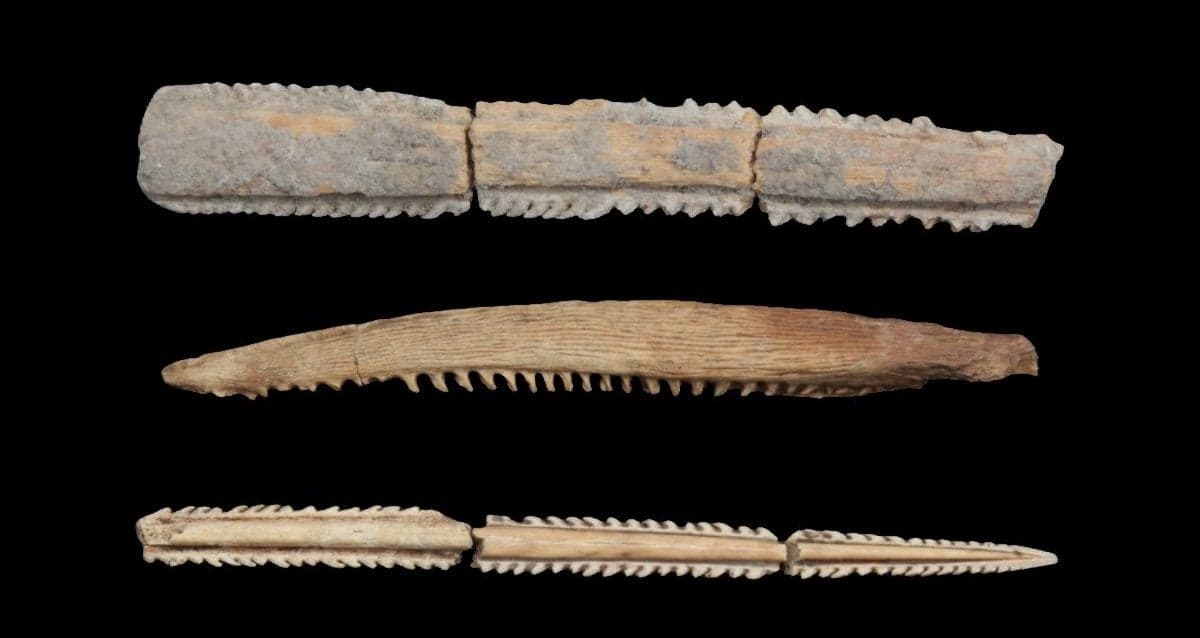
Archaeologists in southern Mexico have uncovered stingray barbs believed to have been used by the Maya to draw blood during ceremonies lasting nearly 2,000 years.
In the humid landscape of southern Mexico, a small and dangerous object has opened a window onto one of the Maya civilization’s most intimate rituals. Archaeologists uncovered stingray barbs that were likely used to pierce human skin and draw blood during ceremonies carried out over nearly two millennia.
The discovery does not point to an act of violence in the ordinary sense. Instead, it appears connected to bloodletting—a ritual practice in which Maya individuals deliberately offered some of their own blood. Beginning around 500 B.C.E. and continuing for roughly 2,000 years, such ceremonies were tied to purification, communication with the gods, and the preservation of cosmic order.
A Weapon Turned Into a Sacred Instrument
Stingray barbs are naturally sharp, rigid structures capable of puncturing skin. Their presence at an archaeological site therefore carries a practical implication: they could have served as specialized tools for producing controlled wounds. The barbs’ discovery gives investigators physical evidence to place alongside the written, artistic, and architectural records associated with Maya religious life.
For the people who used them, the barbs may have represented more than an efficient instrument. Stingrays belonged to the watery world that played an important role in Maya belief, and objects taken from nature could acquire ceremonial meaning when incorporated into elite or community rites. The evidence suggests that the act of bleeding was not random or private, but part of a structured religious tradition.
Blood, Purification and Cosmic Balance
Maya bloodletting was rooted in the belief that the human body could serve as a channel between the earthly world and supernatural forces. Participants sacrificed their own blood in hopes of purifying themselves before the gods or sustaining the balance of the universe. The offering was therefore understood as an obligation, not simply as physical pain.
That belief helps explain why sharp barbs could be preserved, handled, and deposited in ritual settings. The object that caused the wound may itself have become part of the offering. Rather than being discarded as an ordinary tool, it could have been treated as a material link between the person making the sacrifice and the divine powers being invoked.
📁 Case Dossier & Investigation Summary
- Incident / Case: Maya Stingray-Barb Bloodletting Evidence
- Date & Location: Evidence dating from roughly 500 B.C.E. onward, southern Mexico
- Status: Archaeological investigation; ritual interpretation ongoing
- Key Evidence / Breakthrough: Unearthed stingray barbs believed to have been used to draw blood during Maya ceremonies
- Legal Outcome / Verdict: Not applicable; the discovery concerns ancient ceremonial practice
What the Discovery Adds
Archaeological interpretations often depend on several kinds of evidence rather than a single object. Images and inscriptions can show rulers or worshippers performing bloodletting, but tools provide a direct material connection to the act itself. The barbs help demonstrate how the ritual may have been physically carried out and broaden the understanding of the people who participated in it.
The find also reinforces the longevity of the practice. The tradition was not limited to one brief phase of Maya history. Its persistence across approximately 2,000 years indicates that bloodletting remained meaningful even as political centers, religious institutions, and social structures changed.
A Ritual Seen Through Its Sharpest Detail
To modern observers, the idea of intentionally drawing blood can appear disturbing. Within the Maya worldview, however, sacrifice was connected to responsibility, renewal, and the maintenance of an ordered universe. The physical act was painful, but its purpose was spiritual and communal.
Still, the barbs leave unanswered questions. Archaeologists must continue examining where they were found, how they were positioned, and whether traces of use remain on their surfaces. Those details could help establish who handled them, how frequently they were used, and whether bloodletting was reserved for rulers and priests or practiced by a wider population.
For now, the stingray barbs stand as quiet evidence of a vanished ritual world—small objects that reveal how the Maya understood suffering, devotion, and the fragile balance between human life and the cosmos.

Elena is an investigative journalist specializing in real-life crime dossiers, forensic mysteries, and high-profile global investigations with a focus on narrative truth.
This article is based on factual reporting from:
allthatsinteresting.com — Original Report ↗Related Stories in Crime Stories

Family Annihilated: Son Convicted in North Carolina Horror
A chilling chapter closed in North Carolina as a man received a life sentence for the brutal murders of his parents and brother, an unspeakable act compounded by arson and the callous use of their funds for personal gain.

Pregnant Mom Ambushed, Fatally Shot in California
In a chilling act of violence that shattered a family's joy, a 22-year-old pregnant mother in California was ambushed and shot in the head while sitting in a car with her sister, tragically succumbing to her injuries just weeks before her anticipated gender reveal party.
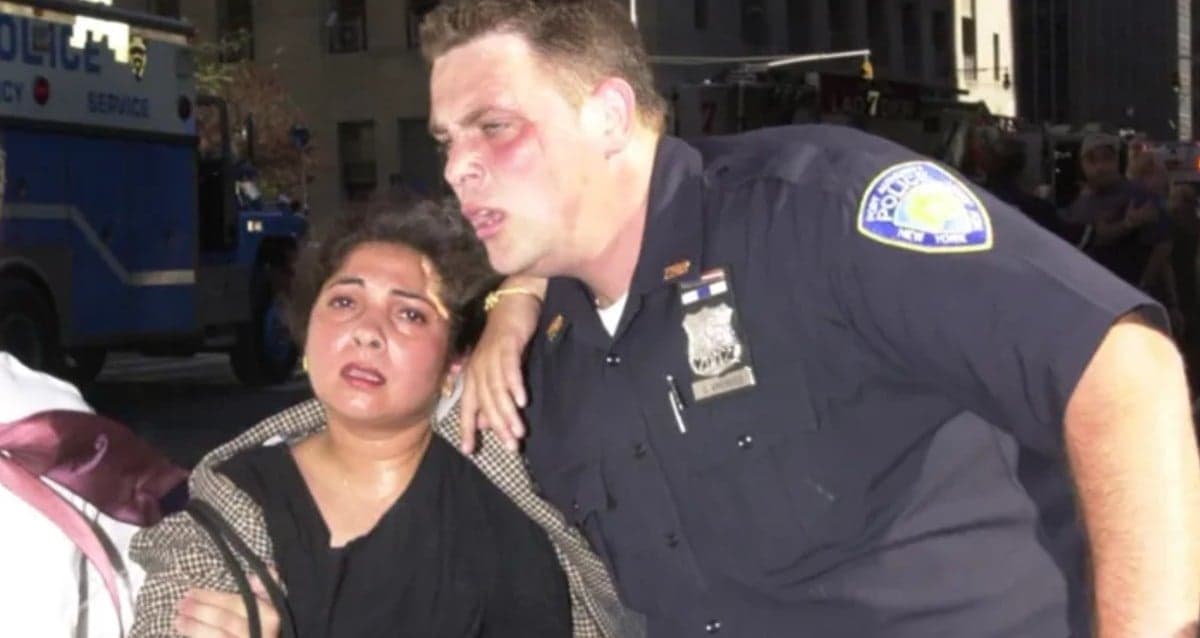
The Last Known Steps of 9/11 Hero Christopher Amoroso
On the morning of September 11, 2001, as chaos erupted at the World Trade Center, Port Authority Police Officer Christopher Amoroso was last observed making the ultimate sacrifice, disappearing into the inferno of the North Tower to rescue those trapped within.