The Surge in Daily HIIT Workouts for Everyday Wellness
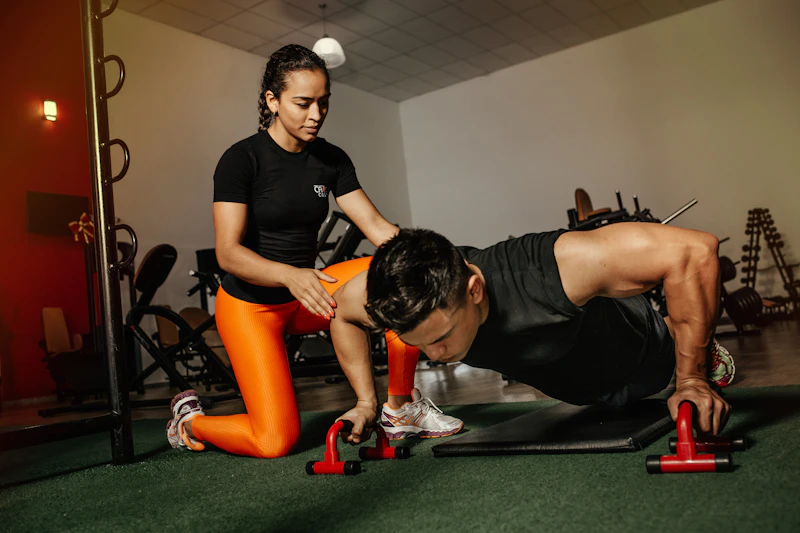
As we navigate the fast-paced demands of 2026, incorporating high-intensity interval training (HIIT) into daily life has emerged as a game-changer for people seeking efficient, effective ways to boost their overall health. This workout style, which alternates short bursts of intense exercise with brief recovery periods, is not just for athletes anymore—it's becoming a staple for busy professionals, parents, and anyone looking to squeeze more vitality into their day. With its roots in traditional fitness practices evolving to meet modern needs, HIIT offers a flexible approach that fits into tight schedules, making it accessible for all.
What Exactly is HIIT and Why is it Trending in 2026?
HIIT involves quick, powerful exercises like squats, burpees, or sprints, followed by short rests, typically lasting 20 to 30 minutes per session. What's driving its popularity this year? Experts point to the post-pandemic shift towards home-based wellness routines, where people are prioritizing efficiency without sacrificing results. According to recent surveys from fitness communities, over 60% of respondents in 2026 report incorporating HIIT into their weekly habits, citing its ability to burn calories, build muscle, and improve cardiovascular health in less time than traditional workouts.
This trend isn't just about physical gains; it's deeply tied to mental well-being. In an era where stress from work and daily life is rampant, HIIT sessions provide an endorphin rush that helps combat anxiety and enhance focus. Fitness coaches emphasize that starting with beginner-friendly routines, such as alternating 30-second sprints with one-minute walks, can make HIIT approachable for newcomers, reducing the intimidation factor that often accompanies gym-based programs.
The Science Behind HIIT's Benefits
Research from leading health institutions in 2026 underscores HIIT's effectiveness. Studies show that regular HIIT can increase metabolic rates for hours after a workout, aiding in weight management—a critical concern as obesity rates stabilize but remain high globally. For instance, a recent report highlighted how HIIT improves insulin sensitivity, which is vital for preventing type 2 diabetes, especially among middle-aged adults.
Beyond the physical, HIIT's impact on mental health is profound. Participants often describe a 'runner's high' that lingers, helping to alleviate symptoms of depression. This is particularly relevant in 2026, as mental health awareness continues to grow, with wellness programs integrating HIIT into corporate settings to boost employee productivity and morale. The routine's adaptability means it can be modified for different fitness levels, using bodyweight exercises or simple equipment like dumbbells, making it inclusive for urban dwellers and rural communities alike.
How to Incorporate HIIT into Your Daily Routine
Getting started with HIIT doesn't require a gym membership or fancy gear. Begin with a basic routine: warm up for five minutes with light jogging or jumping jacks, then cycle through high-intensity moves for 20 seconds each, followed by 10 seconds of rest. A sample session might include push-ups, lunges, and plank holds, repeated for three rounds. The key is consistency—aim for three to four sessions per week, gradually increasing intensity as your body adapts.
- Start slow to avoid injury, especially if you're new to exercise.
- Listen to your body; modify exercises based on your fitness level, such as opting for knee push-ups if full ones are too challenging.
- Pair HIIT with proper nutrition, like balanced meals rich in proteins and vegetables, to maximize results.
- Track your progress with a journal or app to stay motivated and see improvements over time.
For those in 2026's hybrid work environments, HIIT can be a midday energizer, fitting seamlessly into lunch breaks or evenings. Community classes and online tutorials have made it easier than ever to learn proper form, ensuring safety while building strength.
Implications for Long-Term Health and Society
The rise of HIIT reflects broader societal shifts towards preventive health care in 2026, where individuals are taking proactive steps to combat chronic diseases. By promoting a routine that's both time-efficient and rewarding, HIIT could help reduce healthcare costs associated with sedentary lifestyles, potentially influencing public health policies to include more community-based fitness initiatives. As more people adopt this trend, we're seeing a ripple effect in family dynamics, with parents involving children in fun HIIT games to instill healthy habits early.
However, experts caution against overdoing it; rest and recovery are essential to prevent burnout. In the context of 2026's wellness landscape, HIIT isn't a one-size-fits-all solution but a versatile tool that, when balanced with other activities like yoga or walking, contributes to holistic well-being. Ultimately, embracing HIIT can lead to a more energized, resilient you, fostering a culture of vitality that extends beyond the individual to communities at large.
Looking Ahead: The Future of Fitness in 2026
As we move further into 2026, the integration of HIIT into everyday life promises to empower more people to take control of their health. Whether you're aiming to shed pounds, enhance endurance, or simply feel more alive, this trend offers a pathway to sustainable change. By making HIIT a part of your routine, you're not just working out—you're investing in a healthier tomorrow for yourself and those around you.