Tomb Raider's Iconic Level Design: A Technical Retrospective
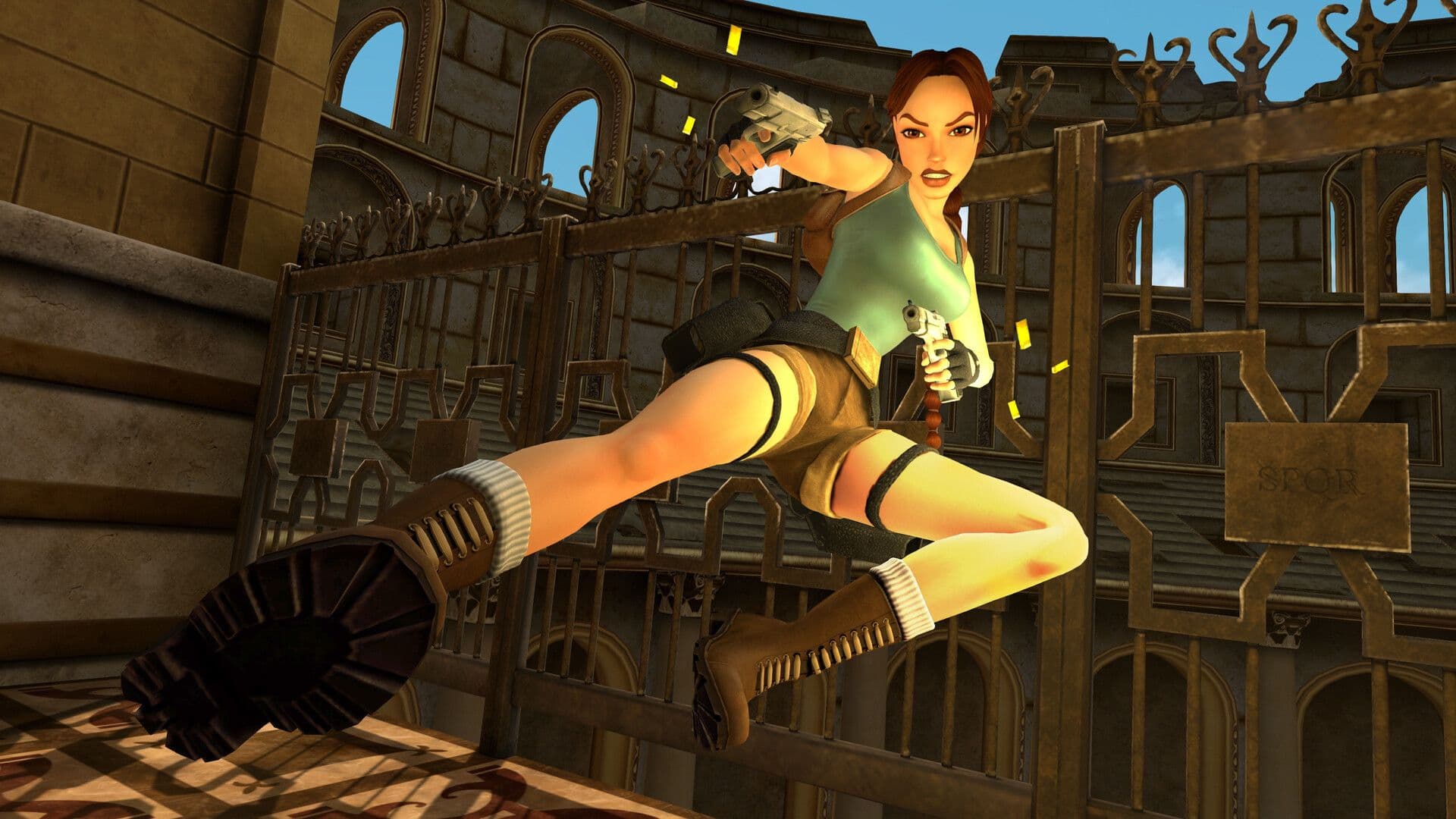
A recent analytical retrospective has meticulously examined the most impactful levels across the venerable Tomb Raider franchise, offering crucial insights into the technical evolution of action-adventure game design. This deep dive into iconic environments, from the intricate 'St. Francis' Folly' to the expansive 'Paititi,' underscores the enduring architectural and systemic principles that continue to influence the genre and potential future franchise iterations.
Analyzing Core Design Principles in Tomb Raider's Enduring Levels
As the gaming industry continually pushes the boundaries of digital environments, a recent analytical piece has revisited the foundational level designs that cemented the Tomb Raider series as a titan of the action-adventure genre. This retrospective, which spotlights key levels such as the multi-layered 'St. Francis' Folly' from the original 1996 title and the sprawling 'Paititi' from 2018's Shadow of the Tomb Raider, provides a critical lens through which to examine the technical prowess and design philosophy that shaped these iconic experiences. For HourFeed.org, understanding these engineering feats and creative solutions is paramount, as they often lay the groundwork for future advancements and 'new game reveals' within the industry.
The selection of 'St. Francis' Folly' as a standout level is not merely due to its nostalgic appeal but its sophisticated architectural complexity for its era. Developed on a bespoke engine, the level exemplified early 3D environmental puzzle design, featuring intricate verticality and multiple interconnected chambers each dedicated to a distinct deity-themed challenge. Technically, this demanded precise collision detection, robust player character control systems for platforming, and efficient rendering pipelines to manage dynamic lighting and texture mapping across complex geometric structures. The implementation of discrete, self-contained puzzle mechanics within a cohesive larger space showcased pioneering modular design, a principle still highly relevant in today's multi-threaded game engines and asset streaming methodologies.
Evolution of Environmental Scale and Systemic Integration
Fast forward to 'Paititi,' the sprawling hidden city hub in Shadow of the Tomb Raider, and we observe a dramatic evolution in environmental scale and systemic integration. This level represents a significant leap in open-world design, leveraging modern game engines to create a seamless, densely populated jungle environment that balances exploration with narrative progression. The technical challenges here involved advanced terrain generation, sophisticated vegetation rendering (including complex foliage shaders and instancing for performance), and dynamic AI pathfinding for numerous non-player characters. Furthermore, 'Paititi' showcased advanced streaming technologies, allowing for vast areas to be loaded and unloaded without perceptible hitches, a critical component for delivering immersive, large-scale game worlds that define many AAA titles today. The ability to integrate side quests, resource gathering, and critical path elements within such a technically ambitious hub speaks volumes about the advancements in game director tools and engine capabilities.
Puzzle Mechanics and Player Interaction Engineering
Beyond sheer scale and geometry, the retrospective implicitly highlights the technical engineering of puzzle mechanics and player interaction that define Tomb Raider's best levels. Whether it's the pressure-plate activated traps of the early games or the intricate physics-based contraptions of the modern era, each challenge requires meticulous scripting and robust physics simulation. The original titles, with their block-pushing and lever-pulling, relied on deterministic state machines and rigid body physics. Contemporary iterations, however, utilize more complex soft-body physics, fluid dynamics, and advanced animation blending for more realistic and interactive environmental puzzles. The transition from grid-based movement to free-form traversal also necessitated significant overhauls in character controller design, inverse kinematics, and animation systems, all of which contribute to the player's ability to navigate and manipulate these highly technical environments.
Legacy and Future Development Implications
The enduring appeal and technical achievements of these selected Tomb Raider levels offer invaluable lessons for contemporary game development. They serve as a testament to the importance of strong foundational design, robust engine architecture, and a clear vision for player experience. For developers currently working on new action-adventure titles or future installments in the Tomb Raider franchise, this retrospective serves as a practical guide to the elements that resonate deeply with players—not just aesthetically, but through the seamless integration of technical systems that support compelling gameplay. Understanding the technical evolution from 'St. Francis' Folly' to 'Paititi' provides critical context for anticipating the engineering challenges and innovative solutions that will define the next generation of 'new game reveals' in this dynamic genre. The principles of efficient resource management, scalable environment design, and responsive player mechanics remain central to delivering high-fidelity, engaging interactive experiences.

Marcus is a veteran gaming journalist and digital security analyst with over 8 years of experience covering AAA game releases, esports infrastructure, and cybersecurity developments.
Related Stories in Gaming

Na Hong-jin's 'Hope' Redefines Sci-Fi Thriller Pacing
Director Na Hong-jin, renowned for his visceral slow-burn horror, is poised to redefine the sci-fi action thriller genre with his latest cinematic endeavor, 'Hope,' which prioritizes relentless pacing, intricate creature design, and a profound exploration of human nature. This ambitious project marks a significant stylistic pivot for the acclaimed filmmaker, promising a high-octane yet philosophically rich experience for audiences in 2026.

Supergirl Sets September 10 HBO Max Streaming Debut
The Milly Alcock-led DC Studios film Supergirl was scheduled to begin streaming on HBO Max on September 10, bringing the movie to the service shortly after its theatrical run.

BlizzCon 2026 Opening Ceremony: How to Watch
Blizzard will use BlizzCon 2026’s opening ceremony this weekend to present news tied to StarCraft, Warcraft, Diablo, World of Warcraft, and Overwatch, with Polygon detailing when and where viewers can watch the livestream.