UAE Quits Opec in Major Oil Cartel Shakeup
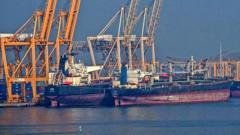
The UAE's Decision to Leave Opec
In a move that underscores evolving pressures within the global oil industry, the United Arab Emirates (UAE) has officially declared its intention to withdraw from the Organization of the Petroleum Exporting Countries (Opec). This announcement, made public through official channels, marks a pivotal moment for the oil-producing alliance that has dominated energy markets for decades. The UAE, one of Opec's key members since 1974, cited strategic reasons related to production quotas and market adaptability as central to its decision.
Opec, formed in 1960, has long served as a collective bargaining entity for oil-producing nations, aiming to stabilize prices and manage global supply. The UAE's exit represents a fracture in this unity, potentially weakening the cartel's influence over oil prices and production levels. Analysts suggest that the UAE's dissatisfaction stems from disagreements over output limits, which have hindered the country's ability to maximize its vast oil reserves. As of 2026, with global demand for oil still robust but increasingly challenged by renewable energy transitions, such internal conflicts have intensified.
Background and Context of Opec's Role
Opec's history is intertwined with the rise of oil as a global commodity, with member countries coordinating to control supply and maintain profitable prices. The UAE, boasting some of the world's largest oil fields, has been a compliant member, contributing significantly to Opec's decisions on production cuts and increases. However, in recent years, as evidenced by 2026 energy reports, non-Opec producers like the United States and Russia have surged in output, diluting Opec's market share. This shift has prompted members like the UAE to reassess their allegiances.
The decision comes at a time when the global energy landscape is transforming rapidly. By 2026, advancements in electric vehicles, solar power, and wind energy have accelerated, reducing long-term reliance on fossil fuels. For the UAE, exiting Opec could allow greater flexibility in aligning with these trends, such as investing in diversified energy portfolios or forming bilateral agreements with emerging markets. Official statements from Abu Dhabi emphasize a forward-looking approach, aiming to enhance national economic resilience amid volatile oil prices.
Implications for Opec and the Global Oil Market
The UAE's departure is viewed as a major setback for Opec, potentially triggering a domino effect among other members. With the UAE producing over 3 million barrels per day, its exit could lead to an oversupply in the market if it increases production independently, thereby depressing oil prices. Experts warn that this could undermine Opec's ability to enforce collective quotas, a tool that has been instrumental in past oil crises. In 2026, with geopolitical tensions in the Middle East and ongoing conflicts affecting supply chains, Opec's diminished cohesion might exacerbate market instability.
Globally, the oil market could face immediate repercussions. Consumers in Europe and Asia, heavily dependent on Middle Eastern oil, may experience fluctuations in pricing and availability. For instance, if the UAE aligns with non-Opec entities, it could foster new alliances that challenge Opec's dominance, leading to a more fragmented energy sector. Environmental advocates see this as an opportunity for accelerated adoption of green alternatives, as lower oil prices might incentivize a shift away from fossil fuels.
Economically, the UAE stands to gain by pursuing independent policies, such as expanding its liquefied natural gas exports or investing in technology-driven oil extraction methods. However, risks abound, including potential retaliatory measures from remaining Opec members or diplomatic strains. As of mid-2026, financial markets have already reacted, with UAE stock indices showing volatility and oil futures dipping in anticipation of increased supply.
Broader Context and Future Outlook
In the context of 2026's geopolitical environment, this development highlights the challenges facing traditional oil cartels. The Paris Agreement's targets for net-zero emissions by 2050 continue to pressure oil-dependent economies, pushing nations toward diversification. The UAE, with its Vision 2030-inspired initiatives, is positioning itself as a hub for innovation in clean energy, which could mitigate the impacts of leaving Opec.
Looking ahead, Opec may need to reform its structure to retain influence, possibly by courting new members or adjusting policies to accommodate members' individual needs. For the UAE, this exit could pave the way for enhanced partnerships with countries like India and China, which are ramping up energy imports. Overall, this event signals a potential reconfiguration of global energy dynamics, with lasting effects on prices, production, and international relations in the oil sector.
- Key impacts include market volatility and potential price drops.
- Opec's future unity is now in question.
- The UAE aims for greater energy independence.
In conclusion, the UAE's withdrawal from Opec represents a critical juncture in the evolution of the global oil industry, reflecting broader shifts toward sustainability and market adaptability. This decision, while risky, could redefine energy strategies for years to come.