UEFA Splits Nations for 2030 World Cup Qualifying
UEFA Introduces Two-Tier Qualifying for 2030 World Cup
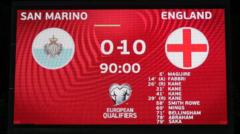
UEFA has confirmed plans for a restructured qualification pathway ahead of the 2030 World Cup, dividing European nations into separate tiers based on competitive strength. The move, announced this week, will prevent top teams from facing minnows such as San Marino, Gibraltar and Andorra in the same groups during the European qualifying campaign.
Details of the New Structure
Under the proposed system, higher-ranked nations will compete in a primary tier featuring more balanced fixtures against similar-level opponents. A secondary tier will accommodate lower-ranked associations, giving them dedicated matches and a clearer route to potential playoff opportunities. This separation aims to reduce the frequency of one-sided encounters that have long characterised early qualifying rounds.
- Major nations avoid routine heavy defeats against the smallest federations.
- Minor nations gain fixtures against comparable sides, improving match competitiveness.
- Overall group stages will be streamlined with fewer mismatches.
Implications for European Football
The reform is expected to enhance the quality of qualifying matches while supporting development programmes in smaller associations. Coaches and players from minnow nations have welcomed the change, noting that regular games against stronger teams often limit tactical growth and player confidence. For established powers, the focus shifts toward tighter contests that better prepare squads for the World Cup itself.
UEFA officials emphasised that the two-tier model will maintain the integrity of the qualification process while aligning with FIFA’s broader calendar reforms. The decision comes at a time when European football is preparing for the expanded 48-team format that begins at the 2026 World Cup, making efficient preparation pathways increasingly important.
Context and Background
European qualifying has historically featured large goal margins when elite sides meet the continent’s smallest members. Recent cycles produced results exceeding ten goals, prompting calls for structural change. The new arrangement addresses these concerns directly by isolating the weakest teams into their own competitive environment.
Implementation is scheduled to begin during the first qualifying phase for 2030, allowing federations time to adjust training and scouting strategies. Discussions continue on how promotion and relegation between tiers might operate in future cycles.
Overall, the split is viewed as a pragmatic step that balances competitive fairness with the need to keep every nation engaged in the World Cup pathway.