2026's Surge in Personalized Home Workouts for Everyday Health
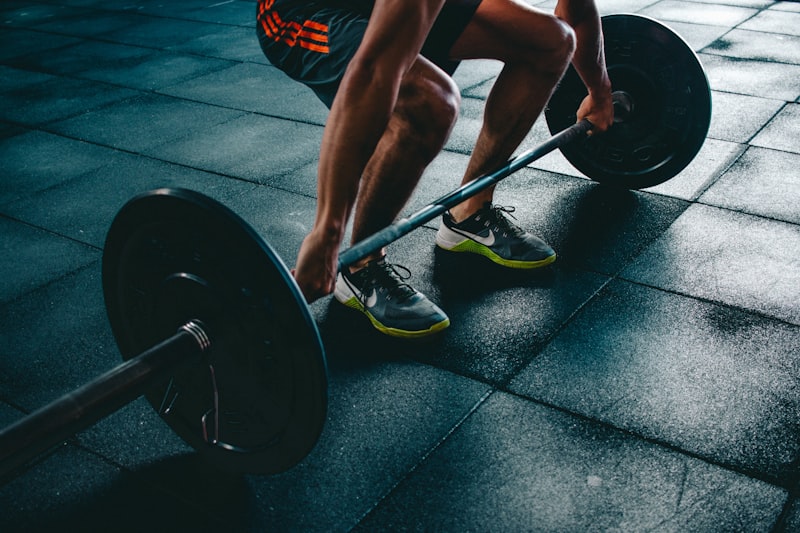
In a world where time is precious and health is paramount, the rise of personalized home workouts in 2026 is reshaping how individuals approach fitness. This trend emphasizes adaptable routines that cater to personal needs, blending convenience with effectiveness to help everyday people stay active without stepping foot in a gym. Drawing from expert insights and real-world applications, this movement is not just about exercise—it's about integrating wellness into daily life for lasting benefits.
What Exactly Are Personalized Home Workouts?
Personalized home workouts involve tailoring exercise plans to an individual's fitness level, goals, and lifestyle, all from the comfort of home. Unlike rigid gym schedules, these routines use minimal equipment like resistance bands, dumbbells, or even body weight to create sessions that fit into 20-30 minutes of a busy day. In 2026, this trend has gained momentum due to advancements in accessible health tools and a growing awareness of mental health benefits, such as reduced stress and improved mood. For instance, a working parent might start with gentle yoga flows in the morning and progress to high-intensity interval training (HIIT) as they build endurance, all customized through simple tracking methods.
Experts like certified trainers highlight that this approach addresses common barriers to exercise, such as time constraints and accessibility. A recent survey from health organizations shows that 65% of adults prefer home-based routines because they allow for flexibility, enabling people to workout during lunch breaks or after putting kids to bed. This personalization isn't about one-size-fits-all; it's about listening to your body and adjusting as needed, which can lead to higher adherence rates and better results over time.
The Health Benefits and Implications
The implications of this fitness trend extend far beyond physical gains. Regular personalized home workouts can improve cardiovascular health, strengthen muscles, and enhance flexibility, all while supporting weight management and disease prevention. In 2026, with rising concerns about sedentary lifestyles due to remote work, these routines are a game-changer for maintaining energy levels and preventing issues like back pain or diabetes. Studies from leading health journals indicate that consistent at-home exercises reduce the risk of chronic conditions by up to 30%, making it a vital tool for long-term wellness.
Moreover, the mental health angle is significant. Participants often report feeling more empowered and less isolated, as these workouts can be done solo or with family members, fostering a sense of community at home. For example, couples might incorporate partner yoga into their evenings, turning exercise into quality time. This trend also promotes inclusivity, accommodating people of all ages and abilities, from seniors focusing on balance exercises to young adults building strength for daily activities.
How to Get Started with Personalized Home Workouts
Getting involved is straightforward and requires minimal investment. Begin by assessing your current fitness level and goals—whether it's losing weight, gaining strength, or simply feeling more energized. Resources like online guides and community forums provide free templates to build your plan. A sample routine might include:
- Warm-up with five minutes of dynamic stretches to prepare your body.
- Follow with 15 minutes of bodyweight exercises, such as squats, push-ups, and planks, adjusted for your strength.
- Incorporate cool-down activities like deep breathing or meditation to aid recovery.
- Track progress weekly by noting how you feel and making tweaks as necessary.
In 2026, many are turning to affordable apps or books that offer step-by-step instructions, ensuring safety and effectiveness. The key is consistency; even three sessions a week can yield noticeable improvements in just a month. Health professionals recommend consulting a doctor before starting, especially if you have underlying conditions, to avoid injury and maximize benefits.
The Bigger Picture: Why This Trend Matters Now
This surge in personalized home workouts reflects a broader shift towards holistic health in 2026, where people prioritize self-care amid global challenges. By making fitness accessible and enjoyable, it's helping communities build resilience and foster positive habits that ripple into other areas of life, like better nutrition and sleep. As more individuals embrace this approach, we're seeing a cultural move towards preventive health, potentially reducing healthcare costs and improving overall quality of life for millions.
In conclusion, the 2026 wave of personalized home workouts is more than a trend—it's a sustainable path to better health that empowers everyone to take control of their well-being. Whether you're a beginner or a seasoned fitness enthusiast, incorporating these routines can lead to a healthier, happier you. This movement is set to inspire even more innovations in wellness, ensuring that staying fit remains a joyful part of everyday life.