Alan Wake Crossover Event Hits Phasmophobia
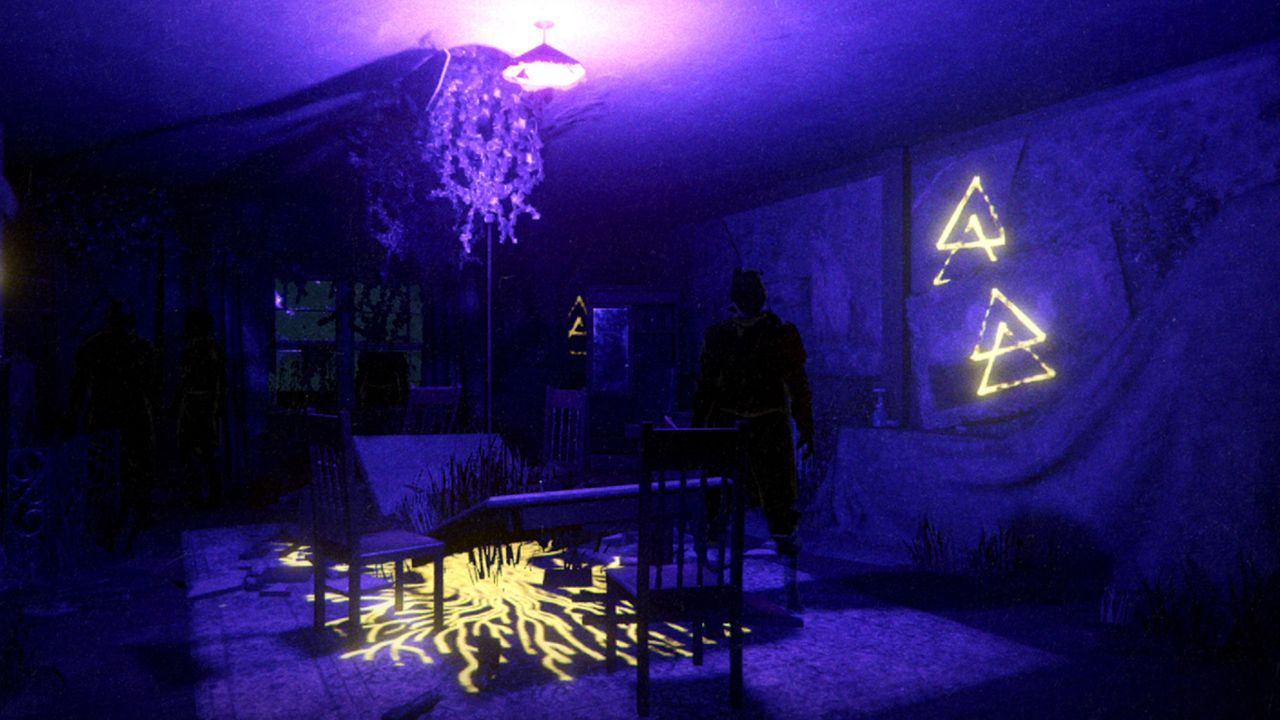
Introduction to the Alan Wake-Phasmophobia Crossover
In a significant collaboration within the horror gaming genre, Remedy Entertainment's Alan Wake is set to integrate into Kinetic Games' Phasmophobia through a new limited-time event. This announcement, detailed in a recent PC Gamer article, marks an exciting intersection of two popular survival horror franchises. Scheduled for next month following April 16, 2026, the event promises to blend narrative-driven elements from Alan Wake with the cooperative ghost-hunting mechanics of Phasmophobia, offering players a fresh and immersive experience.
The event stems from a validated industry leak turned official announcement, aligning with ongoing trends in game crossovers that enhance player retention and community engagement. As per the primary source, this crossover is not merely a cosmetic addition but involves deeper integration, potentially affecting gameplay dynamics such as environmental interactions and story progression. This move reflects the evolving landscape of AAA-adjacent titles, where developers leverage cross-promotional events to extend the lifecycle of their games.
Detailed Breakdown of the Event
At its core, the Alan Wake crossover event will introduce elements from the Alan Wake series into Phasmophobia's framework. Players can expect to encounter Alan Wake's signature flashlight mechanics, dark narrative twists, and possibly manuscript pages that tie into Phasmophobia's ghost-hunting investigations. Technically, this integration likely involves advanced asset swapping and scripting within Phasmophobia's Unity-based engine, allowing for seamless incorporation of Remedy's character models and behaviors.
From a technical standpoint, achieving this crossover requires meticulous synchronization between the two games' systems. Phasmophobia, known for its procedurally generated environments and real-time multiplayer features, must adapt to incorporate Alan Wake's story-driven elements without disrupting core gameplay. This could include API-level integrations or mod-like patches that enable dynamic event triggers, such as spawning Alan Wake-inspired anomalies during ghost hunts. Developers might employ middleware solutions to handle cross-game data exchange, ensuring that player progress and event-specific objectives remain consistent across sessions.
The event is designed as a limited-time affair, emphasizing urgency and exclusivity. Players will need to participate within a defined window, potentially unlocking unique rewards or achievements. While exact details from the source are sparse, this structure mirrors successful events in other titles, like those in Fortnite, but with a horror-focused twist tailored to Phasmophobia's audience.
Implications for the Gaming Industry
This crossover has broader implications for the gaming ecosystem in 2026, particularly in how it demonstrates the viability of inter-franchise collaborations without full sequels. For Remedy Entertainment, it serves as a strategic extension of the Alan Wake IP, which has seen revitalization through remasters and expansions. By partnering with Kinetic Games, both studios can tap into each other's player bases, fostering cross-pollination of fans and potentially driving sales for related merchandise or DLC.
In terms of player experience, the event could enhance immersion by combining Alan Wake's psychological horror with Phasmophobia's cooperative tension. Technically, this might involve optimized networking protocols to handle increased data loads during events, ensuring minimal latency in multiplayer scenarios. Such integrations highlight advancements in game development tools, like Unity's latest updates, which support easier asset imports and real-time collaborations.
Moreover, this event underscores the industry's shift towards live-service models, where ongoing content updates keep games relevant. In 2026, with the rise of virtual reality and augmented reality in horror gaming, crossovers like this could pave the way for more innovative experiences, such as VR-compatible events that blend narrative depth with interactive investigations.
Context and Future Prospects
Contextually, Alan Wake and Phasmophobia both occupy the survival horror niche, with Alan Wake originating from 2010 and gaining a cult following, while Phasmophobia exploded in popularity during the early 2020s via early access on Steam. This crossover, as reported, is a natural progression given shared themes of darkness, mystery, and supernatural elements. It's a validated industry move, possibly influenced by fan demands and successful precedents in other genres.
Looking ahead, the success of this event could influence future collaborations, encouraging more developers to explore crossovers for non-AAA titles. It also raises questions about intellectual property management and how studios protect their assets during such integrations. For players, this means more dynamic content, but it also highlights the need for robust backend systems to prevent exploits or bugs that could arise from merged codebases.
In conclusion, the Alan Wake-Phasmophobia crossover event represents a thoughtful blend of storytelling and gameplay innovation. As the gaming world continues to evolve in 2026, events like this not only entertain but also showcase technical prowess in an increasingly interconnected digital landscape. Players should mark their calendars for next month to experience this unique horror fusion firsthand.
- Key technical aspects: Engine integration and asset management.
- Player benefits: Enhanced immersion and exclusive content.
- Industry impact: Potential for more crossovers in horror gaming.