April's Top 5 Robots: Failures, Features, and NFT Integration
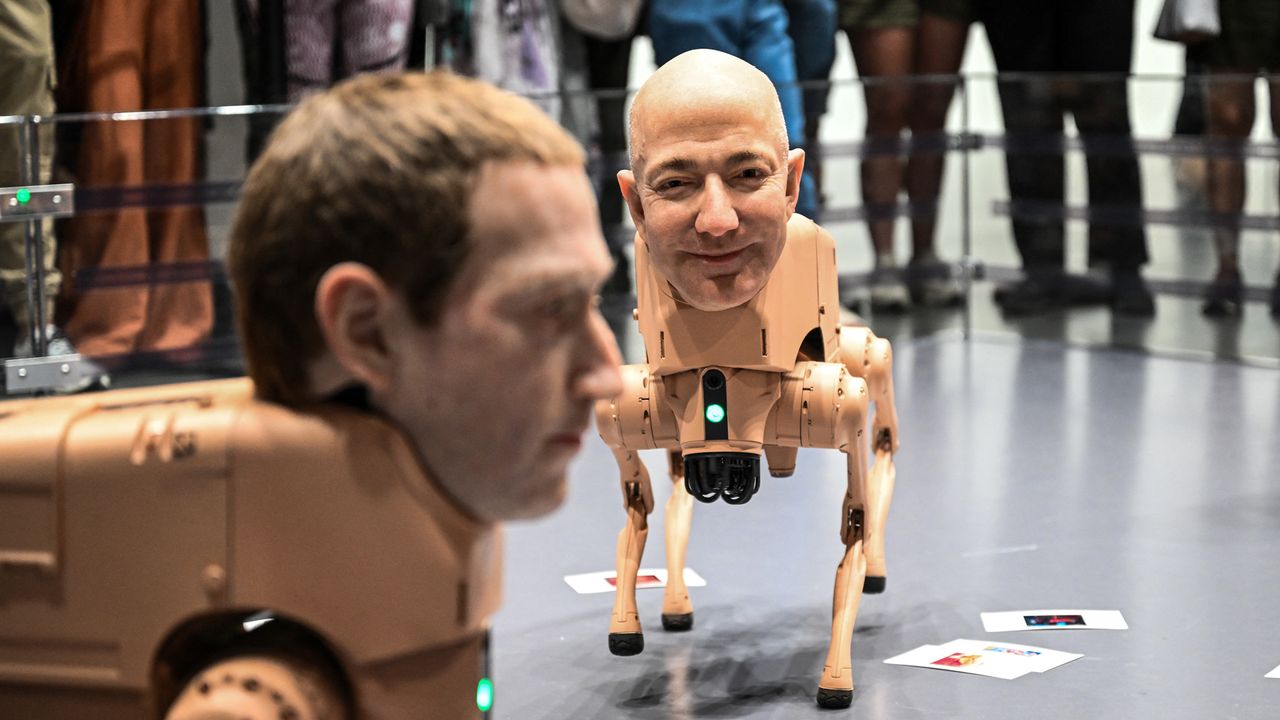
Introduction to April's Robotic Highlights
In the rapidly evolving landscape of technology hardware, April 2026 brought a spotlight on five robots that captured attention for their mix of spectacular failures and unexpected successes. As detailed in a recent PCGamer report, these robots exemplify the ongoing challenges and breakthroughs in robotics engineering, from mechanical flails to creative integrations like NFT generation. This analysis delves into the technical aspects, potential implications for broader tech sectors, and the context of these developments in a world increasingly reliant on automated systems.
Breakdown of the Top 5 Robots
The PCGamer feature outlined robots that ranged from experimental prototypes to more refined models, each demonstrating unique behaviors. The first robot, described as a failure-prone unit, struggled with basic navigation tasks, often 'flailing' due to sensor inaccuracies and software glitches. Technical experts noted that these issues stem from inadequate calibration of inertial measurement units (IMUs) and AI pathfinding algorithms, which could lead to inefficiencies in real-world applications.
Moving to the second robot, its ability to play ping pong showcased advanced machine learning models trained on datasets of professional matches. This robot utilized high-speed cameras and predictive analytics to anticipate ball trajectories, achieving response times under 50 milliseconds. However, it frequently failed under variable conditions, such as lighting changes, highlighting vulnerabilities in adaptive vision systems—a critical concern for industries relying on precision robotics.
The third robot's most intriguing feature was its 'pooping NFTs' mechanism, a metaphorical description for generating non-fungible tokens as digital outputs. This involved blockchain integration where the robot created unique NFTs based on its interactions, using embedded cryptographic protocols to mint tokens on the Ethereum network. While innovative, this raised questions about energy consumption and security, as the process demanded significant computational resources and exposed potential entry points for exploits in decentralized systems.
Technical Implications and Failures Analyzed
From a deeply technical perspective, the failures observed in these robots underscore common pitfalls in robotics development. For instance, the flailing motions were often traced to torque imbalances in servo motors, exacerbated by overheating in compact designs. Engineers might address this through better thermal management systems, such as phase-change materials or advanced cooling loops, to enhance reliability. These issues have broader implications for sectors like manufacturing and autonomous vehicles, where downtime can be costly.
In the context of NFT integration, the robots' ability to 'poop' digital assets points to emerging intersections between physical hardware and blockchain technology. This feature likely employed smart contracts for automatic NFT creation, but it also introduced risks such as smart contract vulnerabilities or 51% attacks on the underlying blockchain. Security analysts would recommend rigorous auditing with tools like MythX or Oyente to mitigate these threats, ensuring that robotic systems do not become vectors for larger cyber incidents.
Furthermore, the ping pong-playing robot's performance illustrates advancements in real-time processing. It leveraged neural networks, possibly based on architectures like YOLO for object detection, to track and respond to fast-moving objects. However, its failures in dynamic environments emphasize the need for robust edge computing solutions, where on-device AI processing reduces latency but increases power demands—a trade-off that 2026 hardware must optimize for sustainability.
Context in the Tech Ecosystem of 2026
- Evolving Robotics Standards: By 2026, global standards from organizations like ISO are pushing for more rigorous testing protocols, directly influenced by incidents like these. This could lead to mandatory fail-safes in consumer robots to prevent physical hazards.
- Integration with Gaming and Beyond: While not directly tied to e-sports, the ping pong robot's capabilities hint at potential applications in virtual reality training simulations, bridging robotics with gaming tech. This crossover could inspire new game reveals where AI-driven characters mimic real-world robotics.
- Cybersecurity Concerns: The NFT generation feature amplifies digital threats, as interconnected robots might be targeted for data breaches. In an era of increasing IoT vulnerabilities, this underscores the need for encrypted communications and regular firmware updates to safeguard against hacks.
As robotics continues to advance, these April highlights serve as a cautionary tale and a beacon for innovation. The failures remind developers of the importance of iterative testing, while successes like NFT integration open doors to creative monetization in tech hardware. Overall, keeping an eye on such developments is crucial for a future where robots play a dominant role in daily life.
Conclusion and Future Outlook
In summary, April 2026's top robots, as featured by PCGamer, reveal both the triumphs and tribulations of modern engineering. With ongoing refinements in AI, blockchain, and hardware design, the industry is poised for significant growth, potentially influencing cybersecurity protocols and emerging tech trends. This event reinforces the need for balanced innovation to ensure safe and effective robotic deployment by the end of the decade.