Atari Acquires Rights to Classic Wizardry RPGs
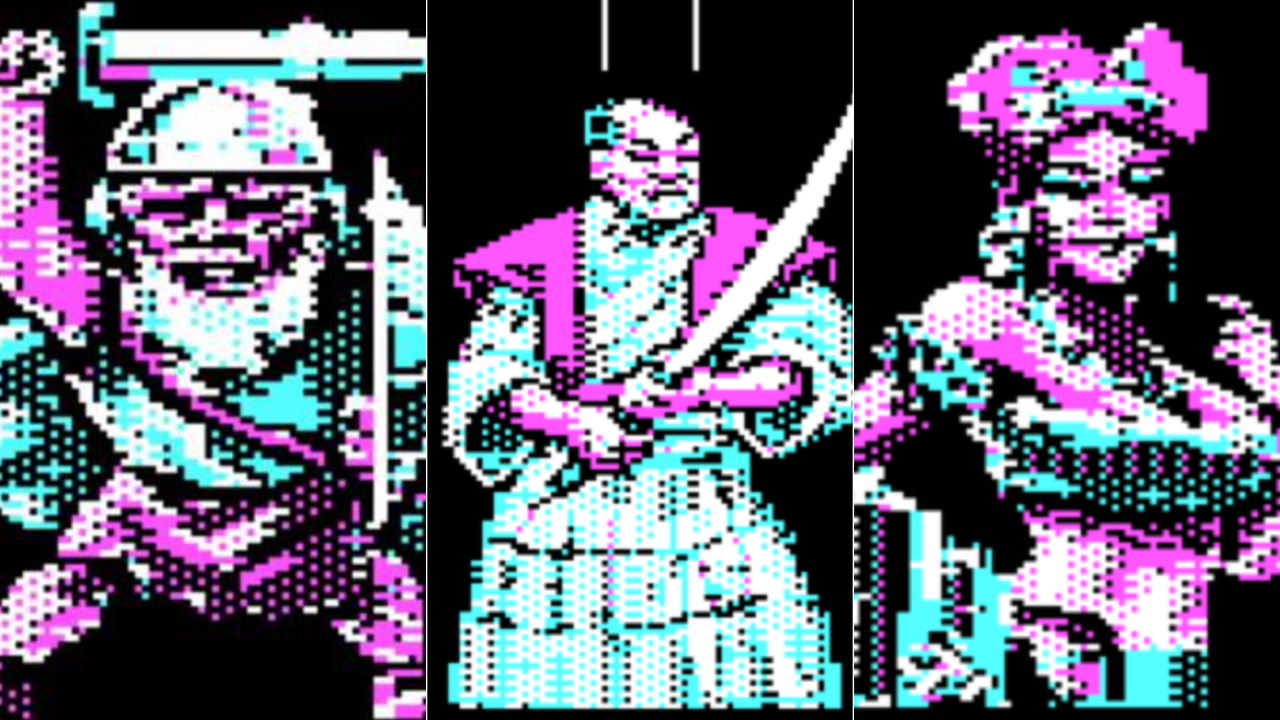
Atari's Strategic Acquisition of Wizardry Rights
In a significant move within the gaming industry, Atari announced its acquisition of the rights to the first five games in the iconic Wizardry series, a cornerstone of PC role-playing games. This deal, detailed in a recent report from PC Gamer, signals Atari's intent to launch a comprehensive reissue campaign, aiming to bring these vintage titles back to modern audiences. The Wizardry series, which debuted in the late 1970s and early 1980s, played a pivotal role in shaping the RPG genre, influencing countless titles that followed.
The acquisition encompasses Wizardry: Proving Grounds of the Mad Overlord (1981), Wizardry II: The Knight of Diamonds (1982), Wizardry III: Legacy of Llylgamyn (1983), Wizardry IV: The Return of Werdna (1987), and Wizardry V: Heart of the Maelstrom (1988). These games were originally developed by Sir-Tech Software and represented cutting-edge technology for their time, utilizing early computer architectures to deliver complex dungeon-crawling experiences. Atari's reissue plans likely involve remastering or re-releasing these titles with updated compatibility for contemporary platforms, ensuring that their historical significance is preserved in 2026's digital landscape.
Historical Context of the Wizardry Series
Wizardry emerged during the golden age of personal computing, with the original game released for the Apple II in 1981. It was one of the first games to employ first-person perspective in a 3D-like environment, using simple wireframe graphics to create immersive worlds. Technically, Wizardry's innovation lay in its use of procedural generation for dungeons, which randomized layouts and encounters, providing replayability that was revolutionary. The series also introduced party-based combat systems, where players managed teams of characters with distinct classes, stats, and inventories—elements that became staples in RPGs like The Elder Scrolls and Final Fantasy.
By the mid-1980s, Wizardry had evolved with each installment, incorporating advanced features such as non-linear storytelling in Wizardry III and a reversed perspective in Wizardry IV, where players controlled the antagonist. These technical advancements pushed the limits of available hardware, often requiring players to manage memory constraints and disk storage creatively. In 2026, as the gaming world continues to evolve with high-fidelity graphics and cloud-based systems, Atari's reissue could serve as a bridge to these roots, reminding developers and players alike of the foundational mechanics that underpin modern RPGs.
Technical Breakdown of the Reissue Campaign
From a technical standpoint, reissuing these games involves overcoming significant challenges related to legacy code and compatibility. The original Wizardry titles were written in languages like assembly and BASIC, optimized for 8-bit processors. Atari will need to employ emulation techniques, possibly using modern tools like DOSBox or custom wrappers, to ensure these games run smoothly on current operating systems such as Windows 11 or macOS. This could include updating graphics rendering from the original 320x200 resolution to support higher definitions, while preserving the authentic pixel art and color palettes.
Additionally, the reissue might incorporate quality-of-life improvements, such as autosave features or controller support, without altering the core gameplay. Industry experts speculate that Atari could leverage cloud integration for multiplayer elements, drawing from Wizardry's early online precursors. This campaign not only addresses digital preservation but also aligns with 2026's focus on backward compatibility in consoles like the PlayStation 7 and Xbox Series X successor, potentially setting a standard for how classic games are revitalized.
Implications for the Gaming Industry in 2026
This acquisition has broader implications for the RPG genre and the preservation of gaming history. In an era where intellectual property rights are increasingly consolidated, Atari's move underscores the importance of keeping seminal titles accessible, especially as physical media fades. It could inspire similar efforts from other publishers to digitize and remaster forgotten gems, fostering a renaissance in retro gaming. Economically, the reissue might tap into the nostalgia market, with potential for limited-edition releases or tie-ins with modern RPGs, boosting Atari's portfolio amid ongoing industry shifts.
From a business perspective, this deal positions Atari to capitalize on the growing demand for remakes, as evidenced by successful reissues like the recent Final Fantasy VII remake. It also highlights the role of acquisitions in maintaining competitive edges, especially with emerging technologies like AI-driven procedural generation—though not directly involved here—potentially enhancing future updates. As 2026 progresses, this could influence developer strategies, encouraging a balance between innovation and heritage.
In conclusion, Atari's acquisition of the Wizardry rights represents a thoughtful step toward preserving one of gaming's most influential series. By initiating this reissue campaign, the company not only honors the technical ingenuity of early RPGs but also ensures that future generations can experience the foundations of the genre. This development reaffirms the enduring legacy of Wizardry in the evolving landscape of interactive entertainment.