Bangladesh Win Toss, Elect to Bowl Against Unchanged India
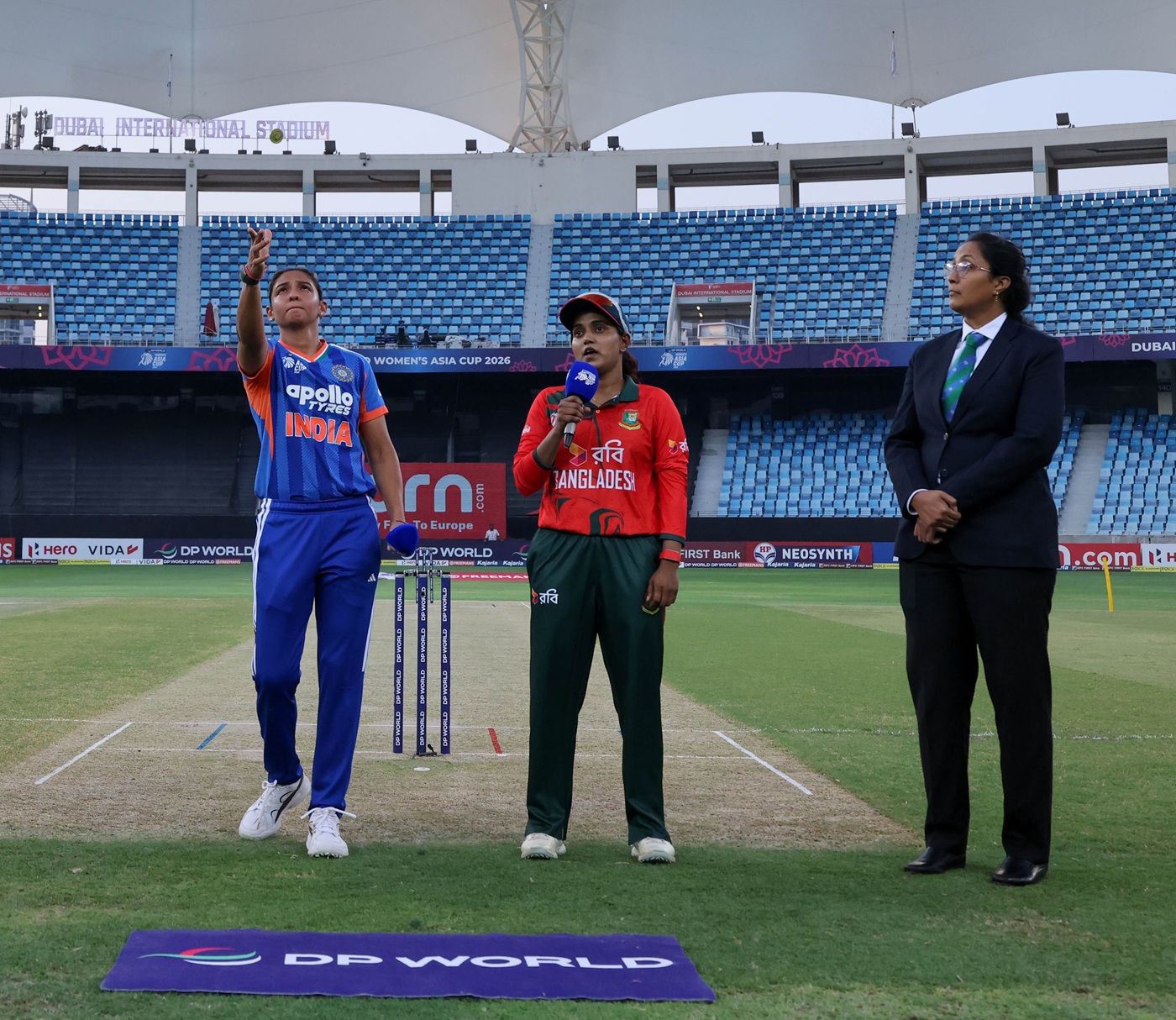
In a highly anticipated encounter on Thursday, September 10, 2026, Bangladesh captain won the toss and opted to bowl first against India, who will be batting first at the unnamed venue. Both teams have maintained continuity by naming unchanged playing XIs for this crucial fixture, with India's captain Harmanpreet Kaur expressing a preference to bat first anyway.
Tactical Opening: Bangladesh Bowls, India Seeks to Set Target
On a pivotal Thursday, September 10, 2026, the cricket world turned its attention to a significant clash between India and Bangladesh. The pre-match proceedings saw the Bangladesh captain win the coin toss and, without hesitation, elect to send India in to bat first. This decision immediately sets a strategic tone for the match, placing the onus on India’s formidable batting lineup to post a challenging total, while Bangladesh’s bowlers will look to exploit any early conditions and restrict their opponents.
The choice to bowl first is a common tactical play in modern cricket, often influenced by a myriad of factors including pitch conditions, potential for dew later in the innings, and a team's strength in chasing. For Bangladesh, this decision likely reflects confidence in their bowling attack's ability to make early inroads and perhaps a belief that their batting unit is better suited to chasing a target, especially under lights or in conditions that might ease for batters as the day progresses. It also puts immediate pressure on the opposition, forcing them to adapt their game plan from the very first ball.
Harmanpreet's Resolve: India's Batting Prowess Underscored
Adding an intriguing layer to the toss outcome was the statement from India’s captain, Harmanpreet Kaur, who revealed that she would have chosen to bat first anyway. This declaration speaks volumes about the Indian team's confidence and their preferred approach to the game. Harmanpreet’s assertion suggests a clear intent to dominate with the bat, to set a formidable total that their bowlers can then defend aggressively. It highlights a proactive mindset, rather than a reactive one, and reinforces the belief in India's deep batting reserves and their ability to perform under pressure.
The psychological aspect of such a statement cannot be understated. It sends a message of intent to the opposition, signaling that India is prepared to dictate terms regardless of the toss. For the Indian dressing room, it acts as a rallying cry, reinforcing their primary strength and encouraging batters to play with freedom and aggression. It also implies that India has a robust strategy for tackling various scenarios, demonstrating maturity and strategic depth within the squad.
Continuity in Squads: Both Teams Unchanged
Further emphasizing the stability and conviction within both camps is the announcement that both India and Bangladesh have opted to field unchanged playing XIs. This decision speaks volumes about the team management's satisfaction with their previous performances and combinations, or perhaps a desire to maintain momentum and consistency in a crucial phase of their campaign. For India, retaining the same eleven indicates faith in their established lineup, suggesting that the balance of their side is deemed optimal for the challenges ahead.
Similarly, Bangladesh's decision to stick with their winning (or preferred) combination highlights a belief that their current strategy and personnel are best suited to counter India's strengths. Unchanged teams often reflect a settled unit, where players understand their roles implicitly and have developed strong on-field chemistry. In high-stakes matches, continuity can be a significant advantage, allowing players to execute plans with greater cohesion and less uncertainty. It also suggests that neither team felt the need for radical changes, implying that their previous outings, irrespective of the result, offered sufficient positives to warrant consistency.
The Significance of the Early Exchange
The toss, while seemingly a minor event, often sets the stage for the entire match. Bangladesh's decision to bowl first, coupled with Harmanpreet's desire to bat, creates an immediate strategic contest. Bangladesh will be looking for early wickets to expose India's middle order, while India's openers and top-order batters will be keen to negate any early swing or seam movement and build a strong foundation. The first powerplay will be crucial, offering a glimpse into how each team intends to execute their initial game plans.
This match, set on September 10, 2026, is more than just another fixture; it's a test of tactical acumen, player execution, and mental fortitude. The strategic opening gambit from Bangladesh and India's confident response through their captain's statement promise an enthralling contest for cricket fans worldwide. As the players take the field, all eyes will be on how these initial decisions translate into on-field performances, shaping the narrative of this important encounter in the ongoing cricketing calendar.

Liam covers international football, Premier League tactical analysis, cricket tournaments, and athletic wellness trends with a data-centric perspective.
Related Stories in Cricket

Tahir five-for sends Guyana Amazon Warriors to top spot
Imran Tahir claimed five wickets and Mehidy Hasan Miraz took three as Guyana defeated St Lucia Kings, with Sampson's sixes securing top spot in the CPL standings.

Cook backs Emilio Gay to open for England in South Africa
Sir Alastair Cook believes England batter Emilio Gay has done enough to secure an opener’s place for the team’s winter tour of South Africa.

Coppack's Five-For Crushes Warwickshire in Surrey Rout
Surrey secured a dominant bonus point victory over Warwickshire today, largely thanks to a scintillating five-wicket haul from paceman Sam Coppack at The Oval. The Bears' batting line-up crumbled under pressure, with only one player managing to reach double figures in a one-sided affair that saw the hosts wrap up the win in short order.