Blizzard Mandated to Bargain AI Use with Developers
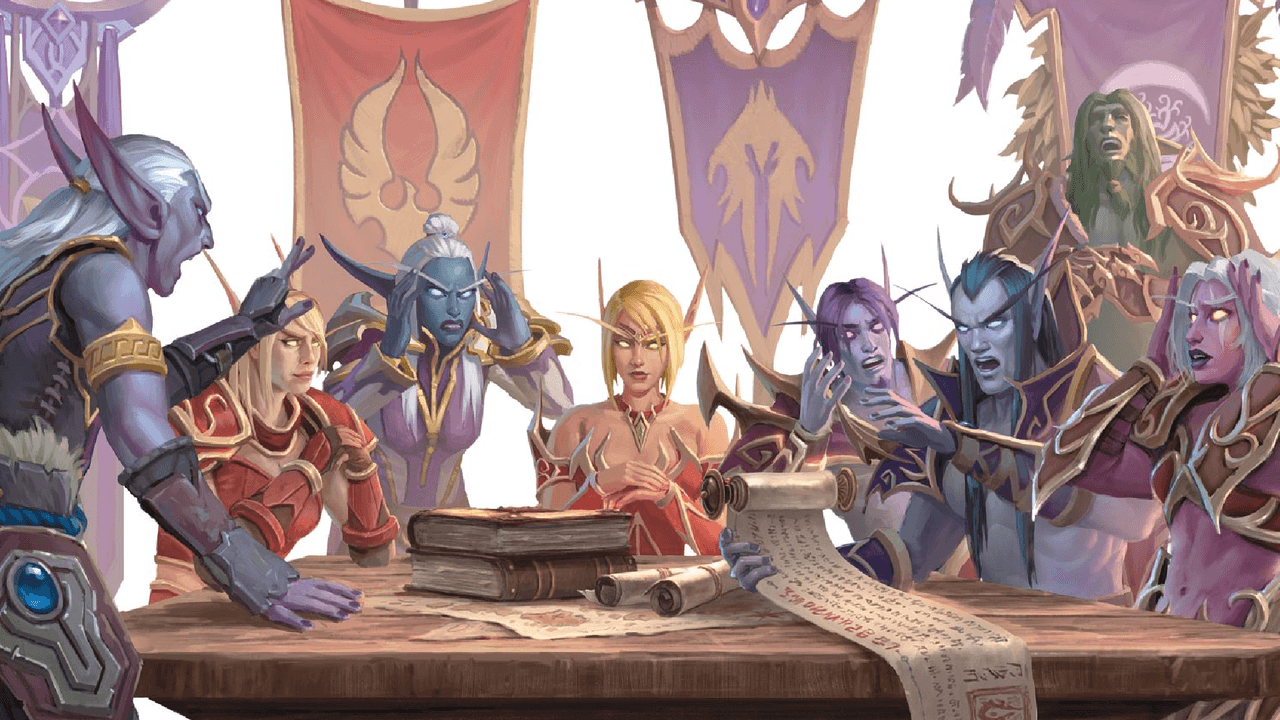
Blizzard Entertainment is now formally required to discuss, evaluate, and bargain the implementation and impact of artificial intelligence tools with its developers, marking a significant development in labor relations within the gaming industry.
Blizzard Confronts AI Integration Through Collective Bargaining
In a landmark development signaling a new era for labor relations within the technology-driven gaming sector, Blizzard Entertainment has been formally mandated to engage in comprehensive discussions, evaluations, and bargaining processes concerning the integration and utilization of artificial intelligence (AI) tools with its development staff. This directive, underscored by the sentiment "When we fight together, we win together," reflects a growing recognition of the profound impact AI technologies have on creative industries and the necessity for collective representation in navigating these shifts.
The requirement for Blizzard to negotiate its AI strategy with its developers represents a critical pivot point. For years, the rapid advancement of generative AI models and machine learning pipelines has introduced both unprecedented efficiencies and significant anxieties within creative workforces. In the highly competitive and IP-intensive gaming industry, where innovation often outpaces regulatory frameworks, this mandate positions Blizzard at the forefront of establishing new precedents for how technology adoption intersects with worker rights and intellectual property.
Technical Implications of AI in Game Development
The integration of AI into game development workflows is multifaceted and deeply technical. Developers increasingly leverage AI for tasks ranging from procedural content generation (PCG) for vast open worlds to AI-driven tools that assist in asset creation, texture generation, character animation, and even narrative scaffolding. Large Language Models (LLMs) are being deployed for scripting dialogue, generating quests, and automating localization processes. Furthermore, advanced AI algorithms are crucial for sophisticated quality assurance (QA) protocols, performing automated testing, identifying bugs, and optimizing game performance far more rapidly than traditional methods.
While these tools promise to accelerate development cycles and enable more ambitious projects, they also fundamentally alter the nature of traditional roles. Artists might transition from hand-crafting every asset to prompting and refining AI-generated content. Programmers may find AI assisting with code completion, debugging, and even generating functional code blocks. The "discuss, evaluate, and bargain" mandate directly addresses the need to formalize how these evolving roles are compensated, how skill development is supported, and how potential job displacement is managed.
Cybersecurity and Intellectual Property: A Critical Nexus
For HourFeed.org, the intersection of AI integration and cybersecurity, alongside intellectual property (IP) rights, is paramount. The mandate for Blizzard to bargain over AI usage brings these critical concerns to the forefront. When proprietary game assets, sensitive codebase, or design documents are used as training data for internal AI models—or worse, fed into third-party AI services—the potential for data leakage or intellectual property theft escalates dramatically. Robust data governance, stringent access controls, and transparent auditing of AI model training data become non-negotiable requirements to protect Blizzard's vast portfolio of game IPs.
Furthermore, the legal landscape surrounding AI-generated content remains largely uncharted. Who owns the copyright to assets or code generated by an AI? Is it the developer who crafted the prompt, the company that owns the AI model, or Blizzard as the employer? These questions have profound implications for future revenue streams, licensing agreements, and the creative legacy of titles. A collective bargaining agreement could establish clear guidelines on IP ownership for AI-assisted work, ensuring fair attribution and compensation for developers whose creativity fuels these AI systems. Adversarial attacks on AI models, where malicious input can lead to compromised output or even system vulnerabilities, also present a burgeoning cybersecurity threat that must be addressed within any comprehensive AI usage policy.
Industry Precedent and Future Outlook
This development at Blizzard sets a significant precedent for the entire gaming industry. As one of the most prominent publishers globally, Blizzard's approach to AI labor relations will be closely watched by other major studios, including Activision, Riot Games, Epic Games, and Valve. The success of this collective bargaining framework could inspire similar movements across the industry, leading to more formalized agreements between developers and management regarding AI implementation, job security, training, and IP rights.
In 2026, with AI technologies deeply embedded in software development, the focus shifts from merely adopting AI to responsibly governing its deployment. This mandate at Blizzard underscores the growing power of organized labor in shaping the ethical and economic dimensions of technological advancement. It signifies a maturation of the industry, moving beyond purely technical considerations to address the socio-economic impacts of transformative technologies. The ability to "discuss, evaluate, and bargain" ensures that the human element remains central to the future of game development, balancing innovation with the protection of the skilled workforce that drives it. This ongoing dialogue will be crucial in defining the next decade of gaming industry evolution.

Marcus is a veteran gaming journalist and digital security analyst with over 8 years of experience covering AAA game releases, esports infrastructure, and cybersecurity developments.
Related Stories in Gaming
Steins;Gate Creators’ New FPS Draws a Harsh Verdict
The creators associated with Steins;Gate are preparing a new first-person shooter that PC Gamer describes as a rough, “vibe-coded” production and says will be mostly free.
Persona 4 Revival, Persona 6 Confirmed for Nintendo Switch 2
Nintendo officially confirmed today the development and upcoming release of Persona 4 Revival and Persona 6 for its next-generation console, the Nintendo Switch 2, during a highly anticipated Nintendo Direct presentation.
CISA Flags Exploited N-able N-central RCE Flaw
CISA has added CVE-2026-86218, a maximum-severity pre-authentication remote-code-execution flaw in N-able N-central, to its Known Exploited Vulnerabilities catalog, giving federal agencies until September 11 to apply fixes.