Bitcoin Dips Below $71K Amid Geopolitical Tensions
Bitcoin Faces Market Pressure Amid Rising Global Tensions
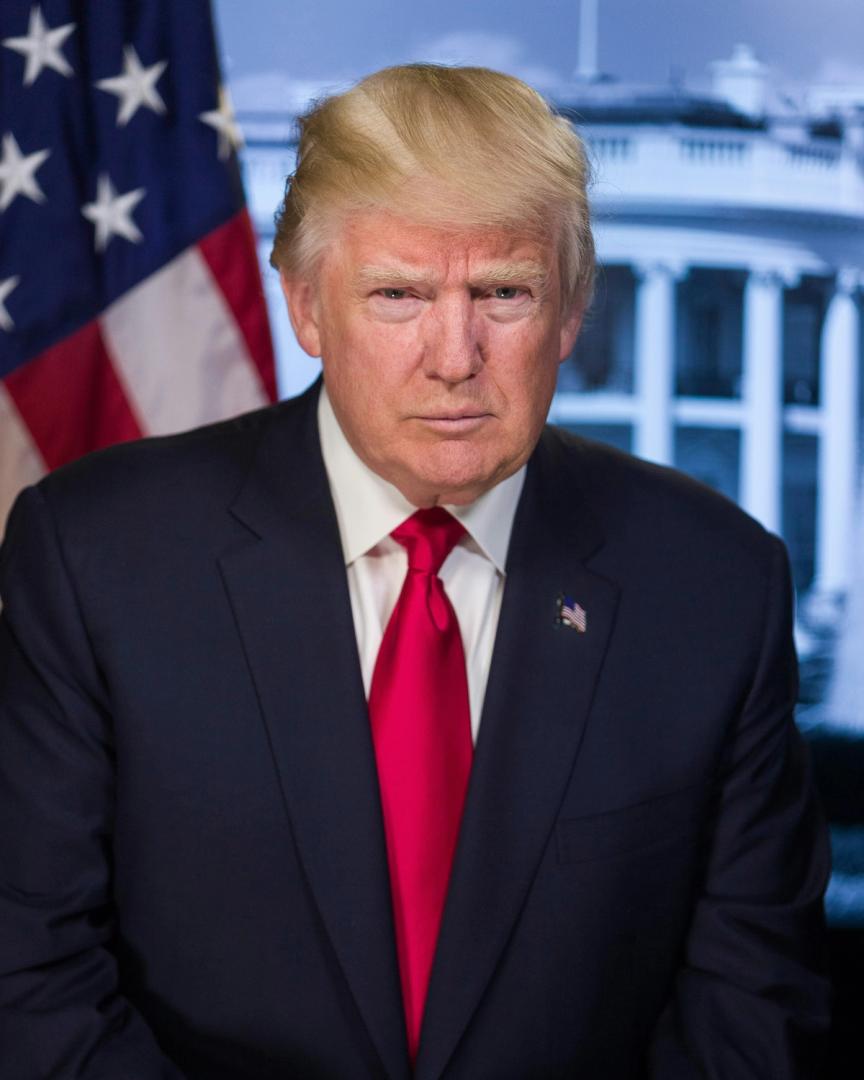
The cryptocurrency market is experiencing turbulence as Bitcoin (BTC) slipped below $71,000, driven by escalating geopolitical risks. According to a recent report from CoinDesk, the drop coincides with U.S. President Donald Trump's announcement of a naval blockade of the Strait of Hormuz, a critical chokepoint for global oil trade. In a social media post, Trump declared that the U.S. Navy would prevent any ships from entering or leaving the strait, intensifying concerns about potential disruptions to energy markets and broader economic stability.
This news article explores the immediate impact on Bitcoin, the growing reliance on stablecoins amid financial exclusion, analyst optimism for a BTC rally, and controversies surrounding a Trump-backed DeFi project.
Geopolitical Risks Weigh on Bitcoin’s Price
The blockade of the Strait of Hormuz has introduced significant uncertainty into financial markets, with Bitcoin bearing the brunt of risk-averse sentiment. As a leading cryptocurrency often seen as a 'safe haven' during economic instability, BTC’s decline below $71,000 suggests that investors are prioritizing caution over speculative assets. The Strait of Hormuz is a vital artery for oil shipments, and any disruption could lead to soaring energy prices, potentially triggering inflationary pressures that impact risk assets like cryptocurrencies.
While Bitcoin has historically shown resilience during geopolitical crises, the immediate reaction reflects broader market fears of a prolonged conflict or economic fallout. Investors appear to be reassessing their positions as they monitor developments in the Middle East.
Stablecoins Emerge as a Lifeline for Debanked Traders
Amid the geopolitical unrest tied to Iran, commodity traders are facing significant challenges in accessing traditional banking services. A CoinDesk report highlights that banks are retreating from trade finance due to heightened risk fears linked to the region. As a result, non-bank lenders and traders are increasingly turning to stablecoins for settlement purposes. Luke Sully of Haycen noted that these digital assets, pegged to stable fiat currencies like the U.S. dollar, provide a viable alternative for cross-border transactions when traditional financial systems become inaccessible.
This shift underscores the growing utility of blockchain-based solutions in times of crisis. Stablecoins offer speed, transparency, and decentralization, making them an attractive option for businesses navigating financial exclusion. As geopolitical tensions persist, the adoption of stablecoins could accelerate, further embedding cryptocurrencies into global trade ecosystems.
Analysts Remain Bullish on Bitcoin Despite War Risks
Despite the current downturn, some market analysts remain optimistic about Bitcoin’s long-term trajectory. According to CoinDesk, key factors such as inflows into Bitcoin exchange-traded funds (ETFs), favorable macroeconomic conditions, and on-chain supply dynamics could drive BTC to as high as $88,000. These triggers suggest that underlying demand for Bitcoin remains strong, even as short-term geopolitical risks cloud the market outlook.
The potential for a rally highlights the dual nature of Bitcoin as both a speculative asset and a store of value. While immediate concerns around war and economic instability weigh on prices, the structural factors supporting Bitcoin’s growth—such as institutional adoption and limited supply—continue to bolster confidence among analysts and long-term investors.
Controversy Surrounds Trump-Backed DeFi Venture
Adding to the crypto market’s complexity, a Trump-family-linked DeFi project, World Liberty Financial (WLFI), has drawn criticism from industry leaders. Tron founder Justin Sun, once a major backer of WLFI, publicly slammed the venture for treating users as a “personal ATM” after it borrowed $75 million against its own token on a DeFi protocol advised by an insider. This move has raised concerns about transparency and potential conflicts of interest within the project, as reported by CoinDesk.
Separately, a Super PAC tied to stablecoin issuer Tether spent $300,000 on an ad buy from Nxum Group, a firm co-founded by Bo Hines, the chief of Tether’s U.S. arm and a former Trump adviser. These developments highlight the intricate ties between cryptocurrency projects, political influence, and financial innovation, raising questions about governance and accountability in the rapidly evolving DeFi space.
Conclusion: Navigating Uncertainty in Crypto Markets
The cryptocurrency market finds itself at a crossroads as geopolitical tensions, financial innovation, and governance controversies shape its trajectory. Bitcoin’s dip below $71,000 reflects immediate concerns over the Strait of Hormuz blockade, while the rise of stablecoins among debanked traders signals blockchain’s growing role in global trade. Meanwhile, analyst optimism for a BTC surge and controversies around Trump-linked projects underscore the complex dynamics at play.
As events unfold, investors and industry participants will need to navigate a landscape marked by both opportunity and uncertainty. The resilience of cryptocurrencies like Bitcoin and stablecoins will be tested, but their ability to adapt to crises may ultimately define their place in the future of finance.
This article is based on factual reporting from:
www.coindesk.com — Original Report ↗www.coindesk.com — Original Report ↗www.coindesk.com — Original Report ↗www.coindesk.com — Original Report ↗www.coindesk.com — Original Report ↗