Global Tensions Rise: Trump Threatens Iran Blockade
Global Unrest: From Iran to Ukraine, Tensions and Tragedies Mount
In a world increasingly marked by geopolitical friction and human tragedy, recent events underscore the fragility of international stability. From U.S. President Donald Trump's provocative threat to blockade the Strait of Hormuz against Iran to ongoing military exchanges in Ukraine and civilian casualties in Nigeria and Haiti, the global landscape is fraught with challenges. This article examines these pressing issues, shedding light on their implications for international relations and human security.
Trump’s Strait of Hormuz Threat Intensifies U.S.-Iran Standoff
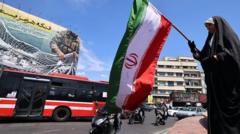
President Donald Trump has escalated rhetoric against Iran with a threat to blockade the Strait of Hormuz, a critical maritime chokepoint for global oil supplies. According to reports from the BBC, this move represents a test of endurance between Iran’s ability to withstand economic and military pressures and Trump’s willingness to bear the political and financial costs of prolonged conflict. The Strait, a narrow waterway between the Persian Gulf and the Gulf of Oman, is vital for the transport of Middle Eastern oil, and any disruption could have severe repercussions for global energy markets.
While no concrete actions have been confirmed, the threat alone raises the stakes in an already volatile region. Analysts suggest that such a blockade could provoke retaliatory measures from Iran, potentially leading to a broader military confrontation. The international community watches closely as this standoff unfolds, with potential ripple effects on oil prices and regional stability.
Ukraine and Russia Trade Accusations Over Ceasefire Violations
Meanwhile, in Eastern Europe, the conflict between Ukraine and Russia shows no signs of abating. Both nations have accused each other of hundreds of ceasefire violations, further straining diplomatic efforts to resolve the ongoing war. Ukrainian President Volodymyr Zelensky has vowed a “symmetrical” response to Russian attacks, signaling a readiness to match aggression with counterattacks, as reported by the BBC.
The accusations come amid stalled peace talks and continued fighting in contested regions. The persistent violence not only exacerbates the humanitarian crisis in Ukraine but also deepens the divide between Russia and Western nations supporting Kyiv. As winter approaches, concerns grow over the impact of the conflict on civilians, with energy shortages and displacement adding to the region’s woes.
Civilian Casualties in Nigeria and Haiti Highlight Global Humanitarian Concerns
Far from the geopolitical chessboard of superpower rivalries, civilian lives are being lost in tragic circumstances. In Nigeria, reports have emerged of an airstrike on a village market, with civilians feared killed. The Nigerian Air Force, tasked with targeting militants in the region, has yet to comment on the incident, leaving questions about accountability and civilian protection unanswered, according to the BBC. Such events underscore the often-blurred lines between military objectives and civilian safety in conflict zones.
Similarly, in Haiti, a crush at a popular tourist site has left at least 30 people feared dead. The incident occurred during a tourist event attended by many young people, as stated by Haiti’s prime minister in a BBC report. This tragedy adds to the Caribbean nation’s mounting challenges, including political instability, economic hardship, and recurring natural disasters. Both incidents in Nigeria and Haiti serve as grim reminders of the human cost of systemic failures and conflict, often overshadowed by larger geopolitical narratives.
The Broader Implications for Global Stability
These disparate events—spanning threats of economic warfare in the Middle East, military escalations in Eastern Europe, and civilian tragedies in Africa and the Caribbean—paint a picture of a world grappling with interconnected crises. The U.S.-Iran tensions threaten global economic stability, while the Ukraine-Russia conflict continues to challenge international norms of sovereignty and territorial integrity. At the same time, civilian casualties in Nigeria and Haiti highlight the urgent need for better mechanisms to protect vulnerable populations during times of conflict and crisis.
As these situations develop, the international community faces difficult questions about intervention, diplomacy, and humanitarian aid. The Strait of Hormuz threat could prompt renewed calls for de-escalation in the Middle East, while Ukraine’s plight may push Western allies to reconsider their military and financial support. Meanwhile, the tragedies in Nigeria and Haiti demand greater attention to civilian safety and crisis response in less geopolitically prominent regions.
Conclusion: A Call for Vigilance and Action
The current state of global affairs is a stark reminder of the fragility of peace and the far-reaching consequences of conflict. From Trump’s provocative stance on Iran to the unrelenting war in Ukraine and the heartbreaking losses in Nigeria and Haiti, the world stands at a crossroads. Governments, international organizations, and citizens alike must remain vigilant, advocating for diplomatic solutions and humanitarian support to mitigate the suffering and instability that define these crises. As events continue to unfold, staying informed and engaged is more critical than ever.
This article is based on factual reporting from:
www.bbc.com — Original Report ↗www.bbc.com — Original Report ↗www.bbc.com — Original Report ↗www.bbc.com — Original Report ↗www.bbc.com — Original Report ↗