Bitcoin Price Remains Bullish Amid Iran Tensions
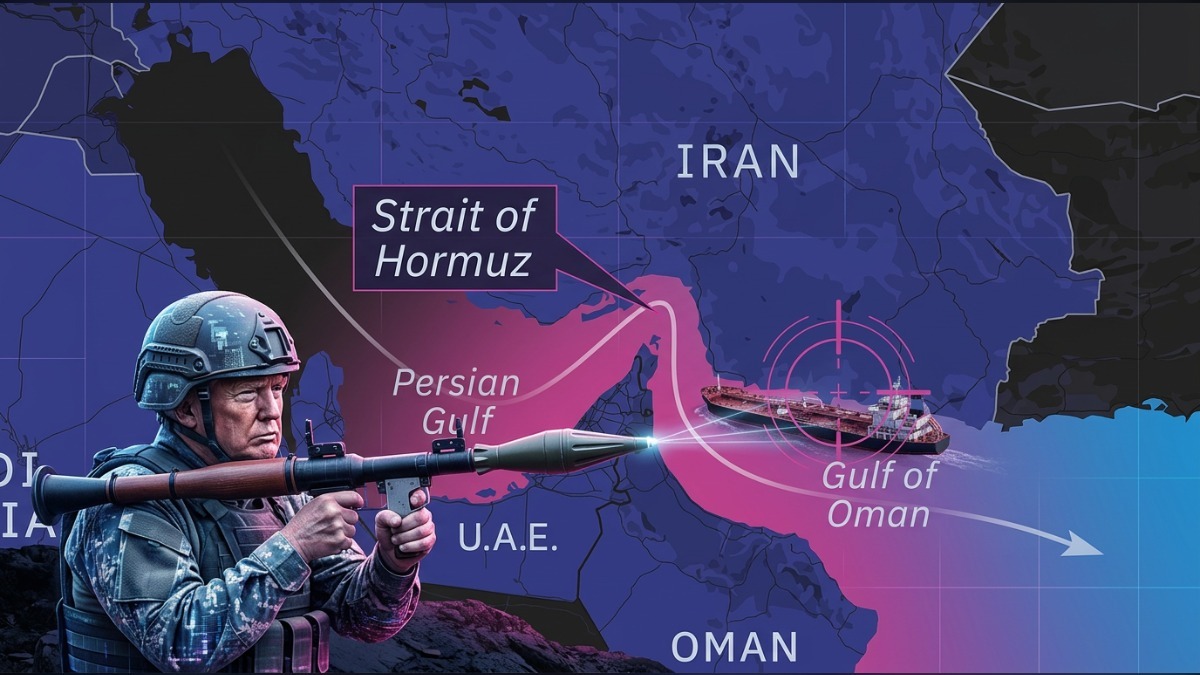
Overview of the Iran War's Impact on Bitcoin
In 2026, the ongoing Iran war continues to create ripples across global financial markets, particularly affecting cryptocurrencies like Bitcoin. The primary catalyst is Iran's regained control of the Strait of Hormuz, a critical chokepoint for global oil shipments, combined with heightened rhetoric from former U.S. President Donald Trump threatening to disrupt Iran's infrastructure. Despite these uncertainties, market analysts from Cryptonews predict a bullish trajectory for Bitcoin, underscoring the asset's resilience amid geopolitical turmoil.
The Strait of Hormuz, located between the Persian Gulf and the Gulf of Oman, has been a flashpoint in the Iran conflict. Reports indicate that Iranian forces have solidified their position in the region, potentially leading to supply disruptions in oil markets. This development has raised concerns about global energy prices, which historically correlate with cryptocurrency volatility. Trump's recent statements, emphasizing potential cyber or physical attacks on Iran's power grid, add another layer of instability, as such actions could escalate the conflict and prompt retaliatory measures.
Detailed Breakdown of the Event
The core event stems from Iran's military maneuvers in early 2026, which have restored their dominance over the Strait of Hormuz. This strategic waterway handles about 20-30% of the world's oil trade, and its instability could lead to immediate spikes in energy costs. According to the primary source, this situation has directly influenced Bitcoin's price dynamics, as investors often turn to digital assets as a hedge against traditional market fluctuations. However, the prediction remains optimistic, with experts citing Bitcoin's decentralized nature and growing institutional adoption as key factors mitigating downside risks.
Trump's involvement escalates the narrative. In statements reported through various channels, he has vowed to 'level Iran's power grid' if provocations continue, which could involve cyber warfare or targeted strikes. This rhetoric, reminiscent of his earlier tenure, introduces uncertainty into global markets. For Bitcoin specifically, such events typically trigger short-term sell-offs due to risk aversion, but the Cryptonews analysis points to underlying bullish indicators, including increasing on-chain activity and positive regulatory developments in major economies.
Implications for the Cryptocurrency Market
The implications of these events are multifaceted. Firstly, heightened geopolitical risks could lead to increased volatility in Bitcoin prices, with potential drops if the conflict intensifies. For instance, if Iran's control over the Strait disrupts oil supplies, it might cause a ripple effect in stock markets, pushing investors towards safe-haven assets like gold or, increasingly, Bitcoin. However, the bullish prediction hinges on Bitcoin's historical performance during crises, where it has often rebounded stronger due to its scarcity and the growing acceptance of blockchain technology.
In 2026, this scenario also highlights the broader implications for blockchain development. As governments and institutions grapple with economic instability, there's a push towards decentralized finance (DeFi) solutions that Bitcoin exemplifies. This could accelerate adoption in regions affected by the conflict, such as the Middle East, where citizens might seek alternatives to traditional banking systems vulnerable to geopolitical disruptions. Moreover, the event underscores the need for robust cybersecurity in crypto networks, given Trump's threats to infrastructure.
- Potential short-term price volatility due to oil market disruptions.
- Long-term bullish outlook driven by institutional investments and regulatory clarity.
- Increased interest in DeFi as a hedge against traditional financial risks.
Contextually, this situation fits into a pattern of crypto market responses to global events. Since Bitcoin's inception, it has weathered numerous crises, from the 2010s financial meltdowns to recent regulatory shifts. In 2026, with Bitcoin's market capitalization exceeding several trillion dollars and widespread ETF integrations, its resilience is more pronounced. Analysts argue that while the Iran war poses immediate challenges, it could ultimately reinforce Bitcoin's role as a digital store of value.
Context and Future Outlook
To provide deeper context, the Iran war's persistence in 2026 reflects ongoing Middle Eastern tensions, exacerbated by energy politics and international alliances. This environment has historically influenced commodity prices, which in turn affect crypto correlations. Cryptonews's bullish stance is based on technical analysis, including upward trends in Bitcoin's moving averages and increasing hash rates, indicating strong network health. Looking ahead, if diplomatic efforts fail, the conflict could prolong market uncertainty, but experts predict that Bitcoin's price could surpass previous highs by mid-2026, driven by innovation in layer-2 solutions and global economic recovery.
In conclusion, while the Iran war and associated threats present significant challenges, the cryptocurrency market's evolution suggests that Bitcoin will navigate these waters successfully. This bullish prediction not only reflects current market data but also the asset's adaptability in a volatile world.