Bittrex Seeks $24M Settlement Refund Over SEC Shift
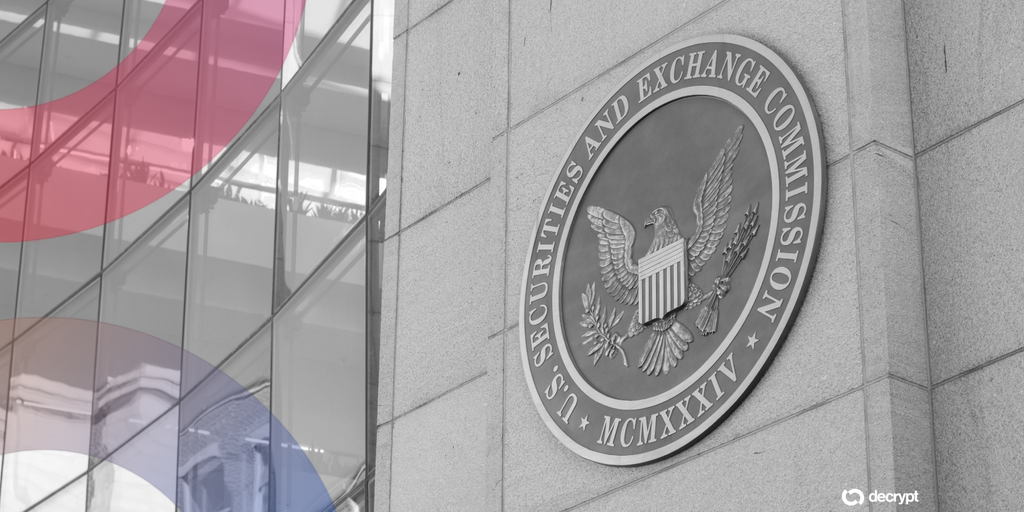
Background of the Bittrex-SEC Dispute
In 2023, Bittrex, once a prominent cryptocurrency exchange, reached a $24 million settlement with the U.S. Securities and Exchange Commission (SEC) to resolve allegations that it had operated an unregistered securities exchange. The SEC claimed that Bittrex allowed the trading of tokens that qualified as securities under U.S. law, without proper registration or exemptions. This settlement marked a significant moment in the ongoing regulatory crackdown on crypto platforms during a period of heightened scrutiny in the early 2020s. Bittrex, facing mounting legal pressures, ultimately shuttered its U.S. operations as part of the fallout, highlighting the challenges crypto firms encountered in navigating an uncertain regulatory landscape.
Fast-forward to 2026, and the crypto industry has undergone notable transformations. Regulatory attitudes toward digital assets have shifted, with the SEC adopting a more accommodating stance under new leadership. This change is attributed to broader market maturation, increased institutional involvement, and political pressures advocating for clearer, innovation-friendly rules. Against this backdrop, Bittrex has filed a motion to reclaim the $24 million it paid in 2023, asserting that the SEC's softened approach renders the original settlement unfair and outdated.
Details of Bittrex's Claim
Bittrex's legal team argues that the SEC's current pro-crypto policies, which include proposed guidelines for token classifications and exemptions for certain decentralized finance (DeFi) activities, directly contradict the regulatory environment at the time of the settlement. In court documents, Bittrex contends that if the SEC had maintained its earlier aggressive posture, the exchange might have fought the charges more vigorously. The request for a refund is based on the premise that the settlement was extracted under duress, amid what Bittrex describes as an overly broad interpretation of securities laws that no longer aligns with federal priorities in 2026.
Legal experts suggest that Bittrex's move could set a precedent for other crypto entities that settled with regulators in previous years. The case is being heard in a federal court, where Bittrex must demonstrate that the SEC's policy evolution constitutes a material change warranting restitution. This development comes as the crypto market has stabilized, with Bitcoin and Ethereum now integrated into mainstream finance, partly due to regulatory clarifications that have encouraged innovation rather than stifled it.
Implications for the Crypto Industry
The Bittrex case underscores the evolving dynamics of cryptocurrency regulation in 2026, where agencies like the SEC are balancing investor protection with the need to foster technological advancement. A successful refund could embolden other firms to challenge past settlements, potentially leading to a wave of litigation that tests the boundaries of regulatory flexibility. For instance, if Bittrex prevails, it might prompt the SEC to revisit enforcement actions from the crypto winter of 2022-2023, when dozens of exchanges faced similar accusations.
From an industry perspective, this shift benefits the broader ecosystem by reducing the financial burdens on compliant operators. In 2026, with cryptocurrencies playing a larger role in global finance—evidenced by widespread adoption in payment systems and institutional investments—a pro-crypto SEC could accelerate innovation in areas like blockchain-based smart contracts and decentralized applications. However, critics warn that such reversals might undermine regulatory consistency, potentially eroding investor confidence if rules appear too malleable.
Moreover, the case highlights ongoing tensions between innovation and oversight. Advocates for stricter regulations argue that the SEC's pivot could expose consumers to risks if past violations are overlooked, while pro-crypto voices celebrate it as a step toward equitable treatment. This situation also reflects global trends, as other jurisdictions like the European Union and Singapore have already implemented comprehensive crypto frameworks, putting pressure on U.S. regulators to adapt.
Potential Outcomes and Future Context
- Bittrex could recover the full amount, strengthening arguments for retroactive relief in similar cases.
- The court might deny the request, affirming the SEC's authority to enforce past decisions regardless of policy changes.
- A partial settlement could emerge, offering a compromise that addresses both parties' concerns.
As the crypto sector continues to mature in 2026, cases like this one illustrate the importance of adaptive regulations that support growth without compromising accountability. The outcome of Bittrex's petition will likely influence how future disputes are handled, shaping the regulatory environment for years to come. Ultimately, this development signals a pivotal moment in U.S. crypto policy, where past enforcement meets present realities.
Conclusion
In summary, Bittrex's bid to reclaim its $24 million settlement reflects the SEC's transition to a more pro-crypto stance in 2026, challenging the validity of earlier regulatory actions. This case not only seeks financial restitution but also probes the depths of regulatory evolution in the digital asset space. As stakeholders await the court's decision, the crypto community watches closely, hopeful that it will pave the way for a more balanced and forward-thinking regulatory framework.