BONK's Nom Highlights Risks in Memecoin Trading at Consensus
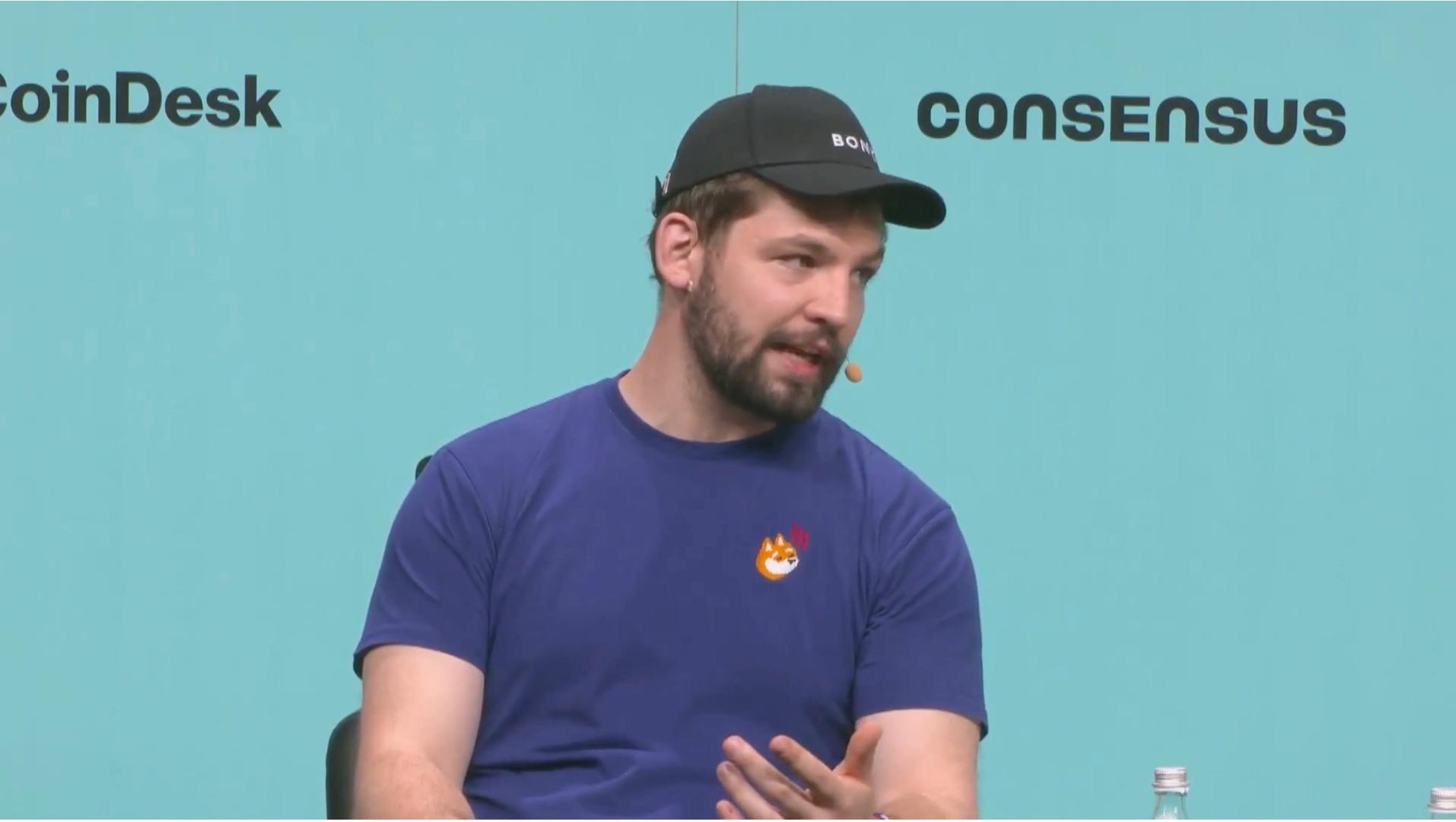
In a striking presentation at the Consensus conference held in Austin, Texas, on May 6, 2026, BONK's core contributor, known as Nom, shed light on the high-stakes world of memecoin trading. Nom argued that these volatile assets carry what he described as 'seven-leg' parlay odds, a term borrowed from sports betting that signifies an extraordinarily low probability of success across multiple interconnected events. This revelation comes amid a broader surge in memecoin popularity, where retail investors are increasingly drawn to the potential for quick gains, but at significant risk.
Details of Nom's Presentation
During his session at Consensus, one of the crypto industry's premier events, Nom delved into the mechanics of memecoin trades. He explained that a 'seven-leg' parlay refers to the complex chain of events required for a memecoin to succeed, including factors like viral social media buzz, market liquidity, regulatory avoidance, and sustained community interest. For BONK, a memecoin inspired by internet culture and dog-themed tokens, Nom positioned it as a case study in this ecosystem. He emphasized that memecoins often skip established financial rails such as exchange-traded funds (ETFs) or public company listings, which provide layers of oversight and stability. This shortcut, Nom asserted, leads to outcomes that 'rinse retail'—a colloquialism for leaving everyday investors financially drained due to unpredictable volatility and lack of protections.
Nom's comments were delivered in a packed auditorium, where he used slides and real-time data to illustrate how memecoin projects like BONK rely heavily on speculative betting rather than fundamental value. He pointed out that in 2026, the memecoin market has grown exponentially, with trading volumes surpassing previous years, driven by platforms like decentralized exchanges. Yet, this growth masks the inherent risks, as the 'seven-leg' parlay odds imply that only a minuscule percentage of trades result in profits, while many more lead to losses for unprepared participants.
Implications for Retail Investors and the Market
The implications of Nom's warnings are profound for the retail investor base, which forms the backbone of the crypto market in 2026. By bypassing ETFs and public-company structures, memecoins evade the rigorous due diligence and transparency requirements that could safeguard investors. This practice, according to Nom, creates an environment ripe for manipulation, where pump-and-dump schemes or sudden market dumps can wipe out retail holdings overnight. In the current landscape, with regulatory bodies like the SEC intensifying scrutiny on crypto assets, Nom's remarks serve as a timely reminder of the need for greater education and self-regulation within the community.
Furthermore, Nom highlighted how this trend could impact broader market stability. In 2026, as institutional investors increasingly enter the space, the unchecked proliferation of high-risk memecoins might lead to contagion effects, where a single project's failure triggers wider sell-offs. He advocated for memecoin developers to adopt hybrid models that incorporate elements of traditional finance, such as tokenized assets or compliance frameworks, to mitigate these risks and build long-term sustainability.
- Key risk: The 'seven-leg' parlay odds underscore the low success rate of memecoin investments.
- Market impact: Potential for increased volatility and regulatory backlash.
- Investor advice: Retail participants should prioritize due diligence and diversify portfolios beyond speculative assets.
Context Within the Evolving Crypto Landscape of 2026
By 2026, the crypto market has matured significantly, with memecoins representing a double-edged sword in this evolution. While tokens like BONK have democratized access to finance through meme-driven narratives and community engagement, they also exemplify the speculative excesses that defined earlier crypto booms. Nom's discussion at Consensus places this in context, noting that the post-2024 regulatory reforms—such as enhanced KYC requirements and token classification guidelines—have pushed many projects toward safer practices. However, memecoins often operate in gray areas, leveraging anonymity and decentralization to attract risk-tolerant users.
In this environment, BONK has emerged as a prominent player, with its ecosystem expanding to include staking rewards and NFT integrations. Nom, as a core contributor, used his platform to call for introspection within the BONK community, urging creators to prioritize user protection over rapid growth. This perspective aligns with industry trends, where figures from major exchanges and blockchain projects are advocating for ethical standards to prevent the 'rinse retail' phenomenon from undermining public trust.
Overall, Nom's insights at Consensus underscore a critical juncture for memecoins in 2026, where the balance between innovation and investor safety is more important than ever. As the market continues to evolve, his warnings could catalyze discussions on reforming memecoin practices, potentially leading to new guidelines that protect retail investors without stifling creativity.
Conclusion
In wrapping up his presentation, Nom reiterated that while memecoins like BONK offer exciting opportunities, the 'seven-leg' parlay odds serve as a stark cautionary tale for the unwary. This event at Consensus not only highlighted the vulnerabilities in current trading models but also paved the way for ongoing debates on sustainable crypto growth. As the industry moves forward, stakeholders must address these risks to ensure a more equitable and resilient market for all participants.
This article is based on factual reporting from:
www.coindesk.com — Original Report ↗