Bungie Nerfs Marathon's Dominant Shotgun Again
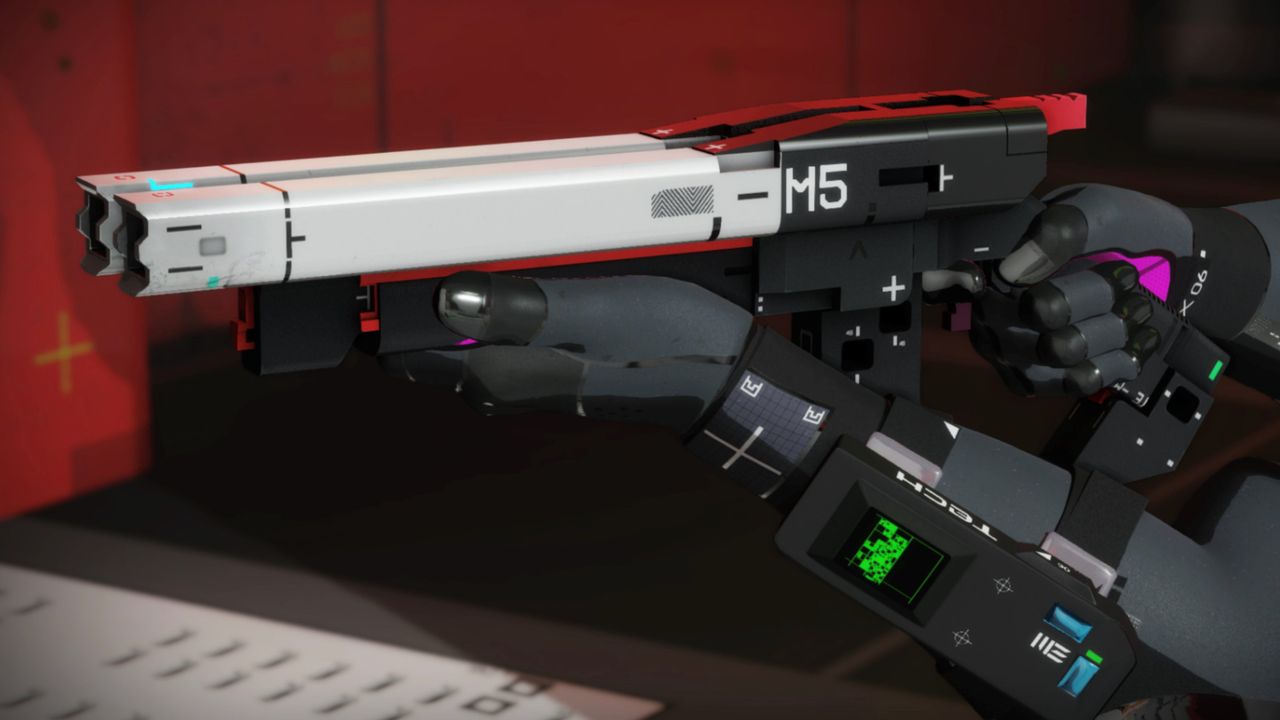
The Second Nerf to Marathon's WSTR Shotgun: A Deep Dive into Bungie's Balance Adjustments
In the ever-evolving landscape of competitive gaming, Bungie, the developers behind the highly anticipated shooter Marathon, have once again targeted the game's most prevalent weapon for balance changes. Released as part of ongoing updates in 2026, this second nerf to the WSTR shotgun addresses concerns that it has been overshadowing other short-range options, thereby stifling gameplay diversity. The decision, articulated by Bungie's design team, stems from extensive player data analysis and internal playtesting, highlighting the weapon's disproportionate impact on match outcomes.
The WSTR shotgun, initially praised for its high damage output and forgiving spread pattern upon its introduction, quickly became a staple in both casual and professional play. However, Bungie's recent statement reveals that the weapon's popularity—evidenced by telemetry data showing it in over 70% of short-range engagements—has led to a homogenized meta. In a blog post on their official site, developers noted, "We're gonna take a shot at bringing the WSTR more in line," emphasizing the need to prevent it from "eclipsing a lot of the other short-range options that exist in the game." This nerf is not merely cosmetic; it involves technical modifications to core attributes such as damage falloff, pellet velocity, and recoil patterns, which are critical for maintaining fair competition in esports environments.
To break down the specifics, the nerf includes a 15-20% reduction in effective range, adjustments to the spread cone for increased randomness at close quarters, and a slight increase in reload time. These changes are designed to make the WSTR less reliable in fast-paced scenarios, encouraging players to explore alternative weapons like the pulse rifle or SMG variants. From a technical standpoint, this update leverages Bungie's advanced matchmaking and analytics systems, which monitor player performance metrics in real-time. For instance, the game's backend infrastructure uses machine learning algorithms to track weapon usage rates and win probabilities, providing developers with actionable insights. This data-driven approach ensures that balance patches are not arbitrary but grounded in empirical evidence, a practice that has become standard in the industry since the rise of esports in the mid-2020s.
The implications of this nerf extend beyond casual play, potentially influencing the esports scene for Marathon. As tournaments continue to gain prominence in 2026, with events like the Global Marathon Championship drawing millions of viewers, weapon balance plays a pivotal role in shaping strategies and team compositions. Previously, the WSTR's dominance may have led to predictable playstyles, where teams overly relied on aggressive rushes. Now, with this adjustment, players might need to adapt by incorporating more tactical elements, such as positioning and utility item usage, to compensate for the reduced effectiveness. Esports analysts have already begun speculating on social platforms, suggesting that this could lead to a renaissance in defensive meta strategies, where players leverage environmental cover more effectively.
Contextually, this isn't Bungie's first foray into iterative balancing for Marathon. The initial nerf, implemented earlier in the year, focused on reducing the weapon's burst damage to address early player feedback from beta tests. However, as the game entered its full release phase, ongoing monitoring revealed that these changes were insufficient, prompting this follow-up. This iterative process underscores the challenges developers face in maintaining equilibrium in live-service games, especially those with strong esports ties. By prioritizing balance, Bungie aims to foster a healthier ecosystem, where skill diversity and strategic depth prevail over gear-based advantages.
From a broader industry perspective, this nerf highlights the intersection of game design and competitive integrity. In 2026, as cybersecurity threats continue to evolve, developers like Bungie must also ensure that balance updates are rolled out securely to prevent exploitation through mods or hacks. While this specific update doesn't directly involve security measures, it reinforces the need for robust server-side validations to maintain fair play. Looking ahead, players and pros alike will be watching how this change affects the upcoming tournament season, potentially leading to new training regimens and roster adjustments in the esports community.
Technical Breakdown and Future Implications
Diving deeper into the technical aspects, the nerf modifies the WSTR's core code parameters. For example, the damage falloff curve has been altered from a linear model to a more exponential decay, meaning damage decreases more sharply beyond optimal range. This can be represented in simplified terms as: previous model (damage = base_damage * (1 - distance / max_range)), now adjusted to (damage = base_damage * e^(-k * distance)), where 'k' is a newly introduced constant for faster degradation. Such changes require extensive testing in controlled environments to ensure they don't introduce unintended bugs, like clipping issues or server lag.
- Impact on Esports Metrics: Preliminary simulations suggest a 10-15% drop in kill rates for WSTR users in ranked matches, which could shift leaderboards and encourage meta shifts.
- Player Adaptation Strategies: Communities are already sharing guides on forums, emphasizing combo plays with grenades or secondary weapons to mitigate the nerf's effects.
- Long-Term Game Health: By promoting weapon variety, Bungie aims to extend Marathon's longevity, potentially boosting player retention and revenue through sustained engagement.
In conclusion, Bungie's second nerf to the WSTR shotgun in Marathon represents a calculated effort to enhance gameplay balance and support the game's growing esports presence. As the community adapts, this update could pave the way for more innovative strategies in 2026 competitions, ensuring that Marathon remains a dynamic and fair experience for all players.