Ceasefire Takes Effect Between Lebanon and Israel
The Ceasefire Agreement: Key Details
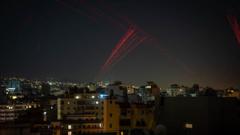
In a significant development amid escalating tensions in the Middle East, a 10-day ceasefire between Lebanon and Israel officially took effect on April 17, 2026. This truce marks a temporary halt to hostilities that have plagued the border regions for months, offering a fragile window for diplomatic efforts. The agreement, brokered through indirect channels, includes provisions for monitoring compliance and facilitating humanitarian aid, though specific enforcement mechanisms remain under discussion.
The ceasefire was announced following intense diplomatic exchanges, with the United States playing a pivotal role in mediating between the involved parties. According to reports from reliable sources, the truce aims to de-escalate violence along the Lebanon-Israel border, where skirmishes involving artillery exchanges and aerial operations have resulted in casualties and displacement. This pause in fighting is seen as a critical step toward broader regional stability, particularly given the involvement of external actors.
Context of the Conflict
The longstanding rivalry between Lebanon and Israel dates back decades, rooted in territorial disputes, security concerns, and proxy influences from regional powers. In recent years leading up to 2026, tensions have intensified due to cross-border incursions and accusations of violations of international law. Lebanon's political landscape, heavily influenced by Iran-backed Hezbollah, has complicated efforts at resolution, as the group maintains a significant military presence near the border.
Hezbollah, designated as a terrorist organization by several nations including the US and Israel, has publicly voiced support for the ceasefire. In statements released through their media channels, Hezbollah leaders described the truce as a "positive step" that aligns with their strategic interests, emphasizing the need for Israel to adhere to the terms. This endorsement underscores the group's role in Lebanese politics and its connections to Iran, which has been a key supplier of weapons and funding.
Simultaneously, negotiations between the US and Iran continue to play a backdrop to this ceasefire. The US, under its current administration, has been pushing for de-escalation in the region as part of broader efforts to revive nuclear talks and reduce Iranian influence. These discussions, held in neutral locations, focus on ensuring that the truce leads to more permanent arrangements, potentially involving disarmament or border demarcations.
Implications and Potential Outcomes
The 10-day ceasefire carries significant implications for the region. On one hand, it provides an opportunity for civilians in affected areas to return to their homes and for aid organizations to deliver essential services. Experts suggest that this period could be used to build confidence between the parties, possibly leading to extended truces or formal peace talks. However, the short duration raises concerns about the sustainability of peace, as historical precedents show that temporary ceasefires often collapse without underlying resolutions.
Regionally, this development could influence dynamics in neighboring countries like Syria and Iran. A successful truce might encourage similar de-escalations elsewhere, such as in the Gaza Strip, while a failure could escalate tensions and draw in other actors, including Russia or European nations. The US-Iran negotiations add another layer, as any progress there could lead to eased sanctions on Iran, potentially affecting Hezbollah's capabilities and Lebanon's economy.
From an economic perspective, the ceasefire is expected to alleviate some pressures on Lebanon's already strained infrastructure. The country, grappling with economic collapse and refugee crises, stands to benefit from reduced military expenditures and increased foreign investment if stability holds. Conversely, Israel views the truce as a chance to redirect resources toward domestic priorities, including technological advancements and internal security.
Challenges and Risks Ahead
Despite the optimism, several risks threaten the ceasefire's success. Violations, whether intentional or accidental, could reignite conflict, especially given the porous nature of the Lebanon-Israel border. International observers, potentially from the United Nations, are expected to monitor the situation, but their effectiveness depends on cooperation from both sides. Hezbollah's involvement adds complexity, as any perceived aggression from Israel might prompt the group to act independently, undermining the truce.
Furthermore, the ongoing US-Iran talks introduce variables that could either bolster or jeopardize the agreement. If negotiations stall, Iran might increase support for its proxies, prolonging instability. Analysts in 2026 highlight the need for inclusive dialogue that involves all stakeholders, including Lebanon's government and civil society, to address root causes like water rights and historical grievances.
In conclusion, this 10-day ceasefire represents a pivotal moment in Lebanon-Israel relations, offering a glimmer of hope in a volatile region. As the world watches, the success of this truce will depend on the commitment of all parties and the outcomes of parallel diplomatic efforts. The international community remains vigilant, emphasizing the importance of transforming this temporary measure into a lasting peace.
- Key elements of the truce: 10-day duration, monitoring mechanisms, and humanitarian focus.
- Involved parties: Lebanon, Israel, Hezbollah, US, and Iran.
- Broader context: Part of wider Middle East de-escalation efforts.