Daily Fitness Protocols for Enhanced Wellness in 2026
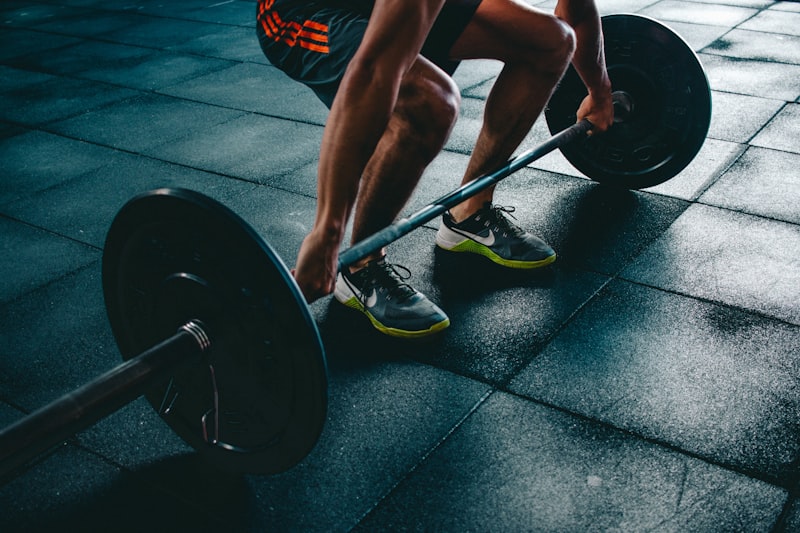
As we navigate the fast-paced demands of modern life in 2026, adopting a structured daily fitness protocol has emerged as a cornerstone for maintaining optimal health and vitality. Drawing from expert insights on essential health advice, this routine focuses on practical, everyday exercises that can be seamlessly integrated into anyone's schedule, promoting long-term wellness without overwhelming commitments. Whether you're a busy professional, a parent, or someone seeking to reclaim energy after years of sedentary habits, these protocols are designed to be accessible, effective, and enjoyable, fostering a balanced lifestyle that prioritizes both body and mind.
The Core Elements of a Daily Fitness Protocol
At the heart of this 2026 wellness trend is a streamlined daily fitness protocol that combines cardiovascular activity, strength training, flexibility exercises, and mindfulness practices. Experts recommend starting with just 20-30 minutes a day, making it feasible for even the most time-constrained individuals. For instance, a typical routine might include a brisk 10-minute walk or jog to elevate the heart rate, followed by bodyweight exercises like squats, push-ups, and planks to build muscle endurance. This approach isn't about intense gym sessions; it's about consistency and building habits that stick.
One key aspect highlighted in recent discussions is the importance of personalization. Health advisors suggest tailoring the protocol to individual needs, such as incorporating low-impact activities for those with joint concerns or adding high-intensity intervals for athletes. In 2026, with growing awareness of holistic health, routines often integrate elements like yoga or tai chi to enhance flexibility and reduce stress, addressing the mental health epidemic that has persisted post-pandemic. The protocol's flexibility ensures it can evolve with your life stages, from managing work stress to supporting recovery from illness.
Implications for Everyday Life
Implementing a daily fitness protocol carries profound implications for personal health and broader societal well-being. Studies referenced in health forums indicate that regular, moderate exercise can lower the risk of chronic conditions like heart disease, diabetes, and obesity by up to 30%, based on data from global health organizations. For the average person, this means not only physical benefits but also improved cognitive function, better sleep quality, and enhanced mood regulation. In a year like 2026, where remote work and digital fatigue are common, these routines serve as a vital counterbalance, helping individuals reclaim control over their energy levels and mental clarity.
Moreover, the economic impact is noteworthy. By prioritizing preventive health through daily protocols, communities could see reduced healthcare costs and increased productivity. Employers in 2026 are increasingly offering wellness programs that incorporate these routines, recognizing that healthier employees lead to fewer sick days and higher morale. This shift underscores a cultural move towards proactive health management, where daily exercise is viewed not as a chore but as an investment in one's future.
Context and Expert Advice for Success
To provide context, this trend builds on years of research into human physiology and behavior change. Experts like certified fitness coaches emphasize the 'habit loop'—starting small to build momentum and gradually increasing intensity to avoid burnout. For example, beginners might begin with simple daily walks, progressing to full-body workouts over weeks. A sample protocol could look like this:
- Morning: 10 minutes of stretching and light cardio to wake up the body and mind.
- Midday: A 5-10 minute break for desk-based exercises, such as wall sits or arm circles, to combat sedentary work habits.
- Evening: 15 minutes of strength training or yoga to unwind and promote recovery.
- Daily tracking: Use a journal or app to monitor progress, ensuring accountability without overwhelming technology.
In 2026, the emphasis is on community support, with online forums and local groups sharing success stories to inspire others. However, it's crucial to consult healthcare professionals before starting, especially for those with pre-existing conditions, to ensure safety and effectiveness. This protocol isn't a one-size-fits-all solution but a adaptable framework that empowers individuals to take charge of their health journey.
Why This Matters in 2026
As environmental challenges and lifestyle shifts continue to affect global health, adopting a daily fitness protocol offers a resilient response. It encourages sustainable habits that align with eco-friendly living, such as outdoor activities that connect people with nature, reducing the carbon footprint while enhancing well-being. The long-term implications include stronger communities, reduced healthcare burdens, and a generation that values preventive care. Ultimately, by embracing these routines, individuals can achieve not just physical fitness but a fuller, more vibrant life, setting the stage for healthier futures.
In conclusion, the daily fitness protocol represents a practical, evidence-based approach to wellness that is more relevant than ever in 2026. By committing to these simple yet powerful habits, anyone can unlock greater energy, resilience, and joy in their daily lives, paving the way for sustained health benefits that last a lifetime.