Embark Studios Shifts Arc Raiders Updates to Biannual Schedule
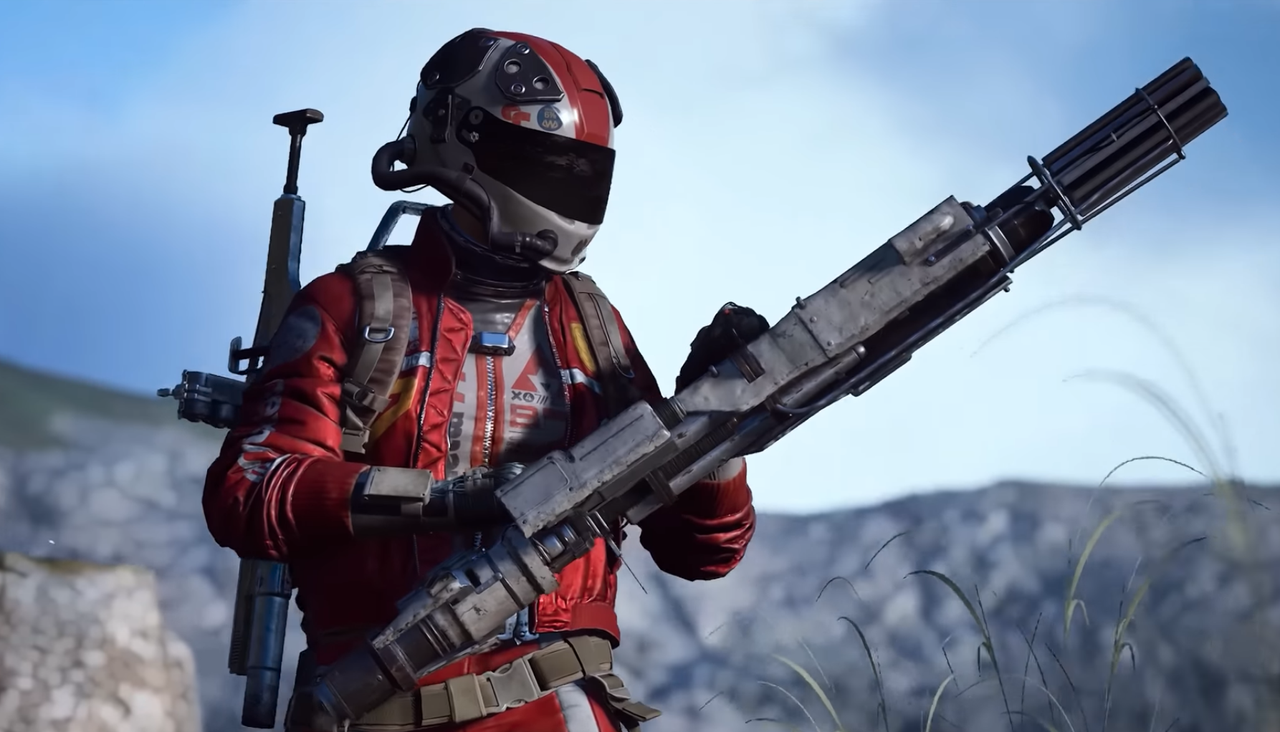
Embark Studios Adjusts Update Frequency for Arc Raiders Amid Development Challenges
In a significant development for the gaming industry, Embark Studios, the developer behind the popular third-person shooter Arc Raiders, has decided to extend its update cycle from monthly releases to major updates every six months. This change, announced in a detailed statement, stems from the mounting pressures associated with maintaining a fast-paced release schedule. The decision underscores the broader challenges developers face in balancing innovation, quality assurance, and community expectations in an increasingly competitive market.
Arc Raiders, which launched to critical acclaim for its tactical gameplay and immersive world-building, has been a staple in the shooter genre since its debut. However, the relentless demand for monthly content updates has reportedly strained the studio's resources. According to the announcement, this accelerated pace has led to compromises in update quality, potentially affecting player experience and long-term game stability. By slowing down to a biannual schedule, Embark aims to deliver more polished and substantial content patches, allowing for deeper integration of player feedback and thorough testing protocols.
The upcoming Frozen Trails update, slated for October 2026, exemplifies this new approach. Described as the largest map addition to date, Frozen Trails promises to expand the game's universe with expansive, snow-covered terrains that introduce new environmental challenges and strategic elements. This update will feature enhanced AI behaviors for enemies, improved physics simulations for dynamic weather effects, and optimized network performance to handle larger player sessions. These technical enhancements are expected to reduce latency issues and improve overall server responsiveness, which have been points of contention in previous patches.
Implications for Game Development and Player Communities
This shift in update strategy has far-reaching implications for both developers and players. For Embark Studios, adopting a slower release cycle allows for more rigorous quality control measures, including extended beta testing phases and iterative refinements based on real-time data analytics. In an era where games are increasingly complex, with intricate multiplayer systems and expansive content libraries, such measures are crucial to preventing bugs that could disrupt gameplay or expose vulnerabilities. While the primary source does not delve into security specifics, the emphasis on thorough updates indirectly supports better maintenance of game integrity, as rushed patches have historically been vectors for exploits in online titles.
For the player base, this change means a recalibration of expectations. Monthly updates have become a norm in live-service games, fostering a sense of ongoing engagement through fresh content. However, the trade-off is evident: larger, more impactful updates every six months could lead to richer storytelling and gameplay mechanics, as seen in the Frozen Trails expansion. This update will reportedly include new weapon customization options, with procedurally generated parts that adapt to player playstyles, enhancing personalization without overwhelming server demands. Players can anticipate features like advanced matchmaking algorithms that prioritize skill-based groupings, potentially reducing toxicity in competitive modes.
From a business perspective, this decision aligns with industry trends where studios are prioritizing sustainability over rapid content churn. Competitors like other AAA developers have faced similar dilemmas, where frequent updates sometimes lead to feature bloat or diminished polish. By focusing on quality, Embark positions Arc Raiders for longevity, potentially attracting a more dedicated audience willing to wait for meaningful additions rather than incremental changes.
Context and Future Outlook for Arc Raiders
Arc Raiders, developed by Embark Studios—a team with roots in high-profile projects—has carved a niche in the third-person shooter market through its blend of extraction-based gameplay and cooperative elements. The game's core mechanics, which involve resource management and tactical decision-making, have drawn comparisons to titles like Escape from Tarkov, emphasizing survival and strategy over pure action. This update strategy shift comes at a time when the gaming landscape is evolving, with players demanding more from their experiences in terms of depth and replayability.
Looking ahead, the biannual model could set a precedent for how live-service games are managed in 2026 and beyond. It encourages a more measured approach to content delivery, where each update serves as a milestone rather than a routine fix. The Frozen Trails update, in particular, is poised to be a game-changer, introducing not only the largest map but also narrative expansions that tie into the game's lore, fostering greater immersion. This could strengthen community bonds through organized events and user-generated content initiatives.
Ultimately, Embark's proactive response to development pressures highlights the need for adaptive strategies in game design. As the industry continues to grow, such decisions will play a pivotal role in maintaining player satisfaction and ensuring the sustained success of titles like Arc Raiders. This move, while a departure from the status quo, promises to elevate the game's quality and player experience in the long run.