ENVY Drops Canezerra Over Riot's 1-Year Hardware Ban
Introduction to the Ban and Roster Change
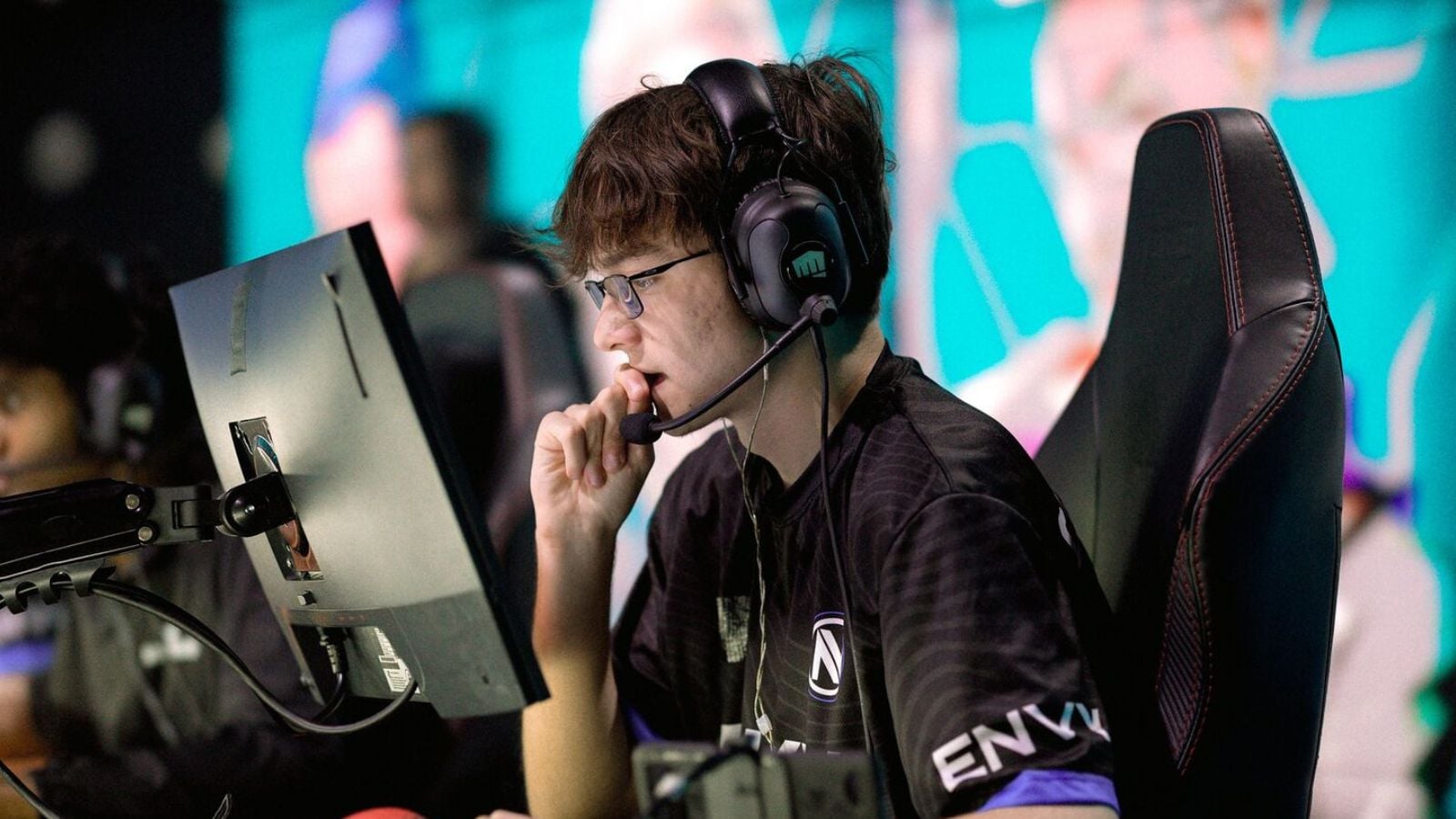
In a decisive move within the competitive VALORANT scene, esports organization ENVY has parted ways with professional player Canezerra after Riot Games enforced a one-year hardware ban due to confirmed behavioral misconduct. This development, reported on April 17, 2026, underscores the stringent enforcement of digital ethics in esports and highlights the repercussions for high-profile players. The ban, issued by Riot, prevents Canezerra from using specific hardware in official tournaments, effectively sidelining him from competitive play for the duration.
The incident stems from allegations of behavioral misconduct, which, while not detailed in the primary source, typically encompasses actions such as cheating, harassment, or manipulation of game systems in Riot's ecosystem. This hardware ban is a technical measure that restricts the use of certain devices, potentially including gaming rigs or peripherals linked to the misconduct, to maintain the integrity of VALORANT's competitive environment. For ENVY, a team known for its strategic prowess in esports, this roster shakeup arrives at a critical juncture in the tournament calendar.
Detailed Breakdown of the Event
The core of this story revolves around Riot Games' hardware ban policy, a cybersecurity-adjacent mechanism designed to deter and penalize digital infractions. In VALORANT, hardware bans are implemented through Riot's anti-cheat software, Vanguard, which monitors system-level activities to detect anomalies. According to the ban details, Canezerra's misconduct likely involved behaviors that compromised fair play, such as unauthorized software modifications or hardware alterations that provided an unfair advantage.
ENVY's decision to drop Canezerra was immediate and strategic, as teams must adhere to Riot's rules to participate in sanctioned events. The player's contract termination reflects the broader implications of such bans, which can extend beyond temporary suspensions to full hardware restrictions. This ban, lasting one year, means Canezerra cannot utilize banned hardware in any Riot-affiliated competitions, potentially affecting his ability to stream, practice, or compete informally until the restriction is lifted. Industry experts note that these bans often involve forensic analysis of hardware logs, where Riot's security team identifies and flags devices based on detected violations.
From a technical standpoint, hardware bans in esports like VALORANT represent an evolution in cybersecurity practices. Riot employs advanced detection algorithms that scan for rootkits, cheats, or manipulated drivers, ensuring that players cannot bypass anti-cheat measures. This incident serves as a case study in how digital threats—such as those posed by hardware tampering—can infiltrate competitive gaming, mirroring real-world cybersecurity vulnerabilities in online infrastructures.
Implications for Esports and Involved Parties
The fallout from this ban extends beyond Canezerra and ENVY, impacting the wider esports ecosystem. For Canezerra, a prodigy in the VALORANT scene, this represents a substantial career setback. He must now navigate rehabilitation, potentially including appeals processes or mandatory training on ethical gaming practices, to regain eligibility. This could delay his participation in major tournaments, such as the upcoming VALORANT Champions series, where ENVY was expected to contend.
ENVY faces immediate roster challenges, needing to recruit a replacement to maintain competitiveness. The organization's decision highlights the business risks in esports, where player misconduct can lead to sponsorship losses, fan backlash, and disqualification from events. In 2026, with esports viewership reaching new heights, teams like ENVY must prioritize player vetting and compliance to safeguard their brand.
On a larger scale, this event reinforces Riot's commitment to cybersecurity and fair play, deterring potential offenders across the industry. Behavioral misconduct not only disrupts game balance but also exposes vulnerabilities in online platforms, akin to data breaches in other sectors. Esports organizations may respond by enhancing internal security protocols, such as routine hardware audits and behavioral training, to mitigate similar risks.
Context Within the VALORANT Esports Landscape
VALORANT, developed by Riot Games, has become a cornerstone of modern esports since its launch in 2020, with 2026 seeing expanded global tournaments and prize pools exceeding millions. Riot's enforcement of hardware bans is part of a broader strategy to combat digital threats, including hacks and exploits that have plagued online gaming. This incident occurs amidst a wave of increased scrutiny on player conduct, following high-profile cases in other titles like League of Legends.
Historically, Riot has utilized a tiered punishment system, escalating from account suspensions to permanent hardware bans for repeated offenses. Canezerra's case exemplifies how these measures protect the ecosystem, ensuring that esports remains a merit-based competition. As the industry evolves, stakeholders are pushing for standardized cybersecurity frameworks, potentially influencing future game development and tournament regulations.
In conclusion, this event serves as a stark reminder of the intersection between esports and digital security. With behavioral misconduct on the rise, players and teams must adapt to rigorous standards to thrive. As of April 2026, the esports community watches closely to see how ENVY rebuilds and whether Canezerra can make a comeback, all while Riot continues to fortify its defenses against emerging threats.
- Key takeaway: Hardware bans are a critical tool in maintaining esports integrity.
- Potential future impact: Stricter regulations could reshape team management practices.
- Broader context: This aligns with ongoing efforts to secure online gaming platforms.