Farming Sim Genre Breaks Decade-Long Formula Stagnation

After nearly a decade defined by an established formula largely influenced by the success of Stardew Valley, the farming simulation genre is experiencing a significant revitalization with a new wave of innovative titles, signaling a profound shift in its core design principles and player engagement paradigms.
Farming Sim Genre Breaks Decade-Long Formula Stagnation
The gaming industry is witnessing a notable evolution within the farming simulation genre, a segment that has, for nearly a decade, largely adhered to a successful yet increasingly predictable formula. Since the monumental impact of titles like Stardew Valley in the mid-2010s, developers have often replicated established mechanics, progression loops, and thematic elements, leading to a period of creative inertia. However, as of late 2026, a burgeoning collection of new entries is decisively breaking this mold, injecting unprecedented freshness and innovation into the genre.
The Anatomy of a Stagnant Formula
For years, the blueprint for a successful farming sim was clear: acquire land, cultivate crops, raise livestock, engage with a local community through social mechanics, explore dungeons for resources, and upgrade tools and homesteads. This core loop, while immensely satisfying and critically acclaimed in its prime, became a pervasive standard. The entrenchment of this formula, while providing a comfortable and familiar experience for players, inadvertently stifled broader innovation. Developers often found themselves optimizing within existing frameworks rather than conceptualizing entirely new approaches to resource management, economic systems, or narrative integration. This adherence, while ensuring market viability for many independent studios, inadvertently created a landscape where truly novel gameplay mechanics or thematic deviations were rare, leading to a perceived homogeneity across new releases.
Decade of Duplication: Industry Implications
The decade of formulaic adherence had several industry implications. On one hand, it lowered the barrier to entry for new developers, providing a proven template for success. This led to a proliferation of titles, some of which offered minor quality-of-life improvements or aesthetic variations, but few dared to fundamentally challenge the genre's established pillars. From a business perspective, this created a competitive landscape where differentiation was often superficial, relying on art style or narrative flavor rather than core gameplay innovation. Player expectations, too, became conditioned to this formula, making it a risk for developers to deviate too significantly, fearing a backlash from a player base accustomed to a specific play pattern. This feedback loop contributed to the prolonged stagnation, as both producers and consumers tacitly reinforced the status quo.
The Catalyst for Change: A New Crop Emerges
The current shift, marked by a “crop of new entries,” signifies a critical turning point. While specific titles are yet to dominate the discourse as Stardew Valley once did, the collective emergence indicates a broader industry trend towards diversification. This revitalization is likely driven by several factors:
- Market Saturation: The sheer volume of formulaic farming sims may have finally reached a point where basic replication no longer guarantees success, forcing developers to innovate to capture attention.
- Developer Ambition: A new generation of game designers, or seasoned veterans seeking new challenges, are likely exploring how to expand the definition of what a farming sim can be, integrating elements from other genres or introducing entirely new core mechanics.
- Player Demand for Novelty: After a decade, even the most dedicated fans of the genre are likely craving fresh experiences that transcend the traditional harvest-and-sell loop.
These new titles are reportedly experimenting with advanced procedural generation for dynamic world states, more complex AI for NPC interactions that impact gameplay, and novel economic systems that extend beyond simple supply and demand. The emphasis is shifting from merely simulating farm life to integrating deeper strategic, narrative, or even ecological management elements, pushing the boundaries of player agency and long-term engagement.
Redefining Genre Boundaries and Player Engagement
The implications of this genre revitalization are significant. For players, it means a wider array of choice and a potential for deeper, more varied experiences. The 'fresher than ever' sentiment suggests that these new entries are not merely iterating on old ideas but are actively challenging and expanding the definition of a farming simulation. This could involve:
- Advanced Resource Management: Moving beyond simple crop rotation to complex ecological systems, soil health degradation, or advanced water management.
- Dynamic Narrative Integration: Where player actions on the farm directly influence community stories, political landscapes, or even global economies.
- Hybrid Genre Mechanics: Blending farming with survival, base-building, RPG elements, or even strategic simulation in more sophisticated ways than previously seen.
- Technological Advancements: Leveraging modern game engines and computational power to create more immersive, reactive, and detailed worlds that respond to player input in unprecedented ways.
This push towards innovation will inevitably lead to increased competition, fostering an environment where only truly distinct and well-executed concepts will thrive. It challenges developers to move beyond safe design choices and embrace risk, ultimately benefiting the consumer with a richer and more diverse gaming landscape. The industry is poised for a period of exciting experimentation, where the very foundation of what constitutes a 'farming sim' is being re-evaluated and expanded upon, promising a vibrant future for this beloved genre.

Marcus is a veteran gaming journalist and digital security analyst with over 8 years of experience covering AAA game releases, esports infrastructure, and cybersecurity developments.
Related Stories in Gaming

Digital Puzzle Obsession: Thriller's Theme Echoes Cyber Risks
The 2018 mystery thriller 'Under the Silver Lake,' now freely available on streaming platforms eight years after its initial release, highlights a fictional narrative of obsessive puzzle-solving that mirrors complex challenges within digital forensics and advanced cybersecurity threat analysis.
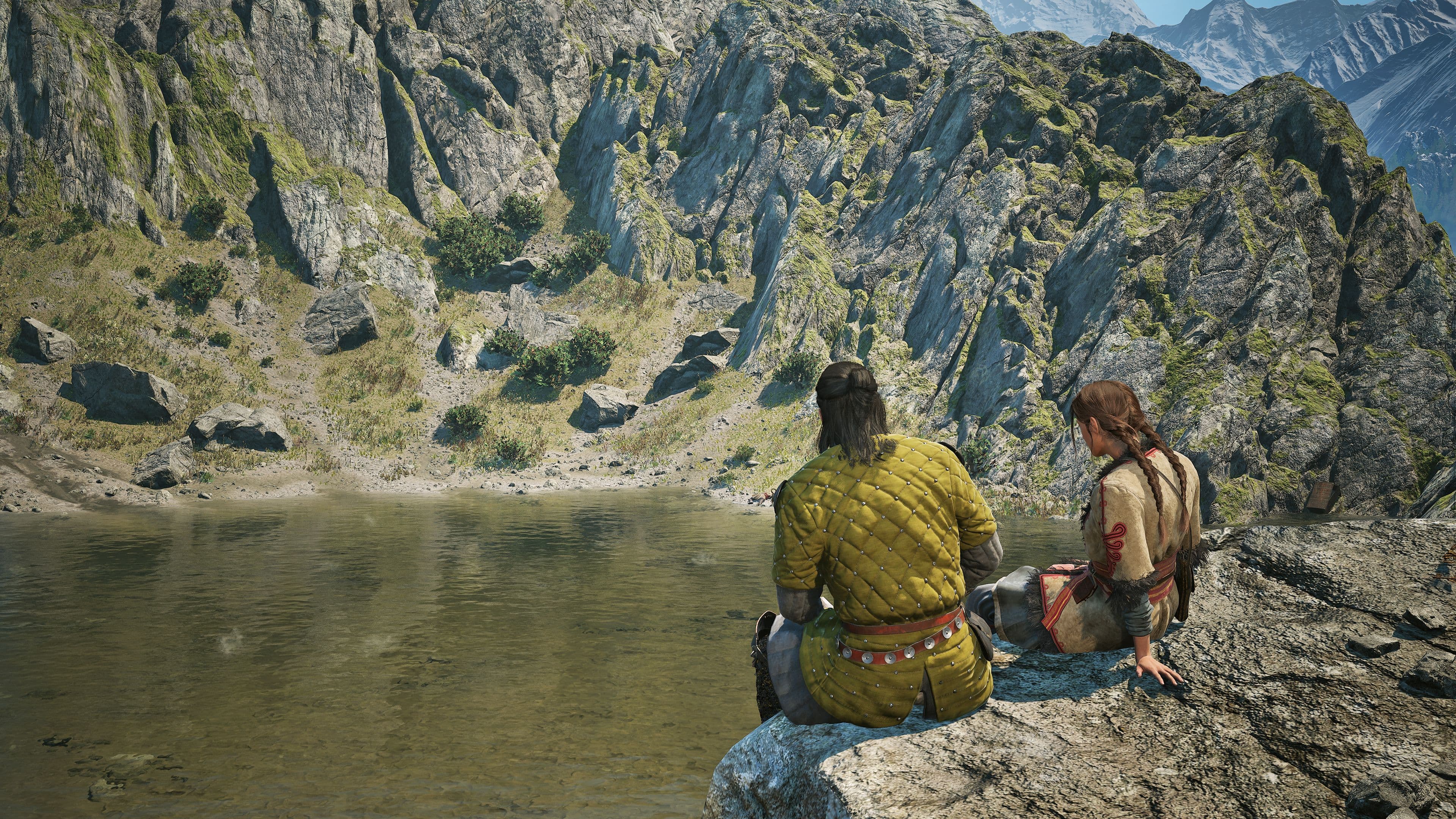
Dawnwalker's Bold Design Reimagines Open-World Pacing
In a significant departure from traditional open-world design paradigms, the highly anticipated title, The Blood of Dawnwalker, is set to revolutionize player engagement by implementing a novel mechanic that actively compels players to confront its final boss, directly addressing the pervasive issue of main quest procrastination in sprawling game environments.

Blockchain Leveraged in Massive ClickFix Payload Distribution
A sophisticated cybercriminal operation has compromised over 5,400 small-business websites to disseminate malicious ClickFix payloads, leveraging smart contracts on the BNB Smart Chain (BSC) for payload storage and distribution, marking a significant evolution in attack infrastructure.