Dawnwalker's Bold Design Reimagines Open-World Pacing
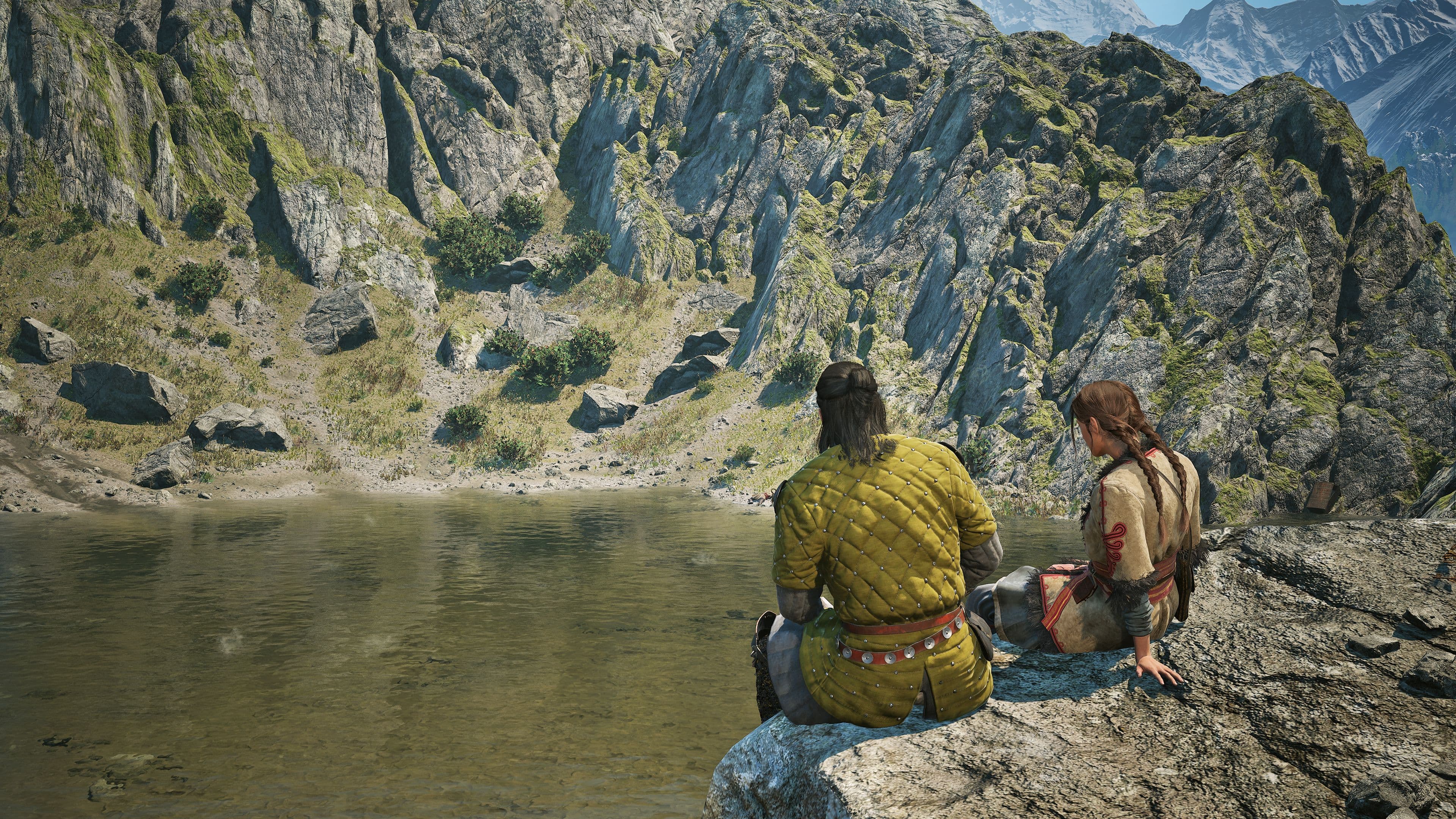
In a significant departure from traditional open-world design paradigms, the highly anticipated title, The Blood of Dawnwalker, is set to revolutionize player engagement by implementing a novel mechanic that actively compels players to confront its final boss, directly addressing the pervasive issue of main quest procrastination in sprawling game environments.
The Blood of Dawnwalker Confronts Open-World Procrastination Head-On
Sat Sep 05 2026 – The landscape of open-world gaming has long been defined by an expansive freedom that, while lauded for its immersive potential, often presents a paradox for narrative completion. Players, empowered by vast virtual playgrounds, frequently find themselves mired in an endless cycle of side quests, exploration, and non-critical path activities, leading to what industry analysts term 'narrative decay' and a significant drop in main story completion rates. This age-old challenge is now being directly addressed by the upcoming title, The Blood of Dawnwalker, through an innovative design philosophy that actively steers players towards its climactic conclusion.
Developers behind The Blood of Dawnwalker have unveiled a system engineered to counteract player procrastination by dynamically 'forcing' engagement with the game's ultimate antagonist. While specific technical details of this enforcement mechanism remain under wraps, the implications for game design and player experience are profound. Traditionally, open-world titles offer an overwhelming abundance of content, from intricate lore fragments to repetitive fetch quests, which can inadvertently dilute the urgency of the central narrative. Players often report feeling overwhelmed or losing track of the main story threads, sometimes abandoning games entirely before reaching their designed conclusion.
Deconstructing the 'Forced Confrontation' Mechanic
The concept of 'forcing' a final boss encounter is a radical departure from the player-driven freedom synonymous with the genre. From a technical design perspective, such a system likely employs a sophisticated array of triggers and progression flags. This could manifest in several ways:
- Dynamic Narrative Escalation: The game might monitor player progress against a predefined critical path timeline. Prolonged periods of non-main quest engagement could trigger accelerated world events, making side content less accessible or directly impacting the main narrative's urgency.
- Resource or Time-Gated Progression: Certain key resources, abilities, or narrative beats essential for side activities could become inaccessible or less rewarding once the critical path reaches a certain threshold, naturally nudging players towards the endgame.
- Adaptive AI and World State: The game's AI systems and world state could dynamically react to player inaction on the main quest. For instance, the antagonist's forces might grow significantly stronger, or critical locations might become compromised, making the final confrontation unavoidable or increasingly difficult the longer it's deferred.
- Direct Narrative Intervention: The game could employ in-game characters or cinematic sequences to directly remind players of the impending threat, perhaps even locking them into a series of main quest objectives after a certain point of no return.
This approach challenges the conventional wisdom that maximum player agency always equates to maximum enjoyment. Instead, The Blood of Dawnwalker posits that a guided, yet still expansive, experience can lead to a more satisfying and complete narrative arc for a broader audience.
Implications for Player Engagement and Narrative Integrity
The ramifications of this design choice extend beyond mere mechanics. For players, it promises a more focused and impactful narrative experience. The emotional weight and thematic resolution of confronting the final boss, often diluted by dozens or hundreds of hours of unrelated activities, will likely be preserved and amplified. Developers, in turn, can ensure that the meticulously crafted climax of their stories is experienced by a higher percentage of their player base.
However, this bold move is not without potential drawbacks. Purists of the open-world genre might view it as an infringement on player freedom, arguing that the joy of these games lies precisely in the unbridled ability to chart one's own course. Balancing this 'forced' progression with a sense of continued agency will be critical to The Blood of Dawnwalker's success. The implementation must feel organic and narratively justified, rather than an arbitrary limitation imposed upon the player.
From a technical standpoint, the underlying engine and scripting systems must be robust enough to handle these dynamic shifts seamlessly. Ensuring that player progress, inventory, and world state remain consistent and logical despite narrative acceleration will require meticulous engineering and extensive QA testing. The development team will need to predict and account for a vast array of player behaviors to prevent system exploits or unexpected narrative breaks.
Shaping the Future of Open-World Design
The Blood of Dawnwalker's innovative approach could mark a pivotal moment in the evolution of open-world game design. By deliberately addressing a fundamental criticism of the genre, it challenges other developers to reconsider the balance between player freedom and narrative integrity. This could lead to a new wave of open-world titles that incorporate similar 'guided freedom' mechanics, or it could spark a renewed debate about the core tenets of the genre. Regardless of its reception, The Blood of Dawnwalker is poised to be a significant case study in how developers can adapt and innovate to enhance the player's journey from beginning to end.

Marcus is a veteran gaming journalist and digital security analyst with over 8 years of experience covering AAA game releases, esports infrastructure, and cybersecurity developments.
Related Stories in Gaming

Blockchain Leveraged in Massive ClickFix Payload Distribution
A sophisticated cybercriminal operation has compromised over 5,400 small-business websites to disseminate malicious ClickFix payloads, leveraging smart contracts on the BNB Smart Chain (BSC) for payload storage and distribution, marking a significant evolution in attack infrastructure.

Epic, Sega Bypass IP Norms for Fortnite Sonic Integration
Sega's iconic speedster, Sonic the Hedgehog, is reportedly the centerpiece of Fortnite's Chapter 7 Season 4 Battle Pass, but a critical detail reveals that the character integrated into Epic Games' colossal metaverse platform is not officially 'Sonic' in a traditional licensing sense. This strategic maneuver by Sega and Epic Games highlights an evolving landscape in digital intellectual property management and cross-platform content delivery.

New Tool Injects Nvidia DLSS 5 Support Onto AMD Radeon GPUs
A third-party injection tool now enables Nvidia DLSS 5 Neural Rendering on non-Nvidia graphics hardware, allowing AMD Radeon RX 9070 XT users to run the proprietary pipeline at a severe performance cost.