Framework: DDR5 Memory Stable, SSD Prices on the Rise
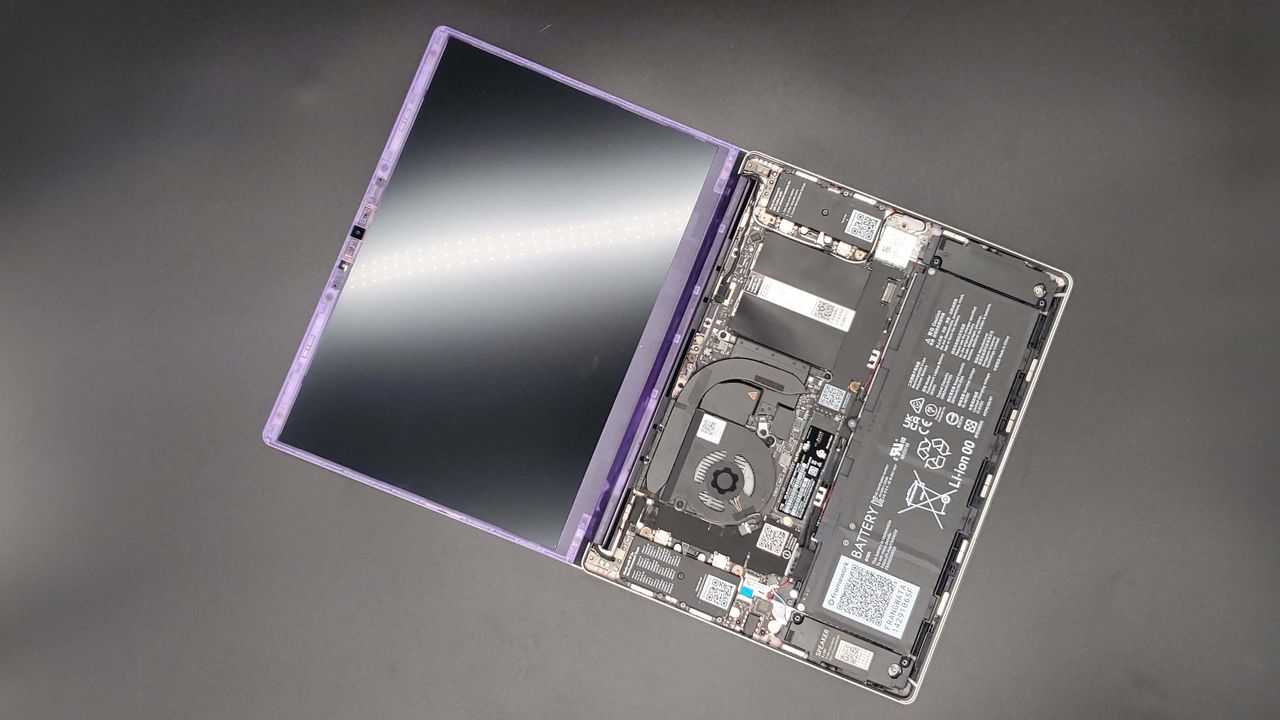
Overview of Framework's Latest Hardware Pricing Insights
In a recent update from Framework, a key player in modular and upgradable computing solutions, the company has highlighted the current state of component pricing for gaming and general-purpose hardware. As of May 2026, Framework notes that DDR5 memory costs are maintaining a level of stability, providing some relief for users building or upgrading systems. However, the narrative shifts unfavorably for SSDs, with prices experiencing another upward adjustment. This development underscores ongoing challenges in the supply chain and market dynamics affecting high-performance storage options essential for gaming laptops and desktops.
Drawing directly from Framework's assessment, DDR5 memory—known for its high speed and efficiency in handling demanding applications—has seen costs "remain fairly stable." This stability is attributed to balanced supply and demand factors in the memory market, allowing enthusiasts and professionals to plan upgrades without significant financial strain. DDR5, which operates at speeds up to 4800 MT/s or higher in optimized configurations, continues to be a cornerstone for modern gaming rigs, enabling smoother multitasking and faster load times in games.
On the contrary, the SSD pricing story is less optimistic. Framework explicitly states that "the pricing story is unfortunately not as positive" for SSDs, as costs are rising again. This escalation could be linked to factors such as increased production expenses for NAND flash memory, global semiconductor shortages, or heightened demand from data-intensive applications like cloud gaming and AI-driven content creation. For gamers, this means higher expenses when outfitting systems with fast NVMe SSDs, which are critical for reducing boot times and enhancing in-game performance in titles requiring quick asset loading.
Implications for Gamers and the Tech Industry
The implications of these pricing trends are multifaceted, particularly for the gaming community. Stable DDR5 prices allow for more predictable budgeting in PC builds, potentially encouraging upgrades to systems that support higher memory capacities—up to 128GB in some high-end configurations. This stability could foster greater adoption of DDR5 in e-sports setups, where reliable and fast memory is vital for competitive play in games like first-person shooters or real-time strategy titles. However, the rising SSD costs present a hurdle, as storage is a non-negotiable component for modern gaming, especially with the growing size of game installations exceeding 100GB for AAA releases.
From an industry perspective, these price movements reflect broader economic pressures in 2026. The semiconductor sector, which underpins both DDR5 and SSD technologies, has been volatile due to geopolitical tensions and raw material costs. Framework's insights suggest that manufacturers might need to innovate in cost-effective designs, such as more efficient NAND architectures or alternative memory solutions, to mitigate the impact on end-users. For gaming laptop users, this could translate to delayed upgrades or a shift towards hybrid storage options that combine HDDs with smaller SSDs to balance performance and affordability.
- Key factors contributing to DDR5 stability: Improved manufacturing yields and steady raw material availability.
- Reasons for SSD price increases: Escalating NAND costs, supply chain disruptions, and surging demand from enterprise sectors.
- Potential user impacts: Higher overall system costs, affecting entry-level gamers the most, while enthusiasts may seek bulk purchasing or refurbished options.
Detailed Technical Breakdown and Context
Technically, DDR5 memory modules offer advantages like dual 32-bit channels per module, enhancing data transfer rates and efficiency compared to DDR4. Framework's report indicates that these modules are holding price lines around $100-200 for 16GB kits, making them accessible for gaming builds. In contrast, SSD pricing for popular models, such as those using PCIe 4.0 or 5.0 interfaces, has climbed, with 1TB drives now averaging $150-250, up from previous quarters. This rise affects not only capacity but also endurance ratings and write speeds, which are crucial for gamers dealing with frequent saves and updates.
Contextually, this pricing shift occurs amid a 2026 landscape where gaming hardware is evolving rapidly. With the integration of advanced features like ray tracing and high-refresh-rate displays, components like SSDs are under greater scrutiny for their role in seamless experiences. Framework's transparency in sharing these updates helps consumers make informed decisions, potentially influencing market competition and encouraging other manufacturers to address pricing transparency. As the year progresses, ongoing monitoring of these trends will be essential to understand their long-term effects on the accessibility of high-performance gaming setups.
In summary, Framework's analysis provides a clear picture of the hardware market in 2026, with stable DDR5 options offering a bright spot amidst rising SSD costs. This situation calls for adaptive strategies from both consumers and industry stakeholders to maintain the momentum of gaming innovation. The detailed insights underscore the need for balanced pricing to support the growing esports and gaming sectors.