France Redefines Ties with African Leaders in Kenya
France's Diplomatic Pivot in Kenya
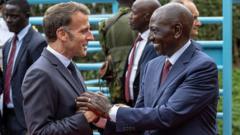
French President Emmanuel Macron has initiated a significant diplomatic engagement in Kenya, marking a pivotal moment in France's relations with African nations. This gathering, the first of its kind since similar meetings began in the 1970s, underscores a strategic reevaluation of France's historical ties to the continent. By choosing Kenya as the venue, France aims to address lingering colonial-era influences and promote a more equitable partnership framework, reflecting broader geopolitical shifts in 2026.
The meetings, held in Nairobi, bring together key African leaders from countries with diverse historical connections to France, including former colonies in West and Central Africa. This initiative comes amid growing calls for decolonization and economic sovereignty across the continent. France's approach appears to respond to criticisms of its past interventions, such as military operations in the Sahel region, which have been viewed as extensions of colonial control. The event's structure emphasizes dialogue on mutual interests like trade, climate change, and security, rather than unilateral agendas.
Historical Context of Franco-African Relations
France's colonial history in Africa dates back to the 19th century, with extensive territories under its control until the mid-20th century. The decolonization wave of the 1960s led to independence for many French colonies, but economic and political ties persisted through mechanisms like the Franc Zone and military agreements. Meetings between French leaders and African counterparts began in the 1970s as forums for cooperation, often criticized for maintaining French influence. In 2026, this latest iteration signals a departure from that model, with reports indicating a focus on co-development and respect for African agency.
Kenya, not a former French colony, serves as a neutral ground for these discussions, highlighting France's intent to broaden its engagement beyond traditional spheres. This choice may also reflect Kenya's rising stature as a regional hub for diplomacy and innovation, particularly in East Africa. Experts note that France's move could be influenced by increasing competition from other global powers, such as China and the United States, which have expanded their presence through infrastructure projects and trade deals.
Key Details of the Meeting
The agenda for the Kenya meetings includes topics like sustainable development, migration, and counter-terrorism, with an emphasis on African-led solutions. French officials have reportedly emphasized the need for 'partnerships of equals,' a phrase echoed in preliminary statements. This contrasts with earlier Franco-African summits, which were often dominated by French priorities. Attendees include leaders from nations such as Senegal, Ivory Coast, and Chad, each bringing perspectives shaped by their unique histories with France.
One notable aspect is the inclusion of civil society representatives, a first for such gatherings, which aims to incorporate grassroots voices into the dialogue. This could address issues like resource extraction and cultural heritage, where France has faced accusations of exploitation. The meetings are expected to culminate in joint declarations, potentially outlining new economic agreements or cultural exchanges that prioritize African interests.
Implications for Global Geopolitics
This diplomatic effort carries broader implications for international relations in 2026. As Europe grapples with its own challenges, including economic recovery and migration pressures, France's outreach to Africa represents a bid to secure strategic alliances amid rising global instability. For African nations, the meetings offer an opportunity to renegotiate terms of engagement, potentially leading to reduced French influence in areas like currency and defense. Analysts suggest this could inspire similar recalibrations by other former colonial powers, fostering a more multipolar world order.
Moreover, the event highlights the evolving dynamics of Africa's role in global affairs. With the continent's growing population and resources, nations are increasingly asserting their influence, as seen in recent African Union initiatives. France's willingness to adapt could enhance its soft power, but failure to deliver on promises might exacerbate anti-French sentiments, as evidenced by protests in some regions. In the context of 2026's geopolitical landscape, this meeting could serve as a model for post-colonial diplomacy, promoting stability and mutual prosperity.
Future Prospects and Challenges
Looking ahead, the success of these meetings will depend on concrete outcomes, such as reformed trade policies or joint environmental projects. Challenges include overcoming deep-seated mistrust and addressing economic disparities that persist from colonial times. If France follows through on its commitments, it could pave the way for stronger, more balanced relations. This initiative, therefore, not only marks a turning point for France but also for Africa, as both sides navigate the complexities of shared history toward a collaborative future.
- Key themes: Decolonization, economic partnership, and security cooperation.
- Potential outcomes: New agreements on trade and development.
- Broader impact: Shifts in global power dynamics and African sovereignty.
In conclusion, France's engagement in Kenya represents a deliberate step toward redefining its African relationships, acknowledging past errors and embracing a forward-looking approach. This development, set against the backdrop of 2026's interconnected world, could herald a new era of cooperation that benefits all parties involved.