French Peacekeeper Killed in Lebanon Attack
The Incident in Southern Lebanon
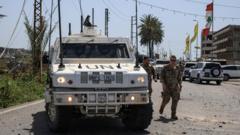
In the volatile region of southern Lebanon, a French peacekeeper lost their life in what has been described as a targeted attack, marking a significant escalation in the area's ongoing tensions. The event unfolded on April 18, 2026, amid the broader context of Middle Eastern conflicts involving various armed groups and international forces. According to reports from reliable sources, the peacekeeper was part of the United Nations Interim Force in Lebanon (UNIFIL), which has been deployed since 1978 to maintain peace and stability along the Israel-Lebanon border. The attack occurred during routine patrol operations, highlighting the persistent dangers faced by international personnel in the region.
French authorities confirmed the death, stating that the peacekeeper was struck by what appeared to be a rocket or explosive device. The incident has drawn immediate international attention, given France's historical ties to Lebanon, stemming from its colonial past and ongoing diplomatic engagements. President Emmanuel Macron, in a statement released shortly after the event, directly blamed Hezbollah, the Lebanon-based militant group, for the attack. Macron described it as a "cowardly act" that undermines efforts for regional stability, emphasizing France's commitment to protecting its citizens and supporting UN missions.
Official Responses and Denials
The French government's response was swift and resolute. In a televised address, President Macron asserted that preliminary investigations pointed to Hezbollah's involvement, citing intelligence reports that linked the attack to the group's activities. He called for an emergency meeting of the United Nations Security Council to address the incident and demanded accountability from all parties involved. This reaction underscores France's strategic interests in the Middle East, where it maintains a military presence and advocates for diplomatic solutions to conflicts.
Conversely, Hezbollah, designated as a terrorist organization by several Western nations, issued a strong denial of any connection to the attack. In a statement released through its media channels, the group, which is backed by Iran and holds significant political and military influence in Lebanon, labeled the accusations as "baseless and politically motivated." Hezbollah's spokesperson emphasized that the group has no interest in escalating tensions with international forces at this time, pointing to its focus on internal Lebanese affairs and defense against perceived threats from Israel. This denial adds a layer of complexity to the situation, as it raises questions about the accuracy of intelligence assessments and the potential for misinformation in conflict zones.
Broader Implications for Regional Stability
The killing of the French peacekeeper has far-reaching implications for the delicate balance of power in the Middle East. It could strain relations between France and Lebanon, potentially leading to a reduction in French aid or diplomatic support, which has been crucial for Lebanon's economic recovery amid its ongoing crises. Furthermore, this incident might prompt a reevaluation of UNIFIL's mandate and operations, as the force has faced increasing challenges from non-state actors in recent years. In 2026, with tensions between Israel and Hezbollah simmering due to sporadic border skirmishes, such events risk triggering a wider conflict, drawing in other regional players like Iran and the United States.
The attack also highlights the broader geopolitical dynamics at play. Hezbollah's ties to Iran position it as a key actor in the proxy wars involving Tehran and its adversaries. France, as a permanent member of the UN Security Council, may use this incident to push for stronger international sanctions or diplomatic pressures on Iran-backed groups. Analysts suggest that this could complicate ongoing negotiations for a ceasefire in the region, especially as Lebanon's government grapples with internal divisions and economic hardships. The event serves as a stark reminder of the human cost of these conflicts, with peacekeepers often caught in the crossfire.
Context of French Involvement and Hezbollah's Role
To understand the incident fully, it is essential to contextualize France's role in Lebanon. France has a long history of involvement, dating back to the French Mandate in the early 20th century, and continues to play a pivotal role in Lebanese politics, including efforts to mediate between various factions. UNIFIL, which includes French troops, was established to oversee the withdrawal of Israeli forces from southern Lebanon in 1978 and has since evolved to monitor the Blue Line, the UN-demarcated border with Israel. In 2026, this mission remains critical amid occasional violations and escalations.
Hezbollah, formed in the 1980s during Lebanon's civil war, has grown into a formidable force with both political and military wings. Backed by Iran, it has been involved in conflicts with Israel, including the 2006 war, and maintains a strong presence in southern Lebanon. The group's denial of involvement in this attack may be an attempt to avoid further international isolation, but it also reflects the opaque nature of operations in the region, where attribution of attacks can be challenging. This incident could lead to increased scrutiny of Hezbollah's activities by international bodies, potentially affecting Lebanon's relations with the European Union and other allies.
In conclusion, the death of the French peacekeeper in southern Lebanon not only represents a tragic loss but also underscores the fragility of peace efforts in a region plagued by longstanding rivalries. As investigations continue, the international community watches closely, hoping for de-escalation to prevent further violence and promote dialogue among all parties involved.