Gearbox Affirms No-AI Policy After Executive's Post
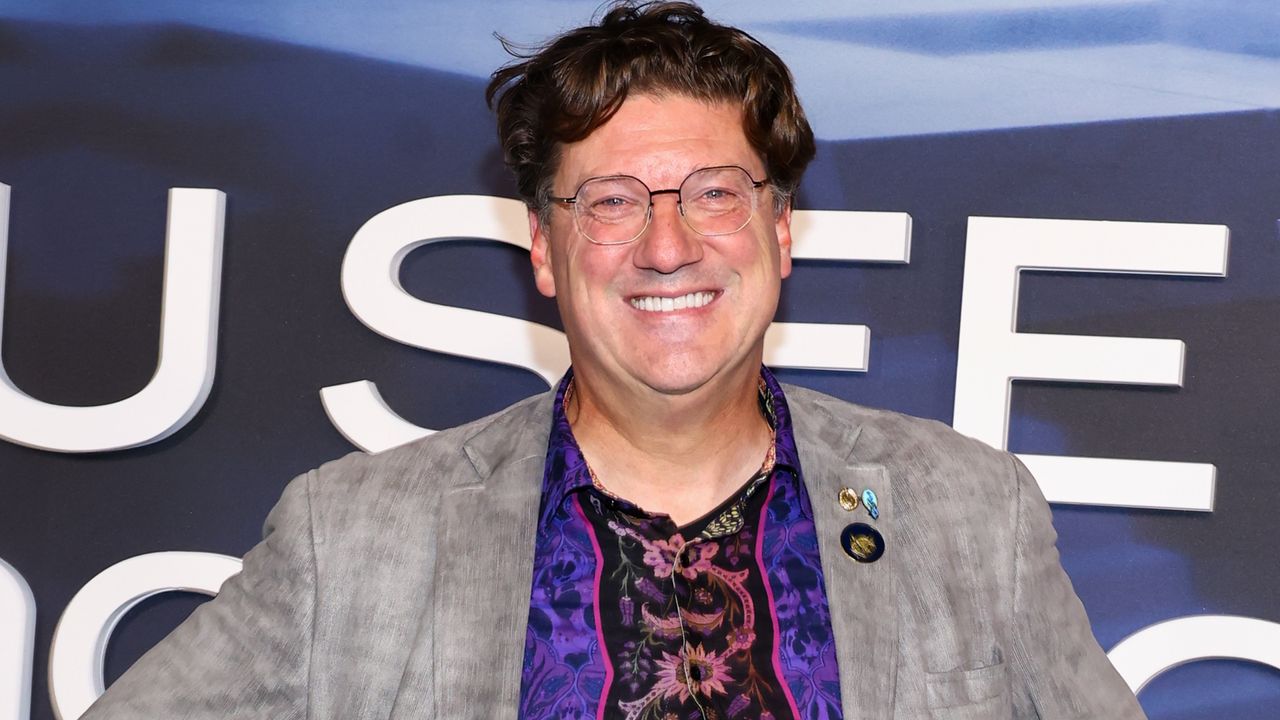
The Incident Involving Randy Pitchford and Gearbox's AI Policy
In a recent social media post, Randy Pitchford, the founder and CEO of Gearbox Software, shared an AI-generated image depicting an AI entity working at the company. This action quickly drew scrutiny from the gaming community and industry observers, especially given Gearbox's publicly stated commitment to a firm no-AI policy. The policy, which emphasizes human creativity and originality in game development, was highlighted by Pitchford himself as he addressed the backlash, underscoring the importance of maintaining ethical standards in an era where AI tools are increasingly prevalent.
The post in question was intended as a lighthearted jest, according to Pitchford, but it inadvertently highlighted potential inconsistencies in how companies enforce their internal guidelines. Gearbox, known for titles like the Borderlands series, has positioned itself as a proponent of authentic human-driven content creation. This incident serves as a reminder of the challenges in navigating the blurred lines between AI-assisted tools and outright AI-generated content, particularly in sectors like gaming where intellectual property and creative integrity are paramount.
Breakdown of the Event and Its Implications
At the core of this story is the tension between personal actions and corporate policies. Pitchford's post, which featured an AI-generated image created using popular tools like those from major AI platforms, sparked discussions about accountability in leadership. In his response, Pitchford clarified that the image was not meant to endorse AI use within Gearbox's operations and reiterated that the company maintains a strict prohibition on AI for core development tasks. This policy includes avoiding AI for scripting, asset creation, or any elements that could compromise the human element in game design.
From a technical perspective, this event raises questions about digital security and content verification. AI-generated images often carry metadata or signatures that can be analyzed to detect their origins, potentially exposing vulnerabilities in how companies handle sensitive digital assets. For instance, if such images were to be integrated into game builds, they could introduce risks like undetectable alterations or intellectual property disputes. Gearbox's reaffirmation of its policy might prompt broader industry conversations about implementing robust detection mechanisms, such as watermarking tools or AI forensics software, to ensure compliance and protect against unauthorized AI use.
The implications extend to the gaming industry's cybersecurity landscape. As AI technologies evolve, they pose threats like deepfakes, which could be used to manipulate public perception or compromise game servers. Gearbox's experience could serve as a case study for other developers, illustrating how even minor lapses can erode trust. In 2026, with regulatory bodies increasingly scrutinizing AI ethics, companies may need to adopt more stringent internal audits and employee training programs to prevent similar incidents. This is particularly relevant for studios handling large-scale projects, where any perceived hypocrisy could affect partnerships and consumer loyalty.
Context Within the Gaming Industry
Gearbox Software, a key player in the AAA gaming space, has built its reputation on innovative storytelling and community engagement, especially through franchises that blend action with narrative depth. The company's no-AI stance aligns with a growing movement in the industry to prioritize human creativity, especially as AI tools become more accessible. This incident occurs against the backdrop of ongoing debates about AI's role in creative fields, with organizations like the Entertainment Software Association advocating for guidelines to balance innovation and ethics.
Looking ahead, this event could influence how gaming companies approach AI in their workflows. For example, it might accelerate the adoption of alternative technologies, such as advanced procedural generation methods that rely on human oversight, to maintain authenticity without fully excluding AI benefits. In the context of e-sports and new game reveals, where visual fidelity and originality are crucial, Gearbox's response could set a precedent for transparency. If mishandled, such incidents might lead to delays in game development or affect tournament integrations, as players and fans demand verifiable content.
Ultimately, this situation underscores the need for clear communication and robust policies in the face of technological advancements. Gearbox's quick clarification aims to mitigate any damage, but it highlights the broader challenge of adapting to an AI-integrated future while upholding core values in gaming.
Broader Industry Reflections
In the rapidly evolving tech-security domain, events like this emphasize the importance of proactive measures. Companies must invest in employee education and automated monitoring systems to detect AI-generated content early. For Gearbox, this could mean revising social media guidelines for executives to align with corporate policies. As the industry moves forward, such incidents may drive collaborations between developers and cybersecurity firms to develop standards that protect against digital threats posed by AI misuse.
The gaming community's reaction has been mixed, with some praising Pitchford's transparency and others calling for more accountability. This event serves as a pivotal moment for reflecting on how policies are enforced and how they evolve with technology. Gearbox's reaffirmation of its no-AI policy reinforces its commitment to human-centric innovation, potentially inspiring other studios to follow suit in 2026 and beyond.