HIIT Workouts: Transforming Daily Fitness Routines
The Rise of HIIT in Everyday Wellness
High-Intensity Interval Training, or HIIT, has become a cornerstone of modern fitness regimes, offering a quick and effective way to boost health without demanding hours at the gym. As we navigate the demands of 2026's fast-paced world, this workout style is gaining traction for its ability to deliver results in just 20 to 30 minutes a day. Originating from athletic training programs, HIIT involves short bursts of intense exercise followed by brief recovery periods, making it accessible for people of all fitness levels.
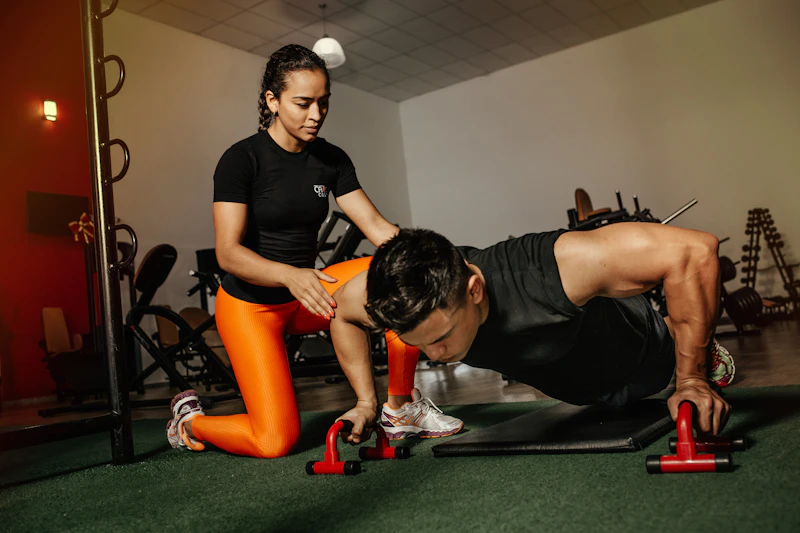
Experts in the health community emphasize that HIIT isn't just about sweating it out; it's about integrating movement that fits into daily life. For instance, a typical HIIT session might include exercises like squats, push-ups, and jumping jacks, alternated with rest. This approach has been praised in recent studies and wellness discussions for its role in enhancing metabolism and building endurance, which are crucial for maintaining energy throughout the day.
Breaking Down the Benefits of HIIT
One of the primary appeals of HIIT is its efficiency. In an era where time is a precious commodity, this workout routine allows individuals to achieve significant health gains without lengthy commitments. Research from leading health organizations in 2026 shows that regular HIIT participation can lead to a 15-20% increase in aerobic capacity within weeks, helping to reduce the risk of chronic conditions like heart disease and diabetes.
Beyond physical perks, HIIT supports mental well-being by releasing endorphins, those natural mood boosters that combat stress and anxiety. Imagine starting your day with a quick HIIT session—it's like hitting the reset button, leaving you more focused and resilient. For those juggling work, family, and social obligations, this makes HIIT a practical choice for sustaining overall wellness.
How HIIT Fits into 2026's Health Landscape
As we move further into 2026, the integration of HIIT into daily routines reflects a broader shift towards personalized and sustainable fitness. Health advisors are recommending HIIT not as a fad, but as a adaptable strategy that can be modified for beginners or advanced users. For example, newcomers might start with bodyweight exercises, while seasoned enthusiasts could incorporate weights or resistance bands to amp up the challenge.
The implications of adopting HIIT extend to community health initiatives, where group classes and online tutorials are making it easier for people to get involved. In urban areas, parks and community centers are hosting HIIT events, fostering a sense of camaraderie and motivation. This trend underscores a growing awareness that fitness is about long-term habits rather than short-term goals, encouraging individuals to prioritize their health amidst life's complexities.
Practical Tips for Incorporating HIIT
To get started with HIIT, begin with a warm-up to prevent injuries, such as light jogging or dynamic stretches for five minutes. A basic routine could include 30 seconds of high-knee runs followed by 20 seconds of rest, repeated for 10 rounds. Remember to stay hydrated and listen to your body, adjusting intensity as needed to avoid overexertion.
- Schedule HIIT sessions three to four times a week for optimal results.
- Pair it with a balanced diet rich in whole foods to maximize energy levels.
- Track your progress with a simple journal to note improvements in stamina and mood.
- Consult a healthcare professional if you have underlying conditions, ensuring your routine is safe and effective.
Incorporating variety keeps things engaging; mix in outdoor activities like hill sprints or indoor options like circuit training. The key is consistency, as even small daily efforts can lead to substantial health transformations over time.
The Bigger Picture: HIIT's Role in Long-Term Health
Looking ahead, HIIT's popularity in 2026 highlights a collective push towards proactive wellness, where preventive measures take precedence over reactive ones. By making HIIT a staple, individuals are not only enhancing their physical fitness but also building resilience against everyday stressors. This approach aligns with global health trends emphasizing holistic care, from better sleep to stronger immune systems.
As more people embrace HIIT, it's clear that this fitness trend is more than just a workout—it's a pathway to a healthier, more vibrant life. Whether you're a parent, professional, or anyone in between, integrating HIIT can help you reclaim control over your well-being in an increasingly demanding world.