Housemarque Teases Saros as Potential Returnal Sequel
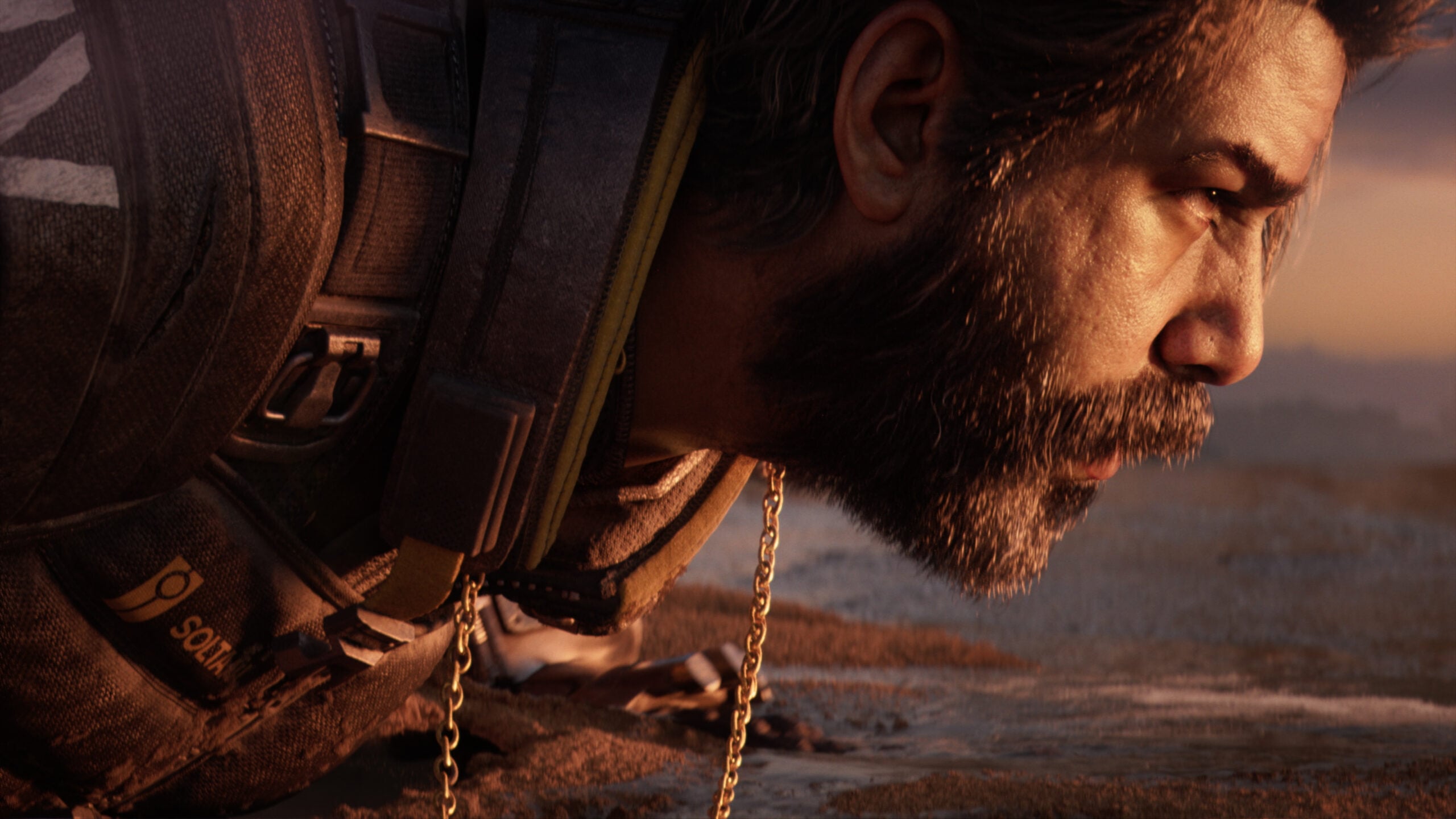
Introduction to the Saros Reveal
In the evolving landscape of AAA game development, Housemarque, the Finnish studio behind the critically acclaimed roguelike shooter Returnal, has ignited discussions with a new project tentatively titled Saros. Based on reports from a primary source, this development suggests an expansion of Housemarque's signature style, characterized by intense, procedurally generated worlds and high-stakes gameplay. The summary provided describes Saros as involving a 'brand new hostile world to tame,' which aligns with the studio's expertise in creating challenging, atmospheric environments that demand player adaptability and strategic depth.
Released details from the source indicate that Saros might build upon Returnal's foundation, which featured real-time combat, permadeath mechanics, and intricate lore tied to exploration. While the source poses the question of whether Saros is a direct sequel or a standalone title, it emphasizes the game's focus on a fresh, unforgiving universe. This revelation comes at a time when the gaming industry in 2026 is prioritizing innovative world-building and narrative depth, especially in response to player demands for more immersive experiences amid advancing hardware capabilities.
Technical Breakdown of the Potential Sequel
Delving deeper into the technical aspects, Saros appears to leverage Housemarque's established engine optimizations, possibly enhancing the procedural generation algorithms that made Returnal a standout. In Returnal, players navigated dynamically shifting biomes with adaptive enemy AI and physics-based interactions, which required sophisticated coding to ensure seamless performance across platforms. If Saros follows suit, it could introduce advanced rendering techniques, such as ray-traced lighting or enhanced particle systems, to create more realistic hostile environments. These elements would demand robust server-side support for potential multiplayer features, though no such details were confirmed in the source.
From a development perspective, Housemarque's shift towards Saros might involve iterative improvements in game engine architecture. For instance, the original Returnal utilized a custom-built engine that handled high-fidelity graphics and responsive controls, minimizing latency in fast-paced scenarios. Speculatively based on the source's description, Saros could incorporate machine learning for adaptive difficulty scaling, allowing the hostile world to 'tame' players through personalized challenges. This would require extensive beta testing and algorithmic fine-tuning to balance fairness and replayability, core tenets of modern AAA titles in 2026.
Implications for the Gaming Industry
The announcement of Saros carries significant implications for Housemarque and the broader gaming ecosystem. As studios increasingly focus on sequels to established IPs to mitigate development risks, a potential Returnal sequel could reinforce Housemarque's position in the action-adventure genre. In 2026, with the rise of cross-platform play and subscription-based services, Saros might integrate with ecosystems like PlayStation's, given Housemarque's history with Sony. This could mean optimized cross-device synchronization, ensuring that players experience the hostile world consistently, whether on consoles or PCs.
Moreover, the reveal highlights ongoing trends in game design, such as emphasizing player agency in vast, procedurally generated worlds. This approach not only extends replay value but also addresses the industry's push towards sustainability by reducing the need for frequent new releases. However, it raises questions about intellectual property management and fan expectations, as sequels must innovate without alienating core audiences. Housemarque's track record suggests they are well-equipped to navigate these challenges, potentially influencing competitors to invest in similar narrative-driven mechanics.
Context and Speculation Within 2026's Gaming Scene
In the context of 2026, where AAA reveals often dominate industry events, Saros emerges as a noteworthy entry amid a crowded market of sequels and reboots. The source's ambiguity—whether Saros is a sequel or a new IP—mirrors strategic marketing tactics used by developers to build hype. This could be seen as Housemarque's calculated move to gauge community interest before full disclosure. Historically, games like Returnal succeeded due to their unique blend of roguelike elements and third-person shooting, setting a benchmark for atmospheric storytelling.
Looking ahead, the gaming community in 2026 is more interconnected than ever, with social media and fan forums dissecting every detail. If Saros proves to be a sequel, it might introduce expanded lore, perhaps delving deeper into the cosmic themes of Returnal through enhanced narrative tools like dynamic dialogue systems or augmented reality integrations. This would not only captivate existing fans but also attract new players seeking technically sophisticated experiences. As the industry grapples with post-pandemic shifts in consumer behavior, such reveals underscore the importance of innovation in maintaining engagement.
Conclusion
Ultimately, the tease of Saros represents Housemarque's continued commitment to pushing the boundaries of interactive entertainment, blending technical prowess with compelling gameplay. While details remain scarce, this development signals exciting possibilities for fans of challenging, story-rich worlds in 2026's gaming landscape. As more information emerges, the full impact of Saros on the industry will become clearer.