Indie Shooter Goes Free-to-Play Indefinitely
The Unconventional Decision by Indie Developers
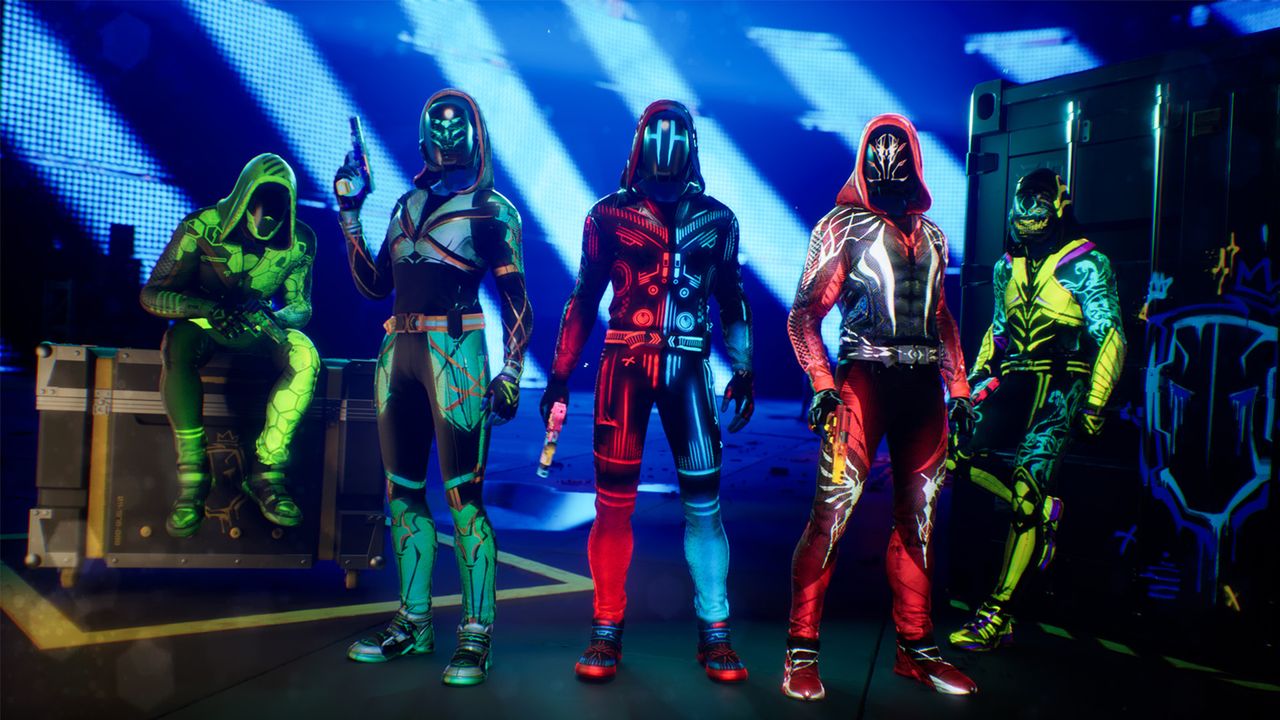
In the ever-evolving landscape of the gaming industry, an indie studio has taken a bold step by transforming their struggling first-person shooter into a free-to-play model, ensuring servers remain operational indefinitely. This decision, detailed in a recent announcement, contrasts sharply with the fate of other titles that have been shuttered due to low player engagement. The game in question, which launched to modest reception, is now accessible to all without cost, potentially revitalizing interest and extending its lifespan in a market dominated by AAA blockbusters.
The core of this story revolves around the developers' commitment to their creation despite initial commercial underperformance. According to the primary source, the game's player base failed to materialize as anticipated, echoing the high-profile shutdown of Concord, a multiplayer title that was pulled from shelves shortly after release. However, in what the developers describe as a 'reverse-Concord' approach, they are not abandoning the project. Instead, they are pivoting to a free-to-play structure, eliminating barriers to entry and promising perpetual server support. This strategy aims to foster community growth organically, allowing players to discover and engage with the game's unique mechanics without financial commitment.
Technical Breakdown of the Transition
From a technical standpoint, transitioning a game to free-to-play involves significant backend adjustments. The developers must overhaul their monetization systems, likely shifting from upfront sales to in-game purchases or advertisements. Server architecture plays a crucial role here; maintaining operations indefinitely requires robust infrastructure to handle variable player loads without compromising performance. This could involve cloud-based scaling solutions, such as those provided by AWS or Azure, to dynamically allocate resources based on real-time demand. For an indie team, this is no small feat, as it demands ongoing investment in cybersecurity measures to protect against potential exploits that could arise from increased accessibility.
In terms of game design, the shift necessitates evaluating and possibly enhancing features to encourage long-term retention. This includes optimizing matchmaking algorithms for quicker lobby times, even with a smaller player pool, and implementing anti-cheat mechanisms to ensure fair play. The source highlights that despite the low initial uptake, the game's core gameplay—featuring fast-paced FPS elements—remains intact, with no major content cuts planned. Developers have indicated plans to release patches that address community feedback, focusing on balance tweaks and bug fixes to improve the overall experience.
Implications for the Gaming Industry in 2026
This move carries broader implications for the indie gaming sector in 2026, a year marked by economic uncertainties and shifting consumer behaviors. By keeping servers online indefinitely, the studio is challenging the norm where underperforming games are quickly discontinued, thus wasting development resources. This could inspire other small teams to adopt similar strategies, potentially leading to a surge in free-to-play titles that prioritize accessibility over immediate profitability. However, it also raises questions about sustainability: how will the developers fund ongoing operations without steady revenue streams?
From a business perspective, this decision might attract partnerships with platforms like Steam or Epic Games, which offer tools for free-to-play distributions and revenue-sharing models. It could also open doors to esports integration if the game gains traction, though it's not positioned as a major competitive title. In the context of 2026's gaming trends, where player retention is key amid a saturated market, this approach underscores the importance of community building. Yet, it highlights potential risks, such as server vulnerabilities that could be exploited by hackers, emphasizing the need for stringent security protocols.
- Key benefits include increased player accessibility and potential for organic growth.
- Challenges involve maintaining server stability and funding without sales revenue.
- Long-term effects may influence how indie developers plan for post-launch support.
Context and Industry Parallels
To provide context, this event draws parallels to past industry shifts, such as the free-to-play transitions of games like Team Fortress 2 or Warframe, which saw revitalized success. In 2026, with advancements in game development tools, indie studios are better equipped to make such pivots. The 'reverse-Concord' narrative serves as a cautionary tale against premature abandonment, illustrating that with strategic adaptations, even niche titles can find an audience. As the gaming world continues to evolve, this story exemplifies resilience and innovation among smaller developers.
Ultimately, this development signals a positive shift towards more player-centric models in gaming, where accessibility triumphs over exclusivity. It remains to be seen if this bold strategy will pay off, but for now, it offers a glimmer of hope for overlooked titles in the vast digital ecosystem.