Indonesia Grants Legal Recognition to Domestic Workers
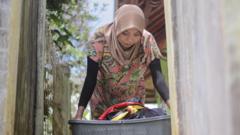
In a significant victory for labor rights, Indonesia has finally granted legal recognition to domestic workers, marking the end of a protracted 22-year campaign. This development, announced recently, addresses the vulnerabilities faced by millions of workers in the informal sector and sets a precedent for gender equality in employment. With nearly 90% of these workers being women, this recognition is poised to enhance their access to basic labor protections, such as minimum wages, working hours, and social security benefits.
Background of the 22-Year Struggle
The journey to legal recognition began in the early 2000s, amid growing advocacy from labor unions, women's rights organizations, and international bodies. Domestic workers in Indonesia, often employed in private households, have long been excluded from formal labor laws, leaving them susceptible to exploitation, abuse, and poor working conditions. Activists highlighted cases of underpayment, excessive hours, and lack of job security, which disproportionately affected women from rural areas migrating to urban centers for work.
Key milestones in this struggle include the formation of worker alliances and petitions to the government. In 2004, Indonesia ratified the International Labour Organization's (ILO) Convention on Domestic Workers, which called for better protections, but domestic implementation lagged for years. Advocacy groups, including local NGOs, pushed for legislative changes through protests and dialogues, emphasizing the economic contributions of these workers to households and the national economy. Despite incremental progress, such as draft bills in the 2010s, full recognition remained elusive until now, underscoring the challenges of reforming entrenched social norms.
Details of the Legal Recognition
The recent announcement formalizes domestic workers under Indonesia's national labor framework, granting them rights equivalent to other formal employees. This includes entitlements to minimum wages, paid leave, limits on working hours, and protection against dismissal without cause. The government has also outlined plans for mandatory contracts and mechanisms for dispute resolution, aiming to standardize employment practices across the country.
Statistics from official sources indicate that Indonesia is home to approximately 4.2 million domestic workers, with women comprising nearly 90% of this workforce. Many of these individuals perform essential tasks such as cooking, cleaning, and caregiving, often in isolation and without the safeguards enjoyed by other sectors. This legal shift is expected to be enforced through a combination of new regulations and oversight by the Ministry of Manpower, which will monitor compliance and provide training for employers.
Implications for Workers and Society
The implications of this recognition are profound, particularly for women who form the majority of the domestic workforce. By elevating their status, the policy could reduce gender-based inequalities, empower workers to negotiate better terms, and decrease instances of abuse. For instance, women in this sector often face wage disparities and lack access to healthcare, issues that this reform directly addresses by integrating them into social insurance schemes.
Economically, this change may stimulate productivity and stability in households, as better-protected workers are likely to be more efficient and loyal. On a broader scale, it aligns Indonesia with global trends toward recognizing informal labor, as seen in neighboring countries like the Philippines and Singapore. However, challenges remain, including the need for effective enforcement in rural areas and overcoming cultural resistance from some employers who view domestic work as informal or familial.
- Improved access to minimum wages and benefits for 4.2 million workers.
- Potential reduction in gender inequality and workplace exploitation.
- Enhanced alignment with international labor standards.
Context Within Indonesia's Labor Landscape
Indonesia's labor market has evolved significantly in recent years, with growing emphasis on inclusive policies amid economic growth and urbanization. This recognition comes at a time when the country is recovering from global economic pressures, including post-pandemic recovery efforts. By 2026, Indonesia aims to achieve sustainable development goals related to decent work and gender equality, making this reform a critical step forward.
Globally, the move reflects a rising tide of labor rights movements, influenced by organizations like the ILO. Similar recognitions in other nations have led to positive outcomes, such as increased female participation in the economy and reduced poverty rates. In Indonesia, this could inspire further reforms in other informal sectors, like agriculture and street vending, fostering a more equitable society.
In conclusion, the legal recognition of domestic workers in Indonesia represents a hard-won achievement that not only honors the dedication of millions but also paves the way for a fairer labor environment. As implementation unfolds, the true impact on workers' lives will become evident, potentially serving as a model for other developing nations.