Invincible Vs Devs Tackle Rage Quitting in Beta
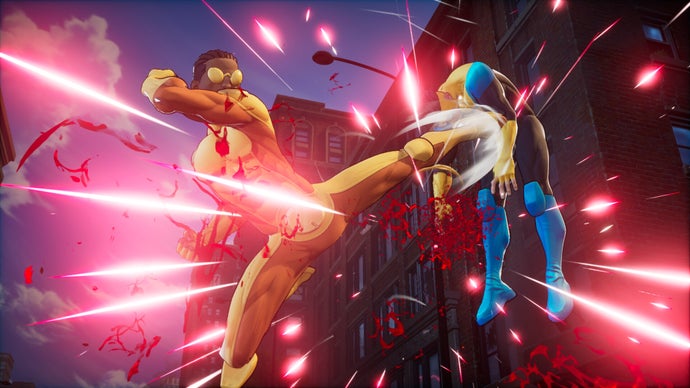
Introduction to the Invincible Vs Beta Challenges
In the evolving landscape of AAA gaming titles, the open beta for Invincible Vs, a highly anticipated gory fighting game from developer Quarter Up, highlighted significant player behavior issues. Released as part of the game's pre-launch phase, the beta drew thousands of participants but was marred by rampant rage quitting, where players abruptly disconnected from matches. This phenomenon not only disrupted gameplay but also raised questions about game design and server stability in competitive environments. Quarter Up has now publicly addressed these concerns, attributing much of the problem to their own design choices and promising targeted fixes ahead of the full release.
Breakdown of the Rage Quitting Issue
During the open beta, which ran for several weeks leading up to April 2026, players reported frustration with Invincible Vs's matchmaking system and penalty mechanics. Rage quitting, defined as a player intentionally leaving a match mid-game, was exacerbated by factors such as unbalanced character stats and inadequate loss mitigation strategies. Quarter Up's lead developers explained in their statement that the game's core engine, built on a modified version of the Unreal Engine 5, inadvertently prioritized fast-paced combat over robust disconnection handling. This led to scenarios where players faced severe ranking penalties or loss of in-game currency upon defeat, prompting impulsive exits to avoid further penalties.
Technically, the issue stemmed from the beta's server architecture, which relied on peer-to-peer connections for lower-latency gameplay. However, this setup was vulnerable to network instability, causing delays in match synchronization and making it easier for players to disconnect without immediate consequences. The developers noted that rage quitting affected not just individual matches but also the overall player experience, potentially impacting the game's viability in e-sports circuits where fair play is paramount. For instance, in simulated tournament scenarios during the beta, repeated disconnections skewed results and frustrated competitors, underscoring the need for more resilient systems.
Implications for Game Development and E-Sports
The revelations from Quarter Up highlight broader implications for the gaming industry, particularly in how beta testing phases can expose flaws that extend beyond mere bugs. In the context of e-sports, where titles like Invincible Vs are eyed for professional leagues, rage quitting could undermine the integrity of events. If left unaddressed, it might lead to skewed analytics in ranking systems, affecting player progression and tournament seeding. This is especially critical as fighting games often form the backbone of major e-sports competitions, such as those organized by ESL or EVO, where precise matchmaking ensures competitive balance.
Quarter Up's proposed fixes include implementing a more sophisticated server-authoritative model, which would centralize game state management and reduce the impact of individual disconnections. They plan to introduce dynamic penalties, such as temporary bans or resource deductions, that are calibrated based on player behavior patterns analyzed through machine learning algorithms. This approach not only aims to deter rage quitting but also enhances the game's security against potential exploits, aligning with industry trends in cybersecurity for online multiplayer titles. By fortifying their infrastructure, Quarter Up seeks to prevent scenarios where rage quitting could be weaponized, indirectly touching on digital threats that have plagued other games.
Context Within New Game Reveals
Invincible Vs enters the market as a sequel-inspired title in the fighting genre, drawing from popular franchises with its emphasis on visceral, character-driven combat. The game's reveal during early 2025 generated buzz for its innovative gore mechanics and cross-platform play, positioning it as a potential AAA contender. However, the beta phase served as a litmus test, revealing how player frustrations could derail a new release's momentum. In 2026, with the gaming industry increasingly focused on player retention metrics, Quarter Up's transparency about these issues sets a precedent for other developers. This openness could influence future game reveals, encouraging more rigorous pre-launch testing to address behavioral and technical vulnerabilities.
From a technical standpoint, the developers emphasized upgrades to their anti-abandonment protocols, including enhanced network code that incorporates adaptive latency compensation. This ensures that even in high-stakes matches, the game maintains fairness, which is crucial for e-sports integration. As Invincible Vs moves toward its full launch, these changes could redefine standards for fighting games, potentially inspiring similar updates in titles like Street Fighter or Tekken sequels.
Detailed Technical Fixes and Future Outlook
Quarter Up outlined specific technical enhancements in their response, such as integrating a queue system that detects and penalizes abrupt disconnections more effectively. Using data from the beta, they identified key metrics like average quit rates and match abandonment patterns, which informed their updates. For example, the new system will employ AI-driven matchmaking that factors in player history, reducing the likelihood of mismatched opponents that trigger rage quits. This level of detail underscores the developers' commitment to a polished product, especially as e-sports organizations scout for reliable titles.
Looking ahead, the fixes could have ripple effects on the broader industry, particularly in how new game reveals handle beta feedback. By prioritizing player experience, Quarter Up not only safeguards Invincible Vs's e-sports potential but also mitigates risks associated with online vulnerabilities. As of April 2026, this development reinforces the importance of adaptive game design in an era where digital threats and competitive integrity are intertwined.
- Key takeaway: Rage quitting in Invincible Vs beta was linked to design flaws in matchmaking and penalties.
- Proposed solutions: Server upgrades and AI-enhanced systems to improve fairness.
- Broader impact: Enhances e-sports readiness and sets a benchmark for future AAA titles.
In conclusion, Quarter Up's proactive approach to the Invincible Vs beta issues demonstrates a dedication to quality that could elevate the game's status in the 2026 gaming landscape. While no redeem codes were mentioned in the source, the focus remains on technical improvements to foster a more engaging and secure playing environment.
This article is based on factual reporting from:
www.eurogamer.net — Original Report ↗