Iran's Chief Insists FIFA Sole Host of 2026 World Cup
Introduction to the Controversy
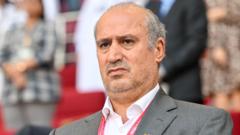
In the lead-up to the 2026 FIFA World Cup, co-hosted by the United States, Canada, and Mexico, tensions have emerged regarding international participation and diplomacy. Mehdi Taj, the president of Iran's football federation, recently made headlines by emphasizing that FIFA alone governs the tournament, not any individual country or leader. This statement underscores ongoing geopolitical frictions, particularly between Iran and the U.S., as the world prepares for one of football's biggest events.
Taj's comments were delivered in a context where Iran's national team is expected to qualify for the tournament, potentially requiring travel to U.S. soil. He specifically referenced former U.S. President Donald Trump, highlighting that the World Cup's authority rests with FIFA, the global governing body of football. This assertion comes amid historical animosities, including sanctions and travel restrictions that have affected Iranian athletes and officials in the past.
Breaking Down Taj's Statements
Mehdi Taj's remarks, reported through major news outlets, directly address the potential challenges Iran might face in participating in the 2026 World Cup. He stated that 'our World Cup host is FIFA, not Mr. Trump or America,' a clear rebuttal to any perceived U.S. dominance over the event. Taj called for 'respect towards the nation's delegation,' emphasizing the need for fair treatment under international sports regulations.
This is not the first time political issues have intersected with football for Iran. The country has a storied history in the sport, having qualified for multiple World Cups since 1978, but participation has often been complicated by external pressures. Taj's words serve as a reminder of the delicate balance between sports and politics, urging FIFA to enforce its rules impartially.
Context of the 2026 World Cup
The 2026 World Cup marks a significant milestone as it will be the first edition expanded to 48 teams, with matches spread across 16 cities in the three host nations. For Iran, qualifying would mean navigating a qualification process that includes teams from Asia, but the real hurdle lies in logistics and diplomacy once in North America. The U.S., as a co-host, will host several key matches, including potential group stage games and knockout rounds.
Historically, U.S.-Iran relations have been strained since the 1979 Iranian Revolution, leading to severed diplomatic ties and various sanctions. These tensions have spilled into sports, with instances where Iranian teams faced visa issues or heightened security measures. Taj's call for respect echoes broader calls from international bodies for sports to remain apolitical, though this is often challenging in practice.
Implications for International Football and Diplomacy
Taj's statements could have far-reaching implications for how FIFA manages the 2026 tournament. They highlight the organization's role in mediating between host nations and participating countries, ensuring that political disputes do not disrupt the games. If Iran's delegation encounters issues, it might prompt FIFA to intervene, potentially setting precedents for future events.
For Iran, this is about national pride and the right to compete on a global stage. Football is immensely popular in the country, with the national team often serving as a symbol of unity and resilience. Taj's comments could rally domestic support while pressuring international stakeholders to uphold fairness. On the flip side, they might exacerbate tensions with the U.S., leading to debates over security protocols or visa policies.
In the broader context of global football, this situation underscores the challenges of hosting mega-events in politically charged environments. The 2026 World Cup, with its unprecedented scale, will test FIFA's ability to foster inclusivity. Experts suggest that FIFA might need to enhance its diplomatic efforts, perhaps through pre-tournament agreements, to prevent boycotts or disruptions.
Reactions and Potential Outcomes
- FIFA's Response: While FIFA has not yet issued an official statement on Taj's comments, the organization has a history of emphasizing neutrality. It could reaffirm its commitment to hosting an inclusive event, possibly by outlining clear guidelines for all delegations.
- International Reactions: Other nations with similar geopolitical concerns might watch closely, potentially leading to a coalition of voices advocating for standardized treatment.
- For Iran: If respected, this could boost morale and participation; if not, it might result in protests or alternative arrangements, affecting the team's performance.
As the 2026 World Cup approaches, Taj's assertive stance serves as a pivotal moment in sports diplomacy, reminding the world that football transcends borders but is not immune to them. This event could either bridge divides or highlight existing ones, depending on how stakeholders respond.
Conclusion
Ultimately, Mehdi Taj's declaration reinforces the principle that sports governance should remain with impartial bodies like FIFA, ensuring that events like the 2026 World Cup proceed without undue interference. As preparations continue, the international community will be watching to see if respect and fairness prevail, allowing all qualified teams to compete on equal footing.