Katie Archibald Retires from Cycling for Nursing
Introduction to a Storied Career's End
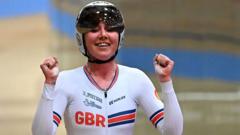
In a surprising turn of events that has shaken the world of competitive cycling, Katie Archibald, the celebrated three-time Olympic medallist, has decided to hang up her bicycle for good. At just 32 years old, Archibald's retirement comes as she embraces a new chapter in her life, one centered around her burgeoning career in nursing. This decision, announced on May 12, 2026, marks the end of an era for a athlete who has been a dominant force in the sport for over a decade.
A Glittering Legacy in Cycling
Archibald's journey in cycling began as a young talent in Scotland, quickly rising through the ranks to become one of the most decorated athletes in British sports history. Her Olympic successes include two gold medals and one silver, earned across the 2016 Rio Olympics and the 2020 Tokyo Games, where she excelled in events like the omnium and madison. Beyond the Olympics, Archibald amassed an impressive collection of World Championship titles, including multiple golds in track cycling disciplines. Her prowess on the track was matched by her advocacy for the sport, inspiring a new generation of cyclists, particularly women, to pursue their dreams.
Her achievements extend to the Commonwealth Games, where she represented Scotland with distinction. In fact, Archibald had been selected for the 2026 Commonwealth Games team, an honor that underscored her enduring form and relevance in the sport. This selection made her retirement all the more unexpected, as she was poised to add to her medal tally in what would have been a home Games for her.
The Path to Retirement
Archibald's announcement revealed that her decision stems from a deep-seated passion for nursing, a field she has recently entered with enthusiasm. In her statement, she described how the demands of professional cycling began to pale in comparison to the fulfillment she found in caring for others. "I've fallen in love with nursing," she shared, highlighting how the hands-on nature of the profession resonated with her personal values and provided a sense of purpose beyond athletic competition.
This shift was not impulsive; it followed a period of introspection and professional exploration. Archibald began training as a nurse during off-seasons from cycling, drawn to the healthcare sector's challenges and rewards. Sources close to her noted that the COVID-19 pandemic, which had global repercussions, played a role in her interest, as she witnessed the critical role of healthcare workers firsthand. Despite the excitement of preparing for the 2026 Games, Archibald realized that her heart was no longer fully in the velodrome, leading to this pivotal career change.
Implications for the Cycling World and Beyond
Archibald's retirement leaves a significant void in British cycling, where she was not only a top competitor but also a key figure in team dynamics and event promotions. The British Cycling Federation expressed disappointment but also admiration for her choice, recognizing that athletes' decisions often reflect personal growth. Her departure could impact upcoming events, including the 2026 Commonwealth Games, where Scotland will now need to recalibrate its team strategy without one of its star performers.
On a broader scale, Archibald's move highlights the evolving landscape of professional sports, where athletes are increasingly prioritizing mental health, work-life balance, and alternative careers. This trend is evident in other sports, with figures like retired swimmers and runners transitioning into fields such as medicine and education. For cycling, her exit underscores the need for better support systems to help athletes navigate life after competition, potentially influencing policies on retirement planning and career diversification.
In nursing, Archibald's entry brings a unique perspective. Her discipline, honed through years of rigorous training and competition, will undoubtedly serve her well in high-pressure medical environments. Colleagues in the nursing field have welcomed her enthusiasm, noting that her experience could help bridge gaps between sports science and healthcare. This transition also serves as an inspiring narrative for young people, demonstrating that success in one field can lead to meaningful contributions in another.
Context and Legacy
Archibald's story is set against the backdrop of a rapidly changing 2026 sports calendar, with the Commonwealth Games looming as a major event. Her retirement, while personal, resonates in a year marked by global athletic competitions and increasing awareness of athletes' well-being. As she steps away from the spotlight, Archibald leaves behind a legacy of excellence and resilience, having overcome injuries and setbacks to achieve greatness.
Looking ahead, fans and fellow athletes are curious about how she will fare in her new role, with many expressing support for her future endeavors. Archibald's decision serves as a reminder that life's pursuits extend beyond medals and records, emphasizing the importance of following one's passions. In the end, her retirement is not just an end, but a new beginning that could inspire others to seek fulfillment in unexpected places.