Last Flag Debuts with Disappointing Player Numbers
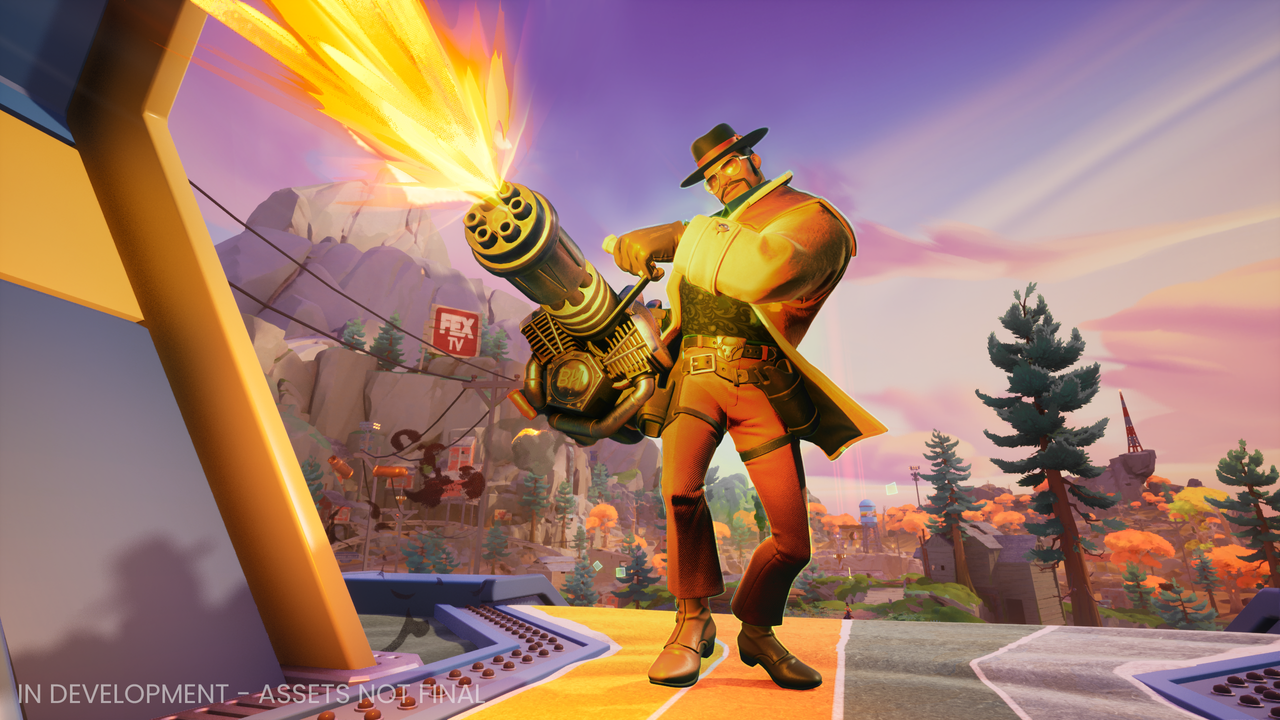
Introduction to Last Flag's Launch Performance
In the evolving landscape of multiplayer shooters, Last Flag, the inaugural title from a studio established by Imagine Dragons' lead vocalist, has encountered significant hurdles upon its release. According to data from SteamDB, the game attracted fewer than 600 concurrent players at launch, a figure that underscores the difficulties new entries face in a saturated market dominated by established franchises.
Game Overview and Development Context
Last Flag is a capture-the-flag themed first-person shooter that aims to blend strategic gameplay with fast-paced action. The studio behind it, founded by the lead singer of the popular rock band Imagine Dragons, represents a unique crossover between music and gaming industries. This debut project leverages the founder's creative influence to deliver a multiplayer experience centered on team-based objectives, where players must navigate dynamic maps to secure and return virtual flags while evading opponents. The game's design incorporates elements typical of the genre, including customizable loadouts, tactical gear, and objective-driven modes that encourage coordination and strategy.
Technically, Last Flag employs a standard client-server architecture for its online multiplayer features, relying on Steam's infrastructure for matchmaking and player connectivity. While specific details on the game's engine or underlying technology are not explicitly outlined in available sources, it is evident that the title targets PC platforms primarily, with potential for cross-platform play based on industry trends. The game's art style and sound design draw from the founder's musical background, integrating rhythmic elements into gameplay mechanics, such as timed boosts or audio cues for enemy detection.
Detailed Breakdown of Launch Metrics
SteamDB data reveals that Last Flag peaked at under 600 concurrent players shortly after its launch, a metric that pales in comparison to recent successful shooters like those in the Call of Duty or Battlefield series, which often see millions of players on day one. This low engagement rate can be attributed to several factors, including marketing reach, competition from established titles, and the game's positioning in the market. For instance, the timing of the release coincides with a period when major esports events and other AAA launches may have diverted player attention.
From a technical standpoint, the game's server performance during early access phases could have played a role in player retention. Multiplayer shooters demand robust network infrastructure to handle latency, synchronization, and cheat prevention, areas where new studios often face challenges. Although no specific security vulnerabilities or hacks are reported in the primary source, the low player count might indirectly signal issues with server stability or user experience that deterred potential players from sticking around.
Implications for the Gaming Industry
The struggles of Last Flag highlight broader implications for independent and celebrity-backed studios entering the competitive multiplayer shooter genre. In 2026, the market is increasingly crowded, with players gravitating towards games that offer not only engaging gameplay but also strong community support, frequent updates, and integration with esports ecosystems. This launch serves as a case study for how innovative concepts from non-traditional developers must compete with the polished offerings from industry giants.
Furthermore, the data from SteamDB emphasizes the importance of pre-launch hype and effective player acquisition strategies. Studios like the one behind Last Flag may need to invest more in partnerships, influencer collaborations, or beta testing to build a dedicated player base. This event also raises questions about the sustainability of crossover ventures, where musical fame does not automatically translate to gaming success, potentially influencing future investments in similar projects.
Context Within Current Trends
As of April 2026, the gaming industry continues to evolve with a focus on live-service models, where ongoing content updates and community engagement are crucial for longevity. Last Flag's debut occurs amidst a wave of new game reveals and sequels, making it essential for titles to differentiate themselves through unique features or narrative depth. The capture-the-flag mechanic, while nostalgic and tactically rich, may not resonate as strongly in an era dominated by battle royales and hero shooters, suggesting a need for genre innovation.
In summary, Last Flag's underwhelming launch performance reflects the high barriers to entry in the multiplayer shooter space, serving as a cautionary tale for emerging developers. With fewer than 600 concurrent players, the game must now pivot towards post-launch improvements, such as patches, events, or expansions, to regain momentum and attract a wider audience.