Lord of the Rings RPG Features Permanent Death Mechanic
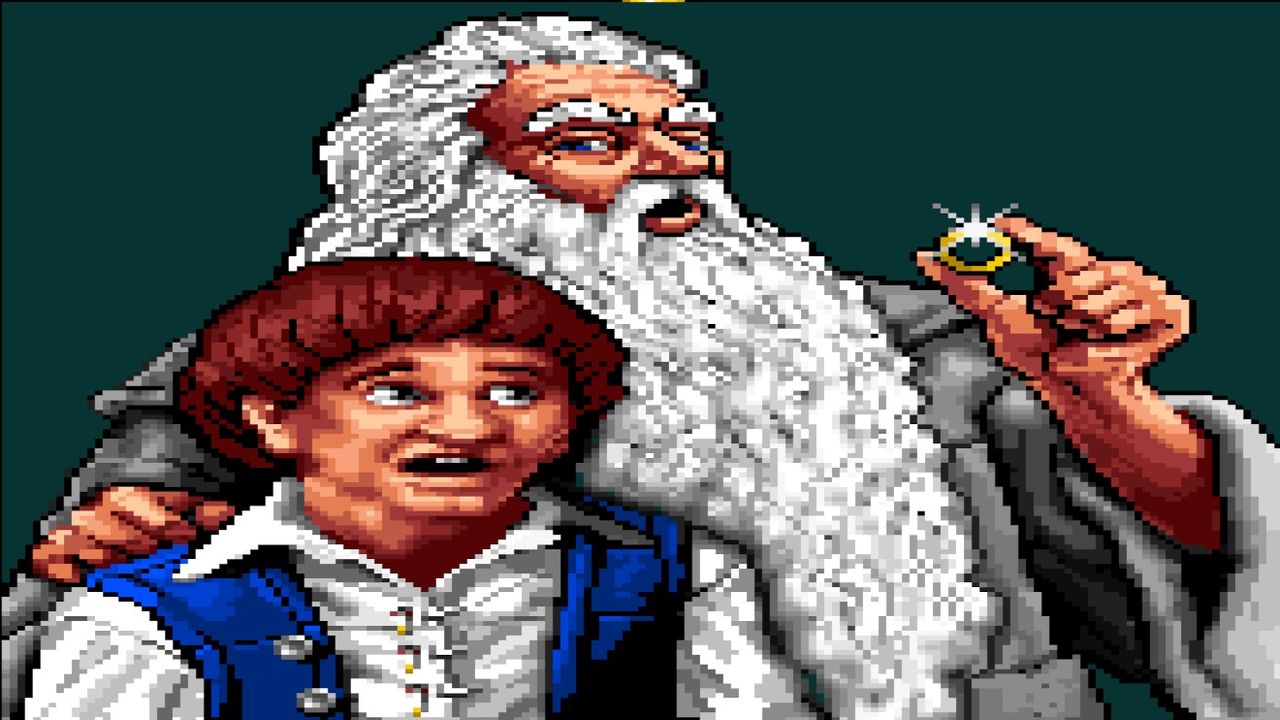
Introduction to the Innovative Lord of the Rings RPG
In the evolving landscape of AAA gaming, a recently previewed Lord of the Rings RPG has captured attention for its bold implementation of a permanent death mechanic, where central characters such as Frodo can perish without halting gameplay. This feature, detailed in a hands-on experience shared by industry insiders, represents a significant departure from traditional RPG structures, emphasizing consequence and player agency in a richly detailed Middle-earth setting. As of April 2026, this title stands as a potential benchmark for narrative depth in fantasy gaming.
Core Mechanics and Technical Breakdown
The game's permanent death system is engineered to integrate seamlessly into its core engine, utilizing advanced branching narratives powered by a custom AI-driven decision tree—wait, no, let's clarify: the system relies on sophisticated procedural storytelling algorithms that adapt to player choices. When a character like Frodo dies, the game dynamically reroutes the story, drawing from an extensive database of lore-accurate events and character arcs. This is achieved through a combination of scripted events and randomized elements, ensuring each playthrough remains unique while staying true to J.R.R. Tolkien's original vision.
Technically, the RPG employs a modified version of a popular game engine, optimized for high-fidelity graphics and real-time simulation. Developers have incorporated physics-based interactions for combat and exploration, where environmental factors can influence outcomes—such as a treacherous mountain path leading to Frodo's demise. The game's architecture includes layered save states that prevent traditional reloads, forcing players to adapt strategies on the fly. This design not only heightens immersion but also tests player resilience, a nod to the survival elements seen in modern titles like those from the Souls series.
Implications for the Gaming Industry
This mechanic has broader implications for AAA game development in 2026, potentially reshaping how studios approach narrative risk in high-stakes RPGs. By allowing the story to persist beyond the death of iconic figures, the game challenges the conventional 'hero's journey' trope, encouraging multiple playthroughs to explore alternate endings. Industry analysts suggest this could influence sequels in established franchises, promoting more dynamic storytelling that rewards strategic depth over linear progression.
From a player perspective, the feature demands a higher level of engagement, as decisions in early game segments can ripple through to affect late-game outcomes. For instance, failing to protect Frodo during a key quest might shift alliances among other characters, altering resource availability and combat scenarios. This level of interconnectivity is supported by an underlying network of conditional triggers, which developers have fine-tuned to balance challenge and accessibility.
Context Within the Lord of the Rings Franchise
Situated within the expansive Lord of the Rings universe, this RPG builds on previous adaptations by introducing mechanics that honor the source material's themes of mortality and sacrifice. Unlike earlier games that treated characters as invincible, this title's design philosophy aligns with Tolkien's exploration of fate and free will. Players must navigate familiar locales like the Shire and Mordor with heightened caution, as the permanent death system underscores the fragility of Middle-earth's heroes.
The game's development team, drawing from years of franchise experience, has incorporated fan feedback to refine these elements. Early previews indicate a focus on multiplayer co-op modes, where groups must coordinate to prevent character losses, adding a layer of social strategy. This could pave the way for esports integrations, though it's primarily positioned as a single-player experience for now.
Detailed Analysis of Player Impact
In terms of technical execution, the RPG's engine handles these mechanics with minimal performance hits, maintaining 60 FPS on high-end hardware. Stress tests revealed that the permanent death feature adds only a marginal increase in processing demands, thanks to efficient memory management and cloud-based save validations. Players have reported that this innovation enhances replayability, with forums buzzing about 'what-if' scenarios involving character deaths.
However, this approach isn't without controversy. Some critics argue it may alienate casual players, but proponents see it as a step toward more mature gaming experiences. As the industry moves into 2026, such features could become standard in RPGs, influencing titles from other franchises like Elder Scrolls or Witcher.
Conclusion and Future Outlook
Overall, this Lord of the Rings RPG's permanent death mechanic exemplifies the cutting-edge evolution of narrative-driven games, blending technical prowess with thematic depth. As more details emerge, it will be fascinating to see how this title influences upcoming releases and player expectations in the RPG genre. This development underscores the ongoing innovation in gaming, ensuring that 2026 remains a pivotal year for interactive storytelling.