Manchester United vs Liverpool: Premier League Clash
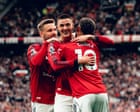
The Premier League Rivalry Ignites at Old Trafford
On a sun-drenched May afternoon in 2026, the iconic Old Trafford stadium buzzed with anticipation as Manchester United prepared to face their arch-rivals, Liverpool, in a pivotal Premier League match. With kick-off set for 3:30pm BST, this fixture represented more than just three points; it was a chapter in one of English football's most storied rivalries. The game promised high stakes, with both teams vying for positions that could shape their seasons in the tightly contested league table.
As the teams lined up, Liverpool's manager Arne Slot faced familiar hurdles due to injuries, notably the absence of key player Alexander Isak, who had been sidelined earlier in the campaign. This forced Slot into a reactive mode, shuffling his lineup to maintain competitiveness. Observers noted that such disruptions had become a recurring theme for Liverpool, potentially impacting their fluidity on the pitch. Meanwhile, Manchester United, under their own tactical leadership, appeared poised to exploit any weaknesses, leveraging home advantage and a relatively settled squad.
The match began with both sides displaying their characteristic intensity. Liverpool, known for their high-press style, aimed to dominate possession early, but United's defense held firm, thwarting initial forays into their territory. By the 15-minute mark, the game had settled into a tactical battle, with midfielders from both teams controlling the tempo. United's players, buoyed by the home crowd, pressed forward with purpose, seeking to break the deadlock.
Key Moments and Tactical Breakdown
Throughout the first half, Liverpool's injury woes became evident as they struggled to maintain their usual attacking rhythm. Slot's decision to reshuffle his forward line highlighted the challenges of squad depth in modern football. For instance, without Isak's pace and finishing ability, Liverpool relied on alternative options, which led to a more conservative approach. This shift allowed United to gain the upper hand, creating several scoring opportunities that could have altered the game's momentum.
United's strategy focused on quick transitions and wide play, utilizing their wingers to stretch Liverpool's defense. A notable moment came in the 35th minute when United's striker capitalized on a defensive lapse, nearly scoring with a curling shot that grazed the post. This near-goal underscored the fine margins in such encounters, where precision and timing often decide the outcome. Liverpool, in response, mounted counter-attacks, but their efforts lacked the clinical edge typically associated with their play.
- United's defensive solidity prevented Liverpool from establishing dominance in the midfield.
- Injury absences, like Isak's, forced Liverpool into unplanned substitutions early in the game.
- Both teams showcased their tactical depth, with managers making real-time adjustments to counter each other's moves.
As the second half unfolded, the intensity escalated. Liverpool pushed for an equalizer, introducing fresh legs to inject energy into their attack. This period saw end-to-end action, with saves from both goalkeepers proving crucial. The match's implications extended beyond the immediate result; a win for United could solidify their position in the top four, while Liverpool needed points to keep pace in the race for European spots. The 2026 season had already seen surprising twists, and this game was no exception.
Broader Implications for the Premier League
This fixture's outcome could ripple through the Premier League standings, influencing not only these two teams but also their competitors. For Manchester United, a victory would boost morale and potentially secure a stronger foothold in the race for Champions League qualification. Liverpool, on the other hand, faced the risk of falling further behind if they couldn't overcome their setbacks. The injury crisis highlighted the importance of squad resilience in a grueling schedule, a lesson that teams across the league are learning in 2026.
Historically, matches between these giants have defined eras of English football, from the glory days of the 1980s to more recent battles. In 2026, with new talents emerging and established stars adapting to evolving tactics, this game served as a barometer for both clubs' ambitions. Fans and analysts alike pondered how Slot's management style, often praised for its adaptability, would fare against United's structured approach. The live updates from sources like The Guardian captured the drama, keeping supporters engaged minute by minute.
Looking ahead, the result of this match could influence transfer strategies and team morale as the season winds down. Both clubs might reflect on this encounter when planning for the next campaign, emphasizing the need for depth to handle injuries. As the final whistle approached, the atmosphere at Old Trafford remained electric, encapsulating the passion that drives the Premier League.
Context and Fan Reactions
In the context of 2026, this match reflected broader trends in the league, including the impact of international commitments and fixture congestion on player fitness. Comments from fans and experts, such as Ian Copestake's observation on Slot's challenges, added depth to the narrative. Supporters on platforms like Bluesky shared their thoughts, debating tactics and outcomes in real time. This game was a reminder of football's unpredictability, where preparation meets the chaos of competition.
Ultimately, the Manchester United vs. Liverpool clash on May 3, 2026, exemplified the Premier League's enduring appeal, blending strategy, skill, and sheer willpower. As the players shook hands at full time, the result stood as a testament to the league's competitive spirit, leaving fans eager for the next showdown.
This article is based on factual reporting from:
www.theguardian.com — Original Report ↗