Miami Grand Prix Rescheduled Due to Storm Threat
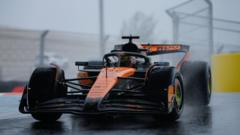
The Rescheduling of the 2026 Miami Grand Prix
In a proactive move to ensure the safety of drivers, teams, and spectators, organizers of the 2026 Formula 1 season have advanced the start time of the Miami Grand Prix by three hours. Originally slated for a later slot, the race is now set to begin at 18:00 BST on Sunday, May 3, 2026, due to forecasts of severe thunderstorms in the area. This decision underscores the priority placed on weather-related risks in motorsport, where conditions can drastically alter the dynamics of a high-speed event.
The Miami International Autodrome, nestled in the vibrant heart of Florida, has become a staple on the F1 calendar since its debut in 2022. For the 2026 edition, the circuit promised another thrilling chapter in the championship battle, with top teams vying for points in the sweltering South Florida heat. However, Mother Nature has intervened, prompting officials to act swiftly based on meteorological data indicating potential lightning, heavy rain, and gusty winds that could pose significant hazards. The decision was announced through official channels, reflecting the collaborative effort between race promoters, the FIA (Fédération Internationale de l'Automobile), and local authorities to prioritize participant welfare.
Implications for Teams and Drivers
This schedule change ripples through the preparations of the 20 competing teams and their drivers, who must now adapt their strategies on short notice. For instance, teams like Red Bull, Ferrari, and Mercedes, which have been fine-tuning their cars for optimal performance, face the challenge of recalibrating tire choices, fuel loads, and pit stop timings to account for the earlier start. The shift to 18:00 BST means the race will unfold during the late afternoon in Miami, potentially offering slightly cooler temperatures but introducing uncertainties about track conditions if rain arrives earlier than expected.
Drivers, already under immense pressure in a season marked by intense competition, must adjust their mental and physical routines. A three-hour advancement could affect warm-up sessions, strategy meetings, and even personal recovery from previous races. Current championship leader, whoever that may be in 2026, will need to maintain focus amid these disruptions, as every point counts in the tightly contested standings. The FIA's strict safety protocols, including mandatory track inspections and weather monitoring, will be in full effect, ensuring that the green light for racing only proceeds if conditions are deemed safe.
Context Within Formula 1's History
Weather-related alterations are not unprecedented in Formula 1. The sport has a history of adapting to environmental challenges, from the infamous 2007 European Grand Prix at the Nürburgring, which was red-flagged due to torrential rain, to more recent instances like the 2025 Brazilian Grand Prix that saw delays from flooding. In Miami's case, the decision to reschedule highlights the evolution of F1's approach to risk management, with advanced weather forecasting tools and real-time data analysis playing a crucial role. This year's event, the fourth Miami Grand Prix in the calendar, builds on the success of previous races, which have drawn massive crowds and boosted local tourism, but it also serves as a reminder of the unpredictable elements that can influence outcomes.
For fans, the change means altered viewing plans, with many tuning in from around the globe via broadcasts or attending in person. The earlier start time could alleviate some traffic and logistical issues in the Miami area, potentially allowing spectators to avoid peak storm hours. However, it might disrupt international viewing schedules, as the race now aligns differently with prime time in Europe, Asia, and other regions. Organizers have communicated the update through official apps and social media, urging attendees to stay informed and follow safety guidelines.
Broad Implications for the 2026 Season
Looking ahead, this incident could set a precedent for how future races handle climate variability, especially as global weather patterns continue to shift. The 2026 season, with its new regulations on car designs and sustainability initiatives, already promises innovation, and events like this emphasize the need for flexibility in scheduling. It also spotlights the broader environmental context, as increasing storm frequencies in regions like Florida raise questions about the long-term viability of certain race locations. Teams and drivers have expressed support for the decision, viewing it as a necessary step to maintain the integrity and excitement of the sport.
In conclusion, the rescheduling of the Miami Grand Prix exemplifies the delicate balance between competition and safety in Formula 1. As the grid lines up for what could be a dramatic race under clearing skies, the focus remains on delivering a spectacular event while prioritizing the well-being of all involved. This adaptive measure ensures that the thrill of speed and strategy endures, even in the face of nature's challenges.