Modder Integrates Fallout 1 into Fallout 4 Pip-Boy
The Latest Modding Milestone in the Fallout Series
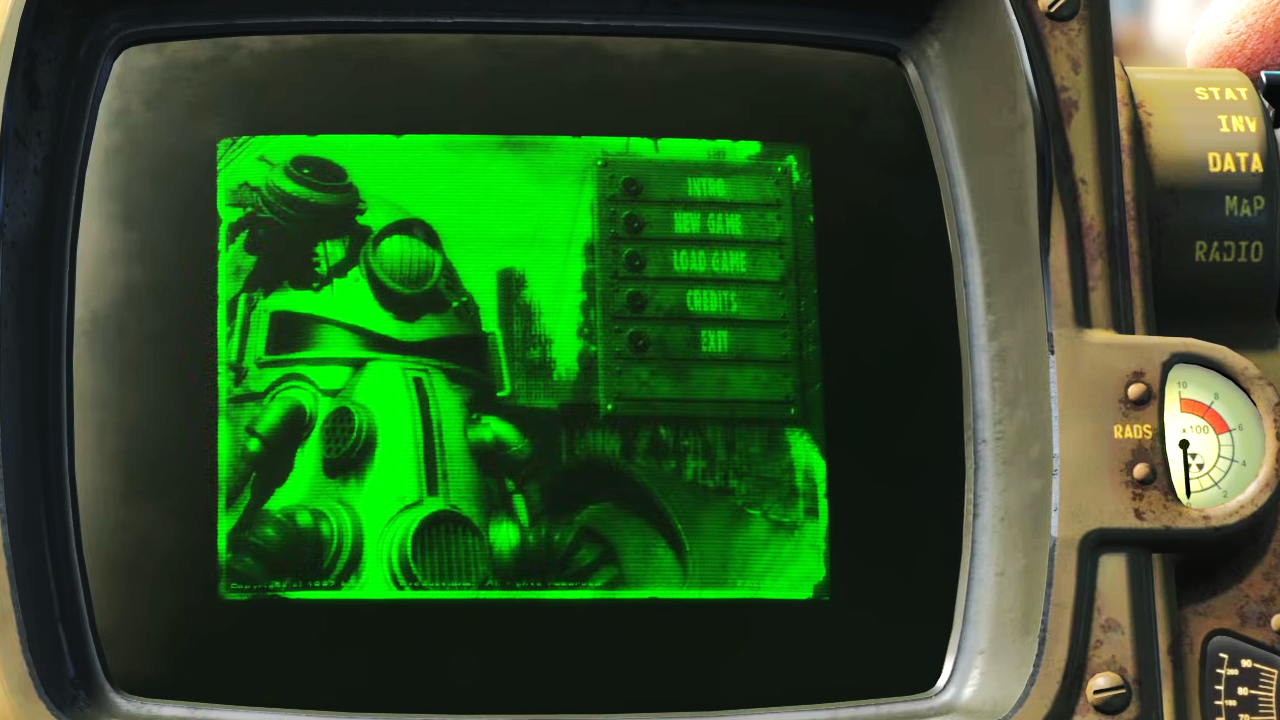
In a remarkable feat of technical ingenuity, a prominent modder has extended the capabilities of Bethesda's Fallout 4 by integrating the original Fallout 1 game directly into the Pip-Boy device. This development comes shortly after the same modder achieved a similar integration with The Elder Scrolls series, showcasing a rapid progression in modding techniques that bridge classic and modern gaming elements. The mod, which allows players to access and play Fallout 1 through Fallout 4's iconic Pip-Boy interface, was driven by overwhelming community requests, highlighting the enduring popularity of the Fallout franchise even as we move deeper into 2026.
At its core, this mod involves complex scripting and engine modifications within Fallout 4's Creation Engine. The Pip-Boy, originally designed as an in-game computer for inventory management and quest tracking, has been repurposed to emulate the gameplay of Fallout 1, a 1997 isometric RPG. This required the modder to address significant compatibility issues, including rendering differences between the 2D top-down perspective of Fallout 1 and the 3D first-person environment of Fallout 4. Through custom DLL injections and script extensions, the modder managed to load Fallout 1's assets and logic into a virtual machine-like setup within the Pip-Boy menu, ensuring seamless interaction without disrupting the host game's stability.
The technical breakdown reveals a deep understanding of game architecture. Fallout 4's engine uses a modified version of the id Tech engine, which the modder exploited by overriding specific memory addresses to inject Fallout 1's executable code. This process included handling input remapping, where controller or keyboard inputs in Fallout 4 are translated to mimic the original Fallout 1 controls. Additionally, the mod incorporates texture upscaling and resolution adjustments to make the retro graphics palatable on modern displays, all while preserving the nostalgic feel. The modder shared in the original report that this was achieved through a combination of open-source tools and custom C++ plugins, emphasizing the collaborative nature of the modding community.
Implications of this mod extend beyond mere entertainment, potentially influencing how players engage with game archives. In 2026, as digital preservation becomes a growing concern in the gaming industry, this innovation demonstrates how legacy titles can be revitalized within contemporary frameworks. It raises questions about intellectual property and modding ethics, as integrating older games could inspire official remasters or preservation efforts by developers like Bethesda. For the Fallout community, this mod enhances replayability, allowing veterans to revisit the series' roots without exiting the immersive world of Fallout 4, thereby fostering a deeper appreciation for the franchise's evolution from its turn-based origins to action-oriented narratives.
Contextually, this achievement builds on a history of fan-driven content in the Fallout series. Since Fallout 4's release in 2015, the modding scene has flourished, with tools like the Creation Kit enabling users to alter gameplay mechanics, add new quests, and even overhaul graphics. This particular mod aligns with trends in procedural generation and cross-game integration, where modders experiment with embedding entire games or simulations into existing ones. As esports and competitive gaming continue to dominate headlines, such technical feats remind us of the grassroots creativity that sustains the broader gaming ecosystem, even if they don't directly impact tournament scenes.
Broader Industry Context and Future Prospects
Looking ahead, this mod could pave the way for more ambitious projects, such as fully playable crossovers between Bethesda titles. In the context of 2026's gaming landscape, where virtual reality and augmented reality integrations are becoming standard, such mods might evolve to include VR compatibility for Fallout 1 within Fallout 4. However, challenges remain, including potential performance hits and the risk of mod conflicts, which could deter casual players. The modder's work underscores the importance of community feedback, as they noted this was 'heavily requested,' reflecting how player-driven demands shape unofficial content development.
From a technical standpoint, the mod's success highlights advancements in reverse engineering and software compatibility. It serves as a testament to the skills within the modding community, which often outpaces official updates in innovation. While not a new game reveal or a cybersecurity threat, this event illustrates the ongoing vitality of PC gaming culture. As we consider the implications for game longevity, it's clear that such efforts help preserve gaming history, ensuring that titles like Fallout 1 remain accessible and enjoyable for future generations.
- Key technical elements: Script extensions, DLL injections, and asset emulation.
- Community impact: Boosts engagement and nostalgia among Fallout fans.
- Potential risks: Stability issues and compatibility with other mods.
In conclusion, this mod represents a significant achievement in player-driven innovation, blending classic and modern gaming in a way that enriches the Fallout experience. As the industry continues to evolve, such contributions from the modding community will likely play a crucial role in maintaining the relevance of beloved franchises.