Modders Port Console-Exclusive Levels to PC for Wolfenstein's 25th
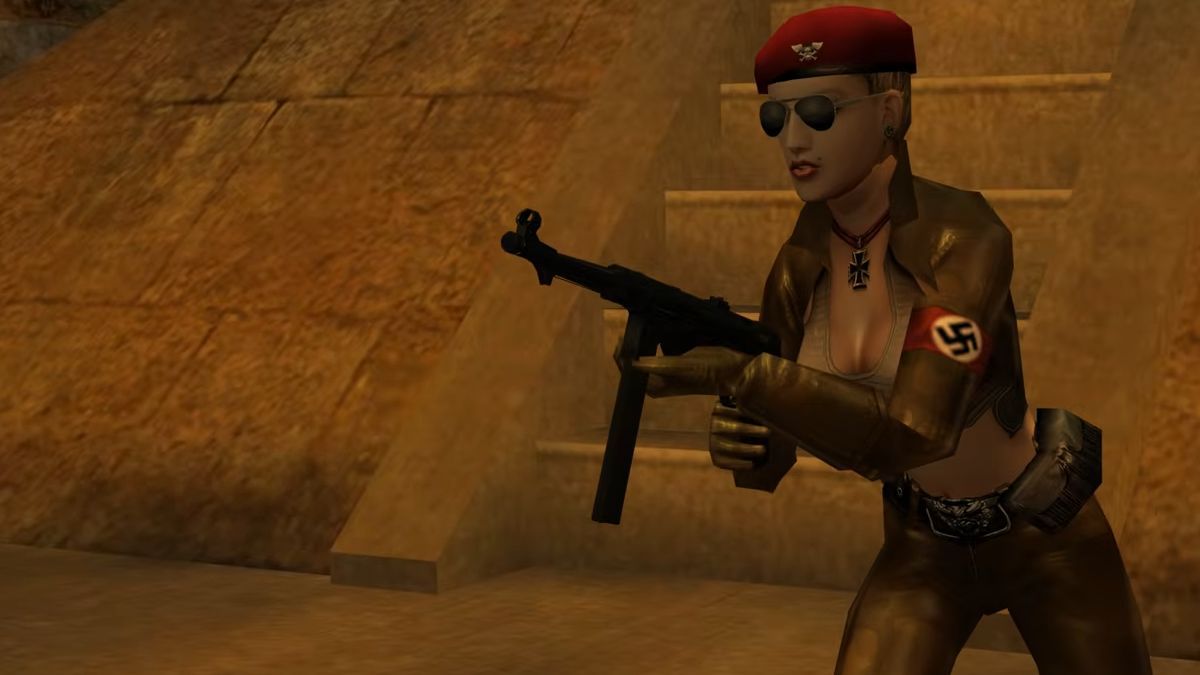
The Legacy of Return to Castle Wolfenstein and Its Modding Community
Return to Castle Wolfenstein, originally released in 2001, has maintained a dedicated following due to its innovative first-person shooter mechanics and narrative depth. As the game marks its 25th anniversary in 2026, modders have stepped in to bridge a long-standing gap by porting levels that were exclusive to console versions. This development not only revives interest in the classic title but also highlights the evolving capabilities of PC modding tools.
The mod in question involves extracting and adapting assets from the Xbox and PlayStation 2 versions of the game, which featured additional missions and environments not included in the original PC release. These levels, designed with console hardware limitations in mind, required significant technical rework to ensure compatibility with modern PC systems. Modders utilized advanced tools like id Software's Quake engine derivatives and custom scripting to overcome challenges such as resolution scaling, physics adjustments, and memory management.
Technical Breakdown of the Porting Process
The porting effort began with reverse-engineering the console binaries to extract level data, including textures, models, and scripting files. This process involved decompiling proprietary formats and converting them into formats compatible with the PC version's id Tech 3 engine. For instance, modders had to address differences in rendering pipelines, where console versions used tile-based rendering, whereas PC relied on more flexible API calls via OpenGL.
Key technical hurdles included synchronizing game physics across platforms. The console-exclusive levels incorporated unique enemy AI behaviors and environmental interactions that didn't align with the PC codebase. To resolve this, the team employed custom Lua scripts to override default engine functions, ensuring seamless integration without altering the core game files. This approach minimized the risk of instability, a common issue in modding older titles.
- Asset conversion: Textures were upscaled using AI-enhanced tools to improve visual fidelity on modern hardware.
- Scripting adaptations: Original console scripts, written in a platform-specific language, were translated to the PC's QuakeC, allowing for dynamic gameplay elements.
- Performance optimizations: Modders implemented multi-threading support to handle the additional level data, reducing load times and preventing crashes on contemporary CPUs.
This mod represents a significant achievement in community-driven preservation, as it preserves aspects of gaming history that might otherwise be lost. The implications extend beyond nostalgia; it underscores the importance of open modding ecosystems in extending game lifespans and fostering innovation.
Context and Implications for the Gaming Industry
In 2026, the gaming landscape continues to evolve with a strong emphasis on backwards compatibility and fan engagement. This mod for Return to Castle Wolfenstein aligns with broader trends, such as official remasters and emulator projects, which aim to make classic games accessible on new platforms. By making these levels available, modders are not only enhancing player experiences but also contributing to the educational value of game design history.
From a business perspective, this grassroots effort could influence how publishers approach legacy content. Companies like Bethesda, which owns the Wolfenstein franchise, might draw inspiration from such projects to release official updates or compilations. However, it also raises questions about intellectual property and the role of unofficial mods in monetized ecosystems. While this mod is distributed for free, it highlights potential revenue opportunities through community-driven expansions.
The broader context involves the rise of modding platforms like the Steam Workshop, which provide structured environments for sharing and monetizing user-generated content. This project's success could encourage more developers to support modding from the outset, ensuring that future games are built with extensibility in mind. As players revisit these classic levels, they gain insight into the evolution of FPS genres, from Wolfenstein's foundational stealth and action elements to modern iterations seen in titles like Doom Eternal.
Future Prospects and Community Impact
Looking ahead, this mod could spark a revival in the Wolfenstein series, potentially leading to increased player counts on platforms like GOG or Steam. The modding community's collaboration demonstrates the power of open-source tools in 2026, where accessibility to game engines has democratized content creation. This initiative not only enriches the gaming archive but also inspires new modders to tackle similar projects for other vintage games.
In summary, the porting of console-exclusive levels for Return to Castle Wolfenstein's 25th anniversary is a testament to the enduring passion of the gaming community. It bridges historical divides and ensures that classic content remains relevant in an era of rapid technological advancement. This effort will likely encourage further innovations in modding, keeping the spirit of exploration alive for players worldwide.