Mortal Kombat Film Producer Criticizes Review Standards
The Backstory of the Controversy
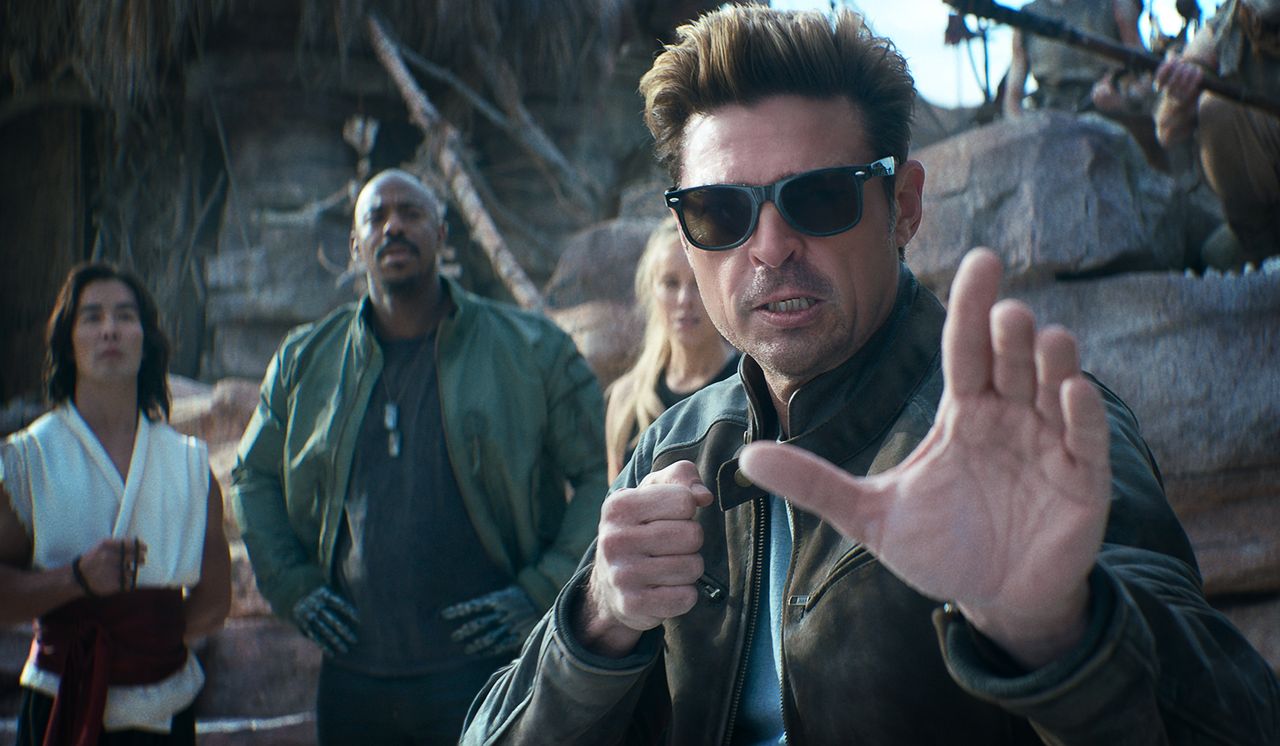
In the evolving landscape of entertainment where video games increasingly influence mainstream media, the producer of the latest Mortal Kombat film adaptation has publicly voiced dissatisfaction with how critics are approaching their reviews. According to the primary source from PC Gamer, the producer argues that the film, deeply tied to the iconic fighting game series, should not be judged purely on cinematic merits but perhaps in the context of its source material's legacy. This sentiment highlights a broader tension in 2026 between gaming origins and Hollywood adaptations, as audiences and creators grapple with expectations shaped by interactive storytelling.
The Mortal Kombat franchise, originating in the early 1990s as a groundbreaking arcade fighter known for its brutal combat and narrative depth, has long transcended gaming into other media. The 2026 film in question builds on previous adaptations, attempting to blend the visceral action of the games with cinematic flair. However, the producer's comments suggest a disconnect: reviewers are appraising the film as they would any blockbuster, focusing on aspects like plot coherence, acting, and visual effects, without adequately considering the fast-paced, combo-driven essence that defines Mortal Kombat for its core fanbase. This criticism comes at a time when cross-media projects are more common, raising questions about appropriate evaluation criteria in an era where games like Mortal Kombat inspire films, TV series, and even e-sports events.
Implications for the Gaming Industry
This incident underscores potential challenges for the gaming sector in 2026, particularly as intellectual properties (IPs) migrate across platforms. For developers and producers, ensuring that adaptations remain faithful to their roots is crucial for maintaining brand integrity and fan loyalty. The producer's annoyance could signal a need for new review paradigms that incorporate gaming-specific elements, such as character fidelity, lore accuracy, and the adrenaline-fueled mechanics that make titles like Mortal Kombat enduring hits. In a year marked by advanced virtual reality integrations and cross-platform storytelling, this debate might influence how future adaptations are marketed and received, potentially affecting revenue streams for game studios.
From a business perspective, the gaming industry's reliance on transmedia expansions means that poor reviews of film adaptations could indirectly impact original game sales or e-sports engagements. For instance, if fans perceive the film as a misrepresentation, it might erode enthusiasm for upcoming Mortal Kombat titles or related tournaments. This situation also parallels ongoing discussions in e-sports, where professional players and analysts often critique adaptations for failing to capture the competitive spirit. As the lines blur between gaming and traditional entertainment, stakeholders may push for collaborative review standards that involve game developers, ensuring that critiques are multifaceted and informed by both worlds.
Context Within the Entertainment Ecosystem
Mortal Kombat's history as a pioneer in the fighting game genre, with its signature fatalities and expansive universe, provides essential context for this controversy. Since its inception, the series has evolved through numerous sequels, each introducing refined mechanics and storylines that have captivated millions. In 2026, as technology advances enable more immersive experiences—like enhanced motion capture and AI-driven character behaviors—the expectations for adaptations have risen. The producer's remarks might reflect a broader industry trend where creators seek to protect the authenticity of their IPs amid Hollywood's commercial pressures.
Furthermore, this event could prompt discussions on consumer expectations in 2026's digital age. With streaming services and online platforms dominating entertainment, audiences are more vocal about adaptations, often using social media to debate fidelity to source material. This could lead to innovative approaches, such as hybrid review systems that combine traditional film criticism with gaming metrics, like player engagement scores or community feedback from platforms like Twitch. As the gaming world continues to intersect with film, events like this serve as a reminder of the need for balanced perspectives to foster growth and innovation.
Broader Reflections and Future Outlook
Looking ahead, this producer's frustration might catalyze changes in how media crossovers are handled, encouraging partnerships between film critics and gaming experts to develop more nuanced evaluation frameworks. In 2026, with the rise of metaverse integrations and interactive films, such adaptations could become more prevalent, making this debate timely. The Mortal Kombat saga, with its blend of violence, strategy, and narrative, exemplifies how gaming IPs can drive cultural conversations, potentially influencing policy on intellectual property rights and creative freedoms.
Ultimately, this episode highlights the intricate relationship between gaming and other entertainment forms, urging the industry to evolve thoughtfully. As fans and creators navigate these waters, the key will be maintaining the essence of what makes franchises like Mortal Kombat iconic, ensuring that future adaptations honor their digital origins while appealing to broader audiences.