Mumbai Cricket Association Launches Domestic Player Contracts
Introduction to the New Contract System
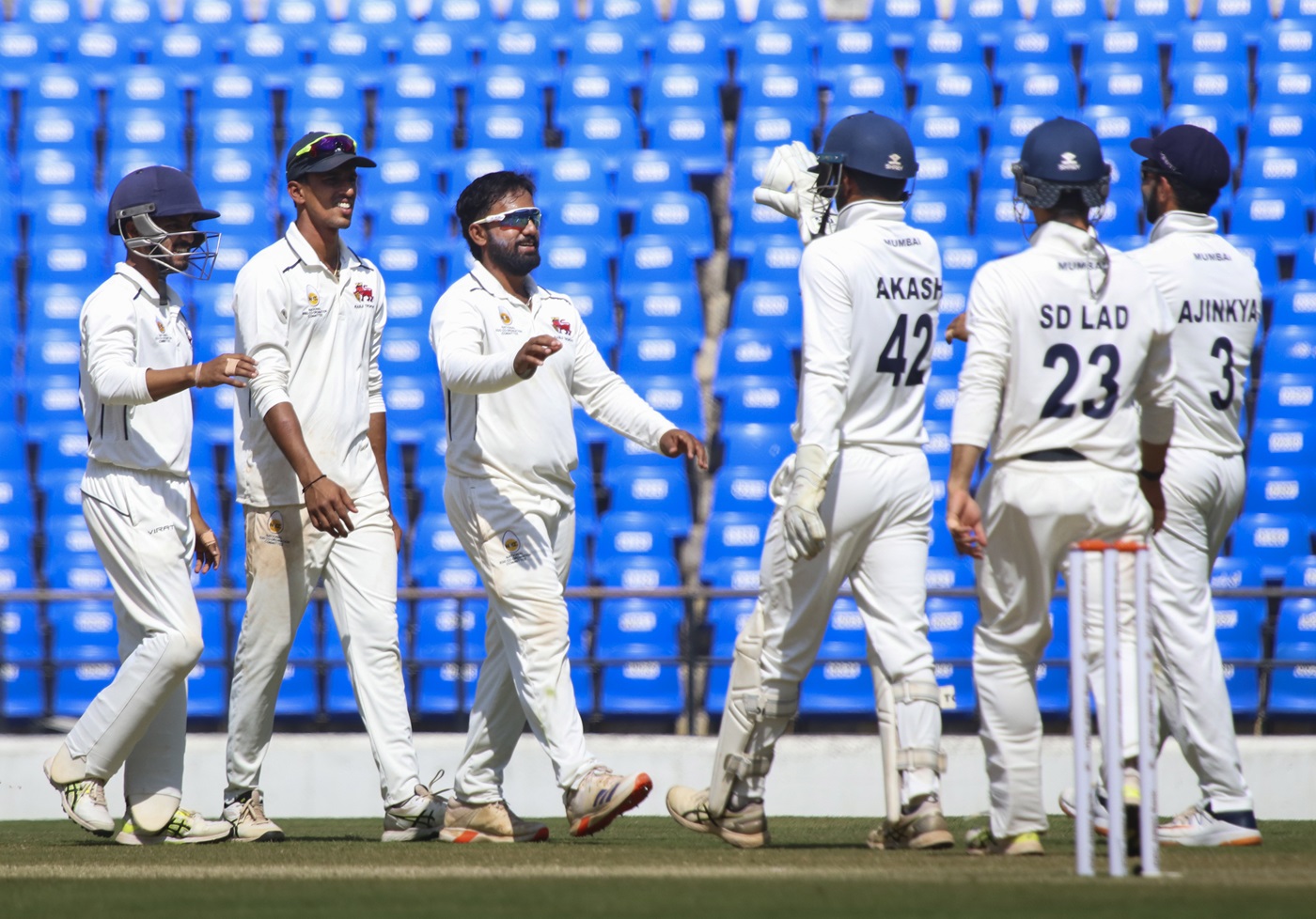
In a significant development for Indian domestic cricket, the Mumbai Cricket Association (MCA) announced on April 16, 2026, the introduction of a contract system for domestic players. This move is poised to revolutionize how cricketers in Mumbai are compensated and supported, potentially setting a precedent for other state associations. The MCA's decision underscores a growing emphasis on professionalizing the domestic circuit, which has long been the backbone of Indian cricket talent development.
According to the official announcement, the contract system is designed to provide financial stability and incentives for players participating in domestic tournaments such as the Ranji Trophy, Syed Mushtaq Ali Trophy, and other BCCI-sanctioned events. However, the MCA has not specified whether these contracts will extend to both male and female cricketers, leaving a gap in clarity that could impact gender equality in the sport. This ambiguity has sparked discussions among stakeholders about the inclusivity of the initiative.
Details of the Contract System
The core of the new system involves offering graded contracts based on a player's performance, experience, and potential. While exact details are yet to be fully disclosed, it is understood that contracts will categorize players into tiers—such as A, B, and C—mirroring the central contract model used by the BCCI for international players. For instance, top-tier players might receive annual retainers, performance bonuses, and additional perks like medical insurance and access to advanced training facilities.
Under this framework, players could earn between INR 50,000 to INR 5,00,000 annually, depending on their category, with provisions for match fees and incentives for standout performances. This is a marked improvement from the traditional per-match payment structure, which often left players financially insecure during off-seasons. The MCA's initiative also includes clauses for injury rehabilitation and career transition support, addressing long-standing concerns in domestic cricket.
One key aspect highlighted in the announcement is the emphasis on meritocracy. Selection for contracts will be based on rigorous evaluations by a panel of former cricketers and coaches, ensuring that only deserving players benefit. This could encourage higher competition levels and motivate emerging talents to perform consistently in domestic leagues.
Implications for Players and Cricket in Mumbai
The introduction of this contract system carries far-reaching implications for domestic cricketers in Mumbai. Primarily, it promises financial security, allowing players to focus on their game without the constant worry of income instability. In 2026, with the rising costs of living and the professional demands of modern cricket, this could be a game-changer for many athletes who have historically struggled to make ends meet.
For women's cricket, the lack of specification is a potential setback. If the contracts are limited to men's cricket, it might widen the gender gap in domestic opportunities, at a time when women's cricket in India is gaining momentum post the 2025 Women's World Cup. Advocates for gender equality in sports are calling on the MCA to clarify and expand the system to include female players, which could boost participation and elevate the standard of women's domestic cricket in the region.
Moreover, this development could influence player retention and migration. Mumbai, as a cricketing powerhouse, has often seen its talents lured to other states or the IPL for better opportunities. By offering structured contracts, the MCA might retain top performers, fostering a stronger domestic team and enhancing Mumbai's dominance in national tournaments. This could also trickle down to youth development programs, encouraging more youngsters to pursue cricket seriously.
Broader Context and Future Prospects
To understand the significance of this announcement, it's essential to contextualize it within the evolving landscape of Indian cricket in 2026. The BCCI has been pushing for reforms in domestic cricket since the early 2020s, including better infrastructure and player welfare initiatives. Mumbai's move aligns with these efforts, especially following the successful implementation of similar systems in states like Karnataka and Tamil Nadu.
Historically, domestic cricket has been the nursery for international stars, with Mumbai producing legends like Sachin Tendulkar and Rohit Sharma. In 2026, amid a post-pandemic recovery and the globalization of cricket through events like the IPL and T20 World Cups, such innovations are crucial. They not only safeguard player interests but also ensure the sustainability of the sport at the grassroots level.
Looking ahead, the MCA's contract system could serve as a model for other associations, potentially leading to a standardized national framework. However, challenges remain, such as funding the contracts and ensuring transparency in selection processes. If executed effectively, this could elevate domestic cricket's profile, making it more attractive to sponsors and broadcasters.
In conclusion, the MCA's introduction of domestic player contracts marks a pivotal step towards modernizing cricket in Mumbai. As the details unfold, the cricketing community eagerly awaits further announcements, particularly regarding inclusivity for women and the system's long-term impact. This initiative, set against the backdrop of 2026's dynamic sports environment, reaffirms cricket's enduring spirit in India.
- Key benefits include financial stability and performance incentives.
- Potential drawbacks involve unclear gender applicability.
- Future implications could reshape domestic cricket nationwide.
This article is based on factual reporting from:
www.espncricinfo.com — Original Report ↗